Turning that into a homework routine
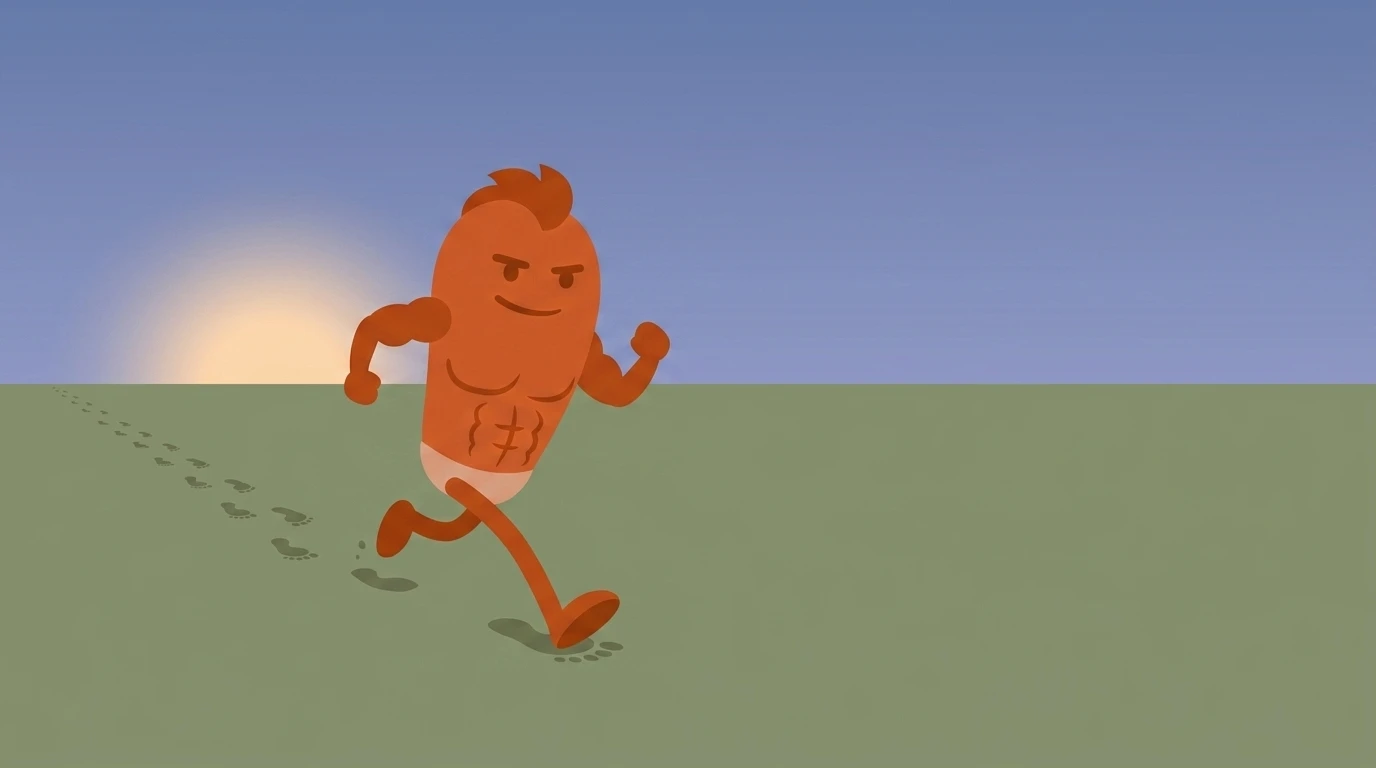
Apply the same structure to tonight's assignment. Pick the exact time and the exact location before you need willpower to decide it: "After dinner, at my desk, I open the math homework first." Naming the obstacle helps too. If the real barrier is that you don't know where to start, decide in advance what you'll do about that specific obstacle: "If I get stuck on a problem, then I skip it and come back after finishing the rest." The plan removes the moment of choice, which is the moment procrastination wins.
Why math homework triggers the most avoidance
Math homework produces more avoidance than reading or writing assignments for a specific reason: every problem is a fresh test of whether you can do it, with an answer that is either right or wrong. There is no partial credit for effort the way there can be on an essay. That structure directly targets the self-efficacy pathway Fan and colleagues measured. If you already doubt you can solve it, each problem becomes a small, repeated confirmation of that doubt, and avoiding the whole set avoids all of them at once.
Break the doubt by starting with the problem you're most confident about, not the first one on the page. An early win changes the prediction your brain is making about the rest of the set before you've spent any real effort.
Doing homework at night after a full day
By the time homework happens, you've usually already spent a full day of attention, at school or in classes, and your capacity to push through something unpleasant is lower than it was that morning. This is not a discipline failure. It's the same reason a specific plan matters more at night than any other time: you have less spare willpower to overcome a decision you haven't already made.
Set the time before the day starts, not after it ends. Deciding at 9 p.m. whether to start is deciding at the exact moment you have the least capacity to choose correctly.
Homework motivation in college versus high school
College homework removes several supports that structured high school assignments: no one checks it daily, deadlines are often weeks out instead of the next class, and a single assignment can be worth more of your grade with less feedback along the way. The task-initiation problem gets worse, not better, because the environment provides even fewer natural cues to start.
The Duckworth study, though conducted with fifth graders, points at the mechanism that generalizes to college: 77 students were randomly assigned to either a mental-contrasting-plus-plan exercise, naming a goal, the obstacle in the way, and exactly when and where they'd act on it, or a control condition that only had them think positively about the same goal. The group with the actual plan improved their grades, attendance, and conduct over the following months. Positive thinking alone did not move any of those outcomes. Wanting to do well is not the missing ingredient. A plan tied to a specific obstacle is.
When you're burned out and have nothing left
Some stretches, especially late in a term or after a long break, come with a specific kind of exhaustion where even a well-built plan feels like too much. On those nights, lower the target instead of skipping entirely. Open the assignment. Do the one problem or paragraph you already decided in advance you'd do first. That is a complete session, and it keeps the routine intact for tomorrow, when your capacity will be higher again.
Start with tonight's assignment
You don't need to want to do your homework. You need a decision about when and where you'll start it, made before the moment you'd otherwise talk yourself out of it. Pick the assignment sitting in your bag right now, name the time, name the place, and name the first small piece you'll do. That's the whole plan, and it's the version research keeps finding actually gets people moving.