Body Doubling for Studying: Why Working Near Someone Helps
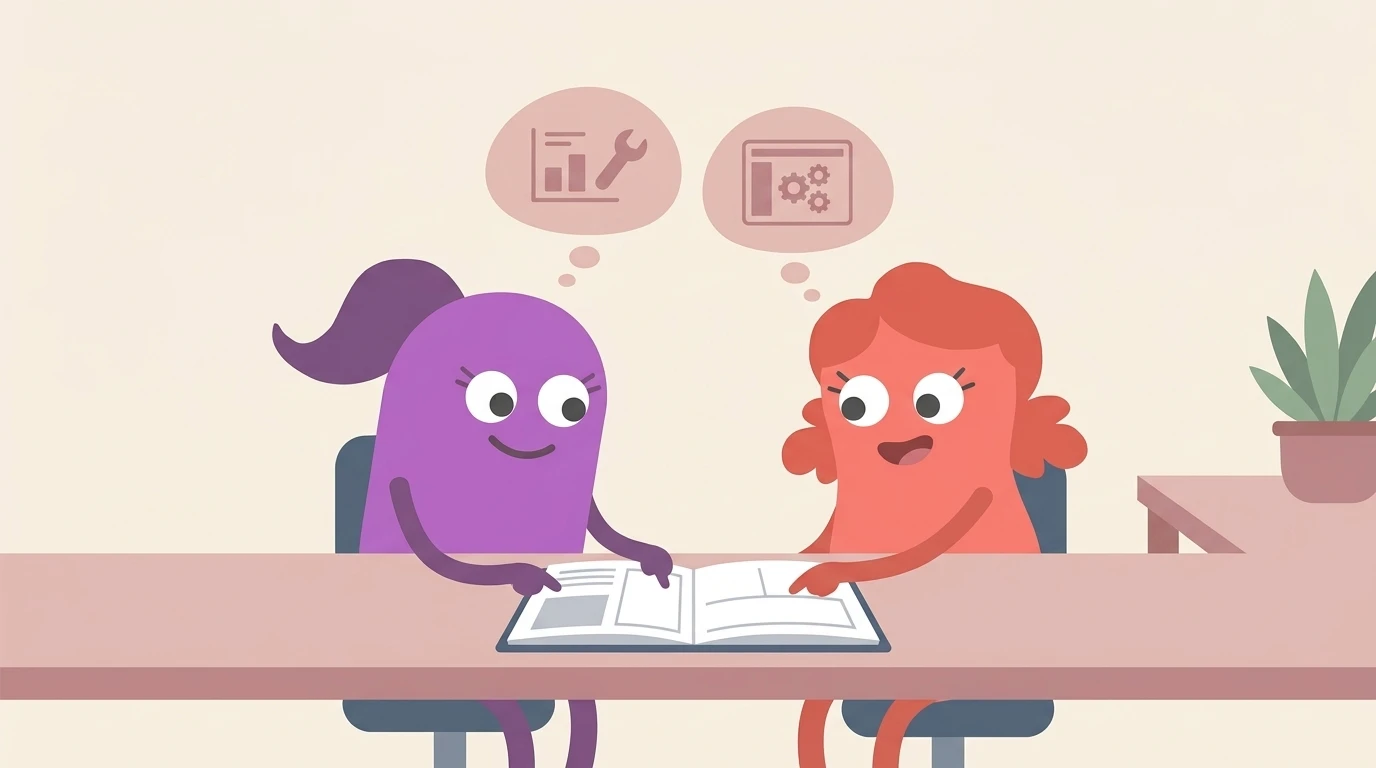
Studying alongside another person changes the conditions of a study session rather than requiring more willpower. Here is how to run one so it holds through exam season and beyond.
14 posts tagged with "body doubling"
Next time you search, our newest guide shows up.

Studying alongside another person changes the conditions of a study session rather than requiring more willpower. Here is how to run one so it holds through exam season and beyond.

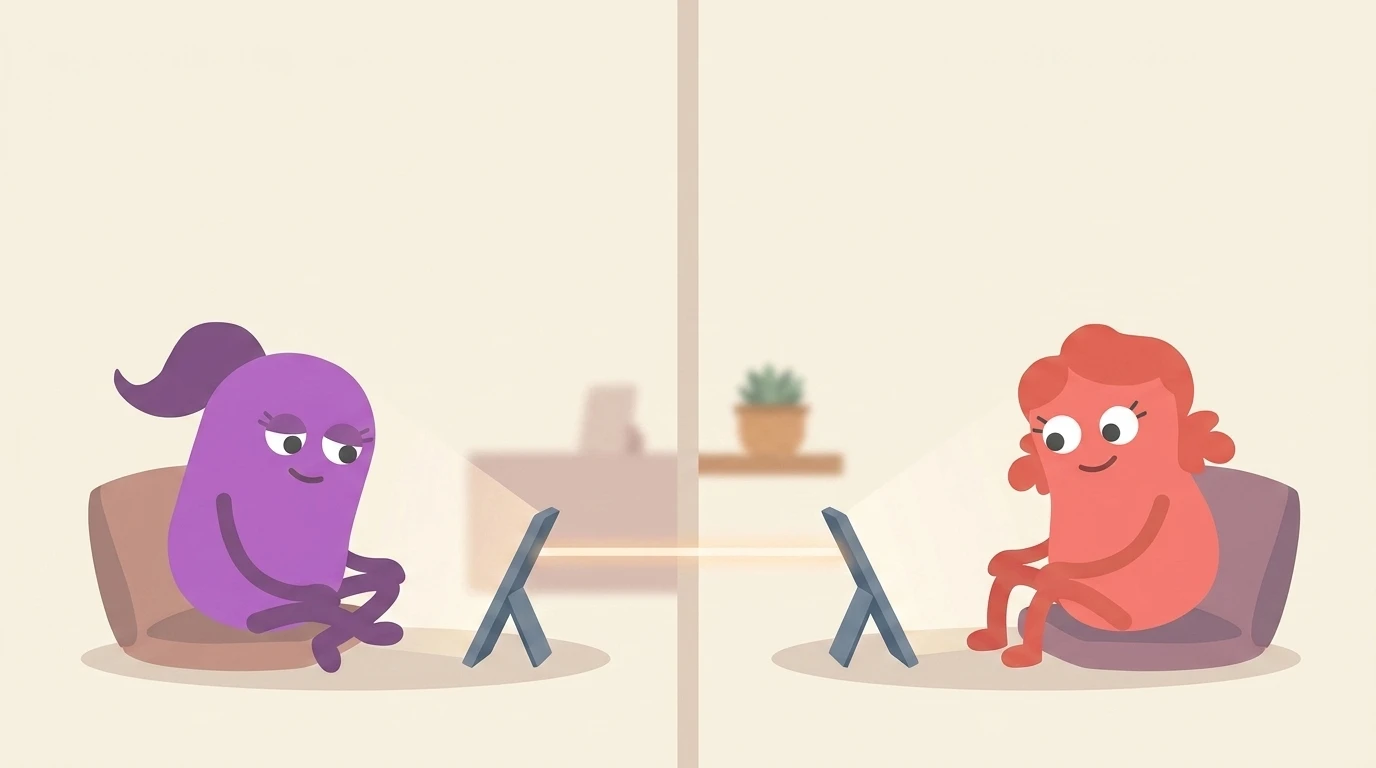
Virtual body doubling means working alongside another person over video or in a live co-working room instead of in the same room. Here's how it differs from in-person, the formats worth trying, and how to make it actually work.

Body doubling leverages social presence to externalize executive function, helping adults with ADHD initiate tasks, sustain attention, and regulate emotions through passive accountability.

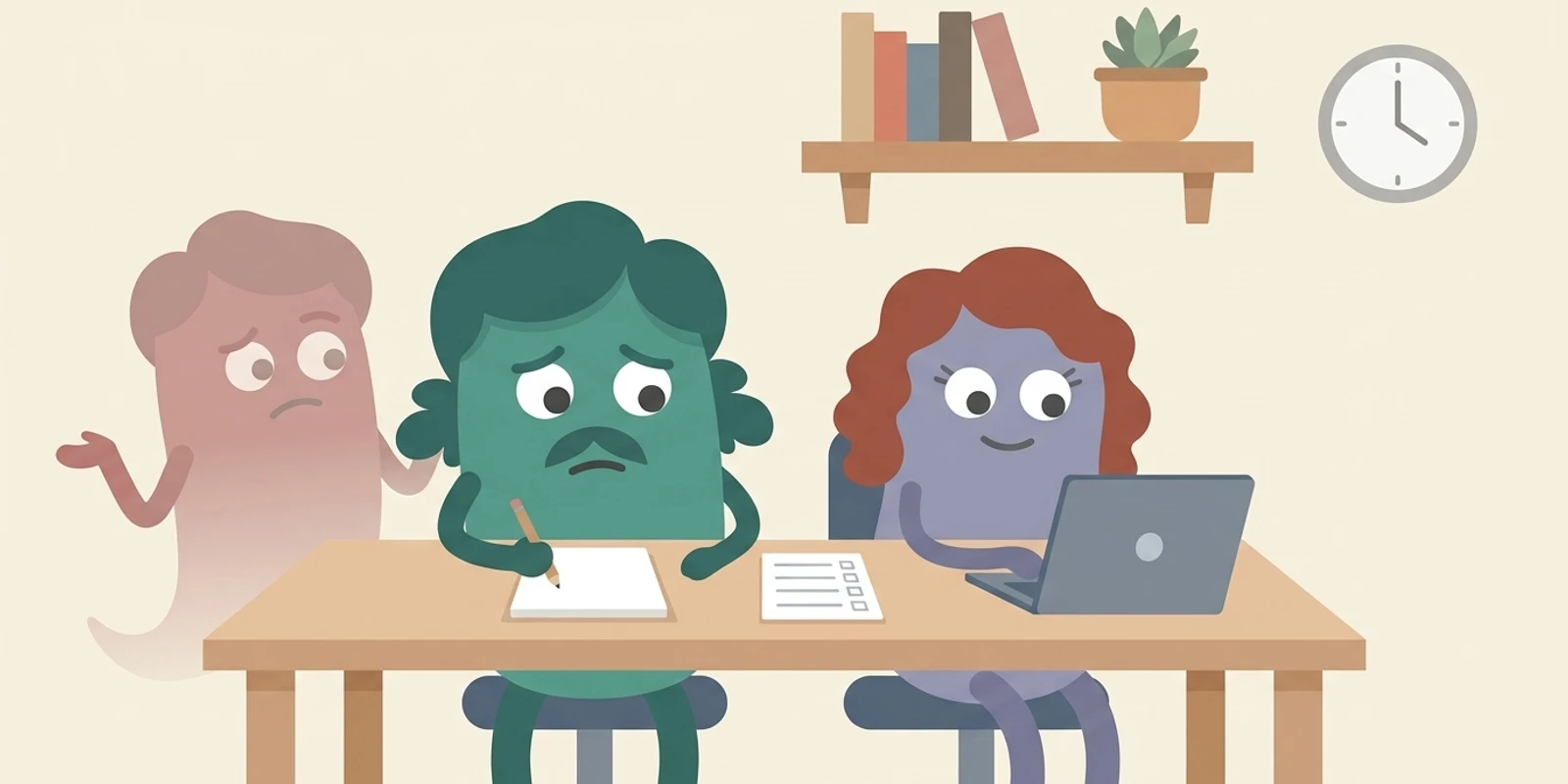
I ditched my fifth accountability buddy after yet another ghosting session. Turns out peer pressure rarely works for ADHD brains; structured self-monitoring does.


Body doubling — working in the presence of another person — is one of the most consistently effective strategies for ADHD task initiation. The best apps for body doubling in 2026 range from live co-working platforms to accountability-based structured programs. Here's what the evidence says and how each option compares.

Remote work removes the office structure that many people with ADHD unknowingly rely on — and replaces it with endless distraction, no social regulation, and zero external accountability. Here's what actually helps.

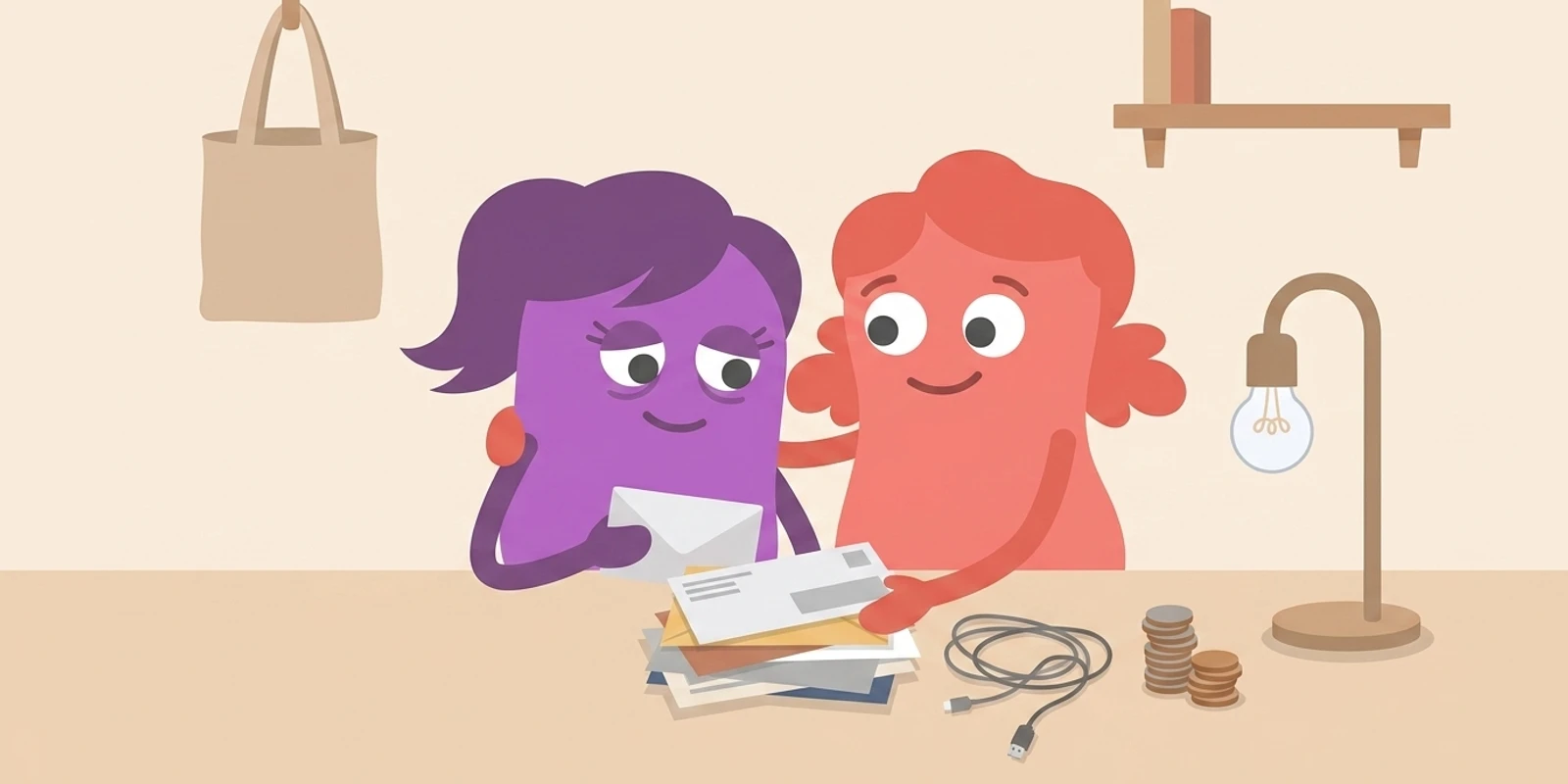
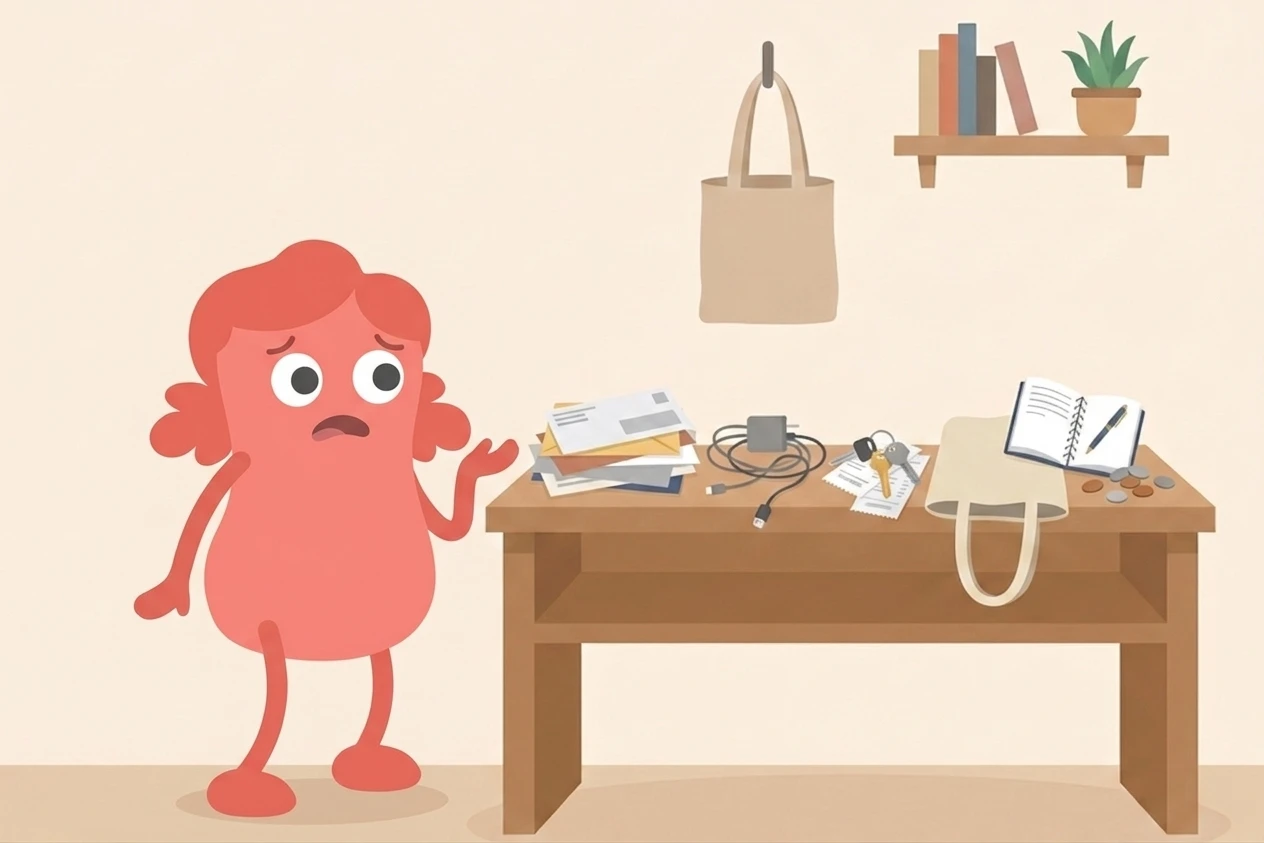
ADHD clutter — the infamous 'doom pile' — isn't laziness. It's a neurological failure in object permanence and task initiation. Here's why clutter accumulates when you have ADHD and what actually works to clear it.

ADHD morning routines fail because they're designed for neurotypical brains. The ADHD brain needs low-friction systems, external cues, and dopamine scaffolding — not willpower and a 5 AM alarm. Here's what the research actually supports.

ADHD procrastination isn't a willpower problem — it's a neurological one. The ADHD brain struggles to initiate tasks without sufficient dopamine, turning simple to-dos into immovable walls. Here's why it happens and what actually works.

ADHD task paralysis is the specific inability to initiate a task despite wanting to do it — not procrastination, not laziness. It's a neurological failure in the brain's task-switching and activation systems, and there are evidence-based strategies that actually help.

ADHD study habits require systems built for how the ADHD brain actually works — not willpower. Here's what the research says about time-blocking, body doubling, and structured study sessions that produce real results.

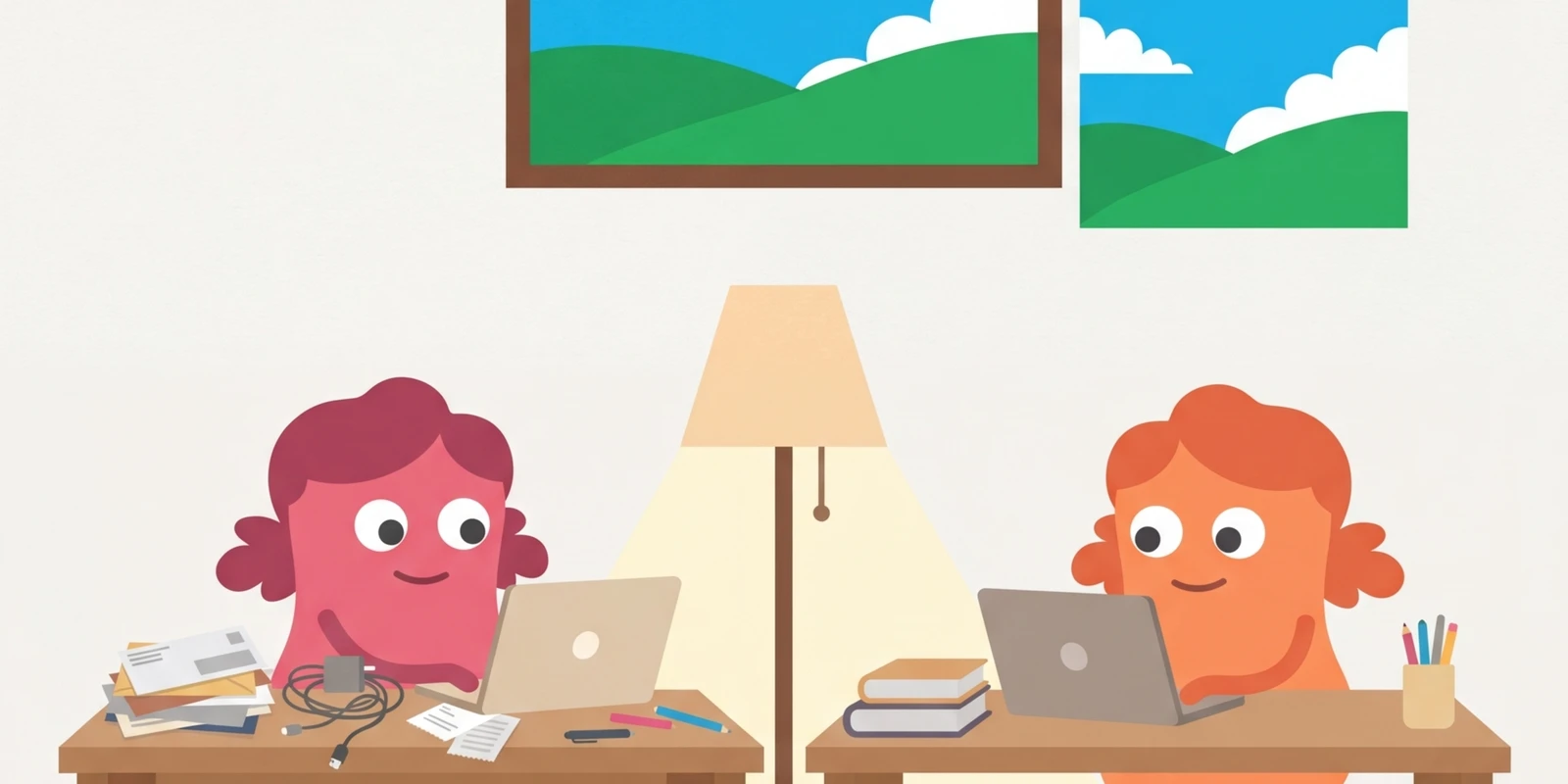
Most adults with ADHD can focus at a coffee shop but struggle at home. Body doubling explains why — and how to replicate that effect anywhere.

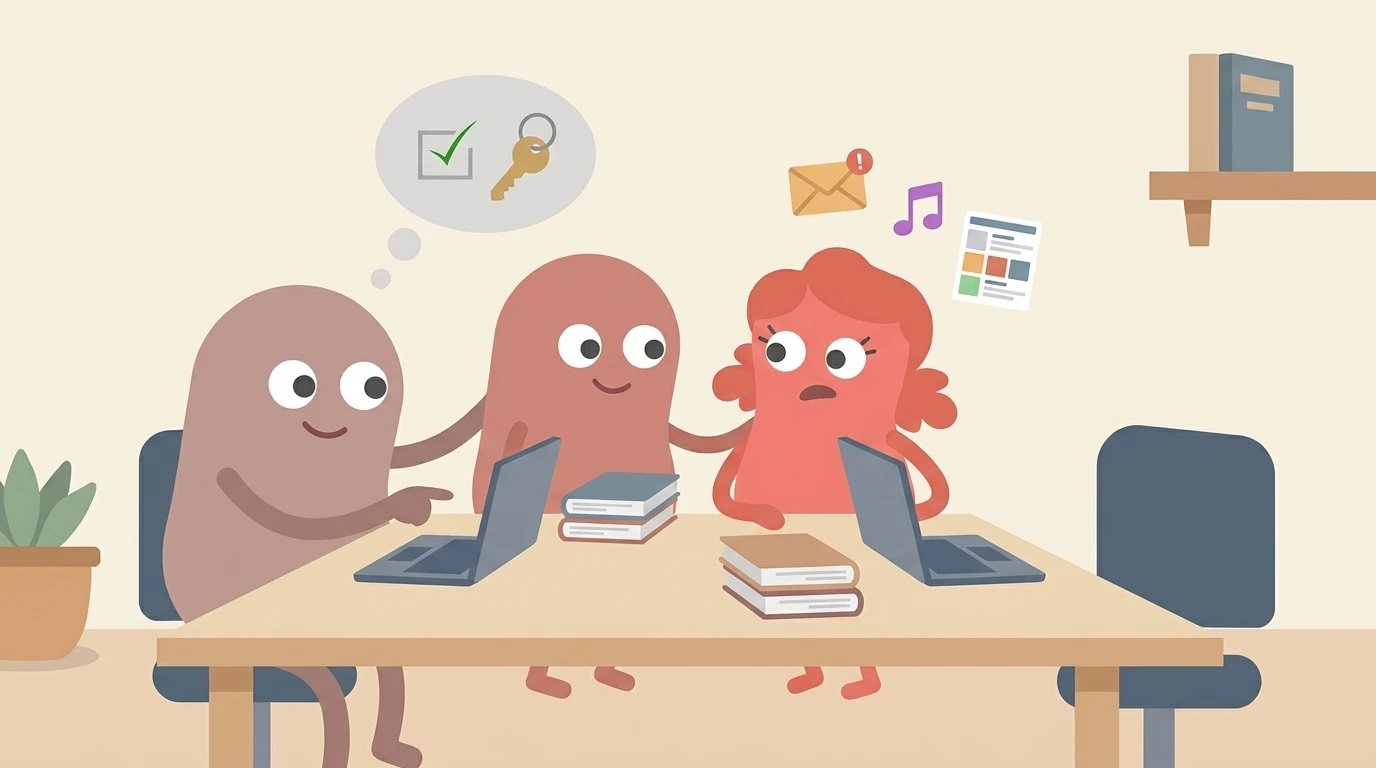
Body doubling is the practice of working alongside another person to activate focus — and for ADHD brains, it's one of the highest-leverage productivity strategies available. Here's the science, how to do it, and where to find a partner.