
Online or In Person Recovery Programs, Which Works
A direct comparison of virtual and in-person recovery groups found that format didn't predict who stayed sober. Attendance did. Here's what that means for choosing a program.
Dana KimRead →

27 posts in this category
Next time you search, our newest guide shows up.
A direct comparison of virtual and in-person recovery groups found that format didn't predict who stayed sober. Attendance did. Here's what that means for choosing a program.

Checking up on someone in recovery feels protective, but the research points the other way: connection lowers risk, surveillance pushes people toward hiding. Here's what to do instead.

Not all support is the same kind of support. Here's what the research says about which groups actually reduce loneliness, and why doing something together beats talking about it.

What a depression support group actually does, what it doesn't, and how to find one that doesn't require you to leave your couch.

A practical guide to finding a grief support group that fits your loss, including what actually happens in a session and how to know when it's time to try another one.

Online support groups reliably get people access and keep them showing up, but the research on symptom change is mixed. Here's what the evidence actually shows.

Therapy and peer support aren't competing options. One brings clinical training, the other brings people who stay in your corner. Here's how to tell which you need.

A practical walkthrough for picking a support group that fits, testing it honestly in the first three sessions, and knowing when to try something else instead.
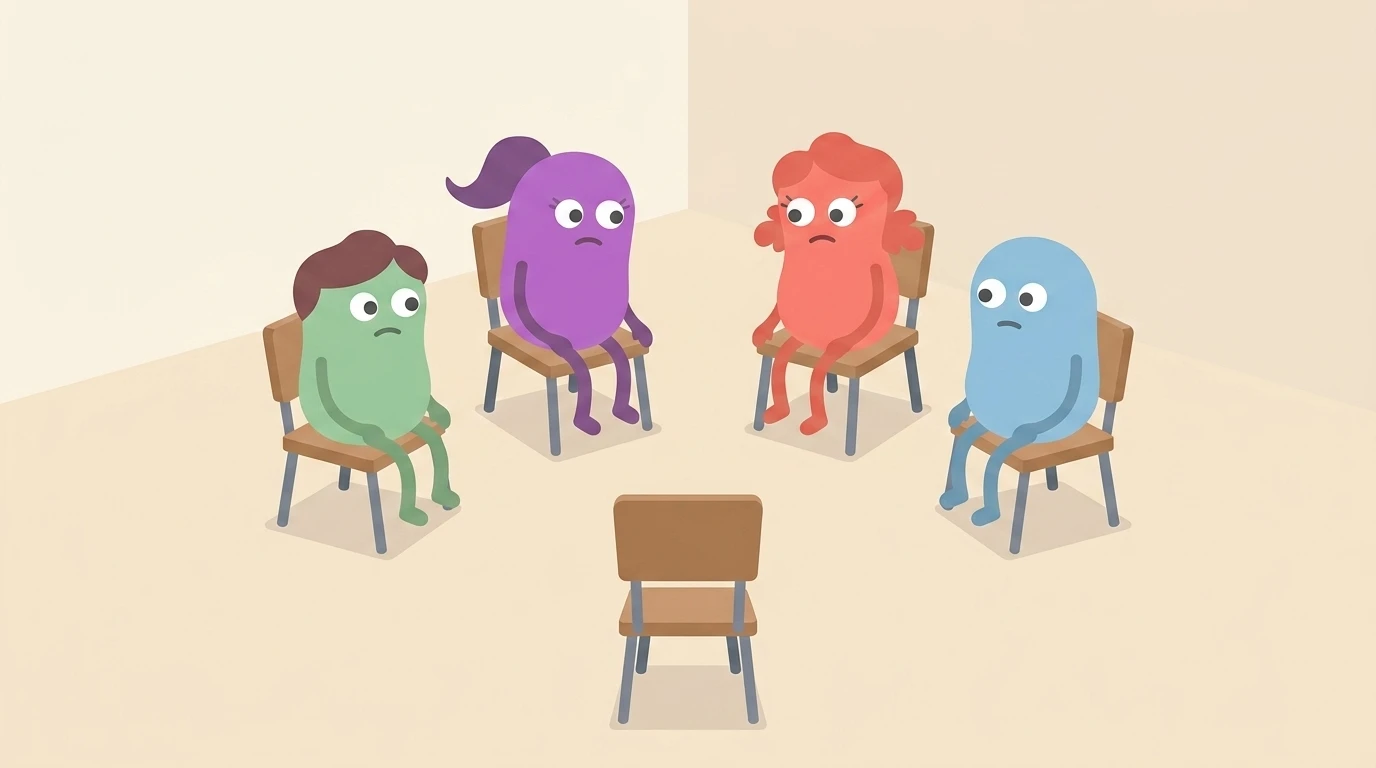
You don't have to talk. You don't have to have a diagnosis figured out. Here's what a peer support group actually is, and what really happens in the room.

Studying alongside another person changes the conditions of a study session rather than requiring more willpower. Here is how to run one so it holds through exam season and beyond.

Virtual body doubling means working alongside another person over video or in a live co-working room instead of in the same room. Here's how it differs from in-person, the formats worth trying, and how to make it actually work.

I ditched my fifth accountability buddy after yet another ghosting session. Turns out peer pressure rarely works for ADHD brains; structured self-monitoring does.
Two-thirds of people in U.S. jails meet criteria for a substance use disorder, yet fewer than 20 percent receive any treatment. Digital peer recovery programs are changing that math, and the funding landscape has never been more accessible for correctional health teams willing to move.
Veterans face addiction and mental health challenges at significantly higher rates than the general population, yet the systems built to help them were not designed for scale. Peer recovery support, combined with structured relapse prevention frameworks, offers a practical way to extend reach without overstretching clinical resources.

Digital peer support platforms promise to democratize addiction recovery, but a critical gap between clinical evidence and real-world implementation threatens to leave vulnerable populations behind. Here's what behavioral health policymakers and grant reviewers need to know about scaling these interventions effectively.

Peer recovery support is one of the most studied interventions in addiction medicine. Decades of research point to a consistent finding: people in recovery do better when they have structured peer connection. Here is what that evidence actually shows.

Accountability partner apps combine peer support with structured tracking to address the isolation and low self-efficacy that derail recovery and habit-building efforts.

Body doubling means working alongside another person, in person or virtually, to boost focus through passive accountability. A quick definition, plus how it helps.

Mental health first aid equips individuals with practical skills to recognize, respond to, and support someone experiencing a mental health crisis or developing a mental health problem. This evidence-based framework reduces stigma, improves early intervention, and builds community resilience through structured training protocols.

Body doubling — working in the presence of another person — is one of the most consistently effective strategies for ADHD task initiation. The best apps for body doubling in 2026 range from live co-working platforms to accountability-based structured programs. Here's what the evidence says and how each option compares.

Online support groups for porn recovery range from moderated Reddit communities to structured programs with trained facilitators. The most effective aren't just places to vent — they provide consistent accountability, shared progress tracking, and the social structure that research shows is essential for lasting behavior change.
Faith-based porn recovery combines spiritual accountability, community support, and evidence-based behavioral change strategies. For Christians, quitting porn isn't just a habit change — it's a spiritual, relational, and neurological challenge that requires all three.
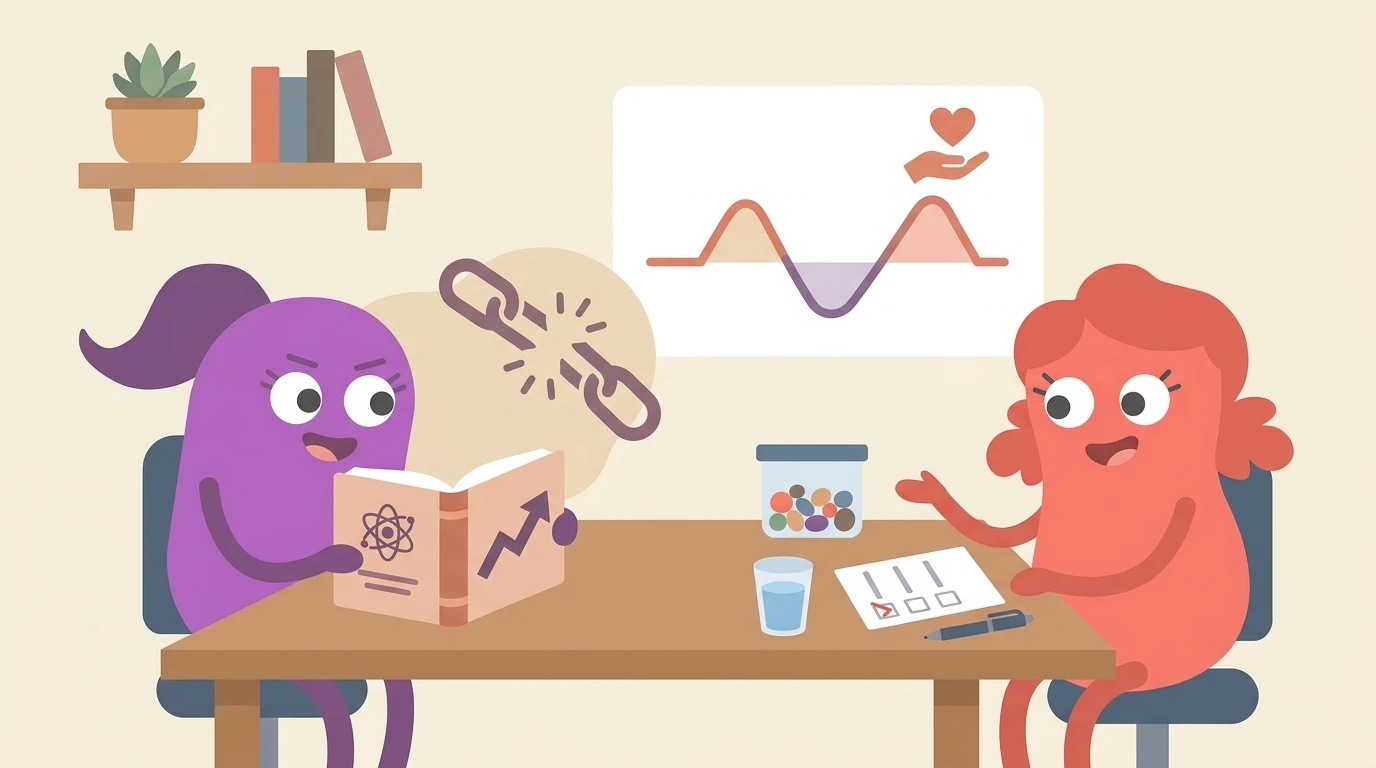
Atomic Habits is a great system for solo behavior change — but it's missing three things that science says matter most: accountability, community, and external structure. Here's why the book fails for many people, and what to do instead.

ADHD affects relationships in specific, predictable ways — not because the person with ADHD doesn't care, but because of how the ADHD brain processes attention, emotion, and time. Understanding these patterns changes everything.

Accountability partners increase addiction recovery success rates by up to 95% according to research. Structured social support — not willpower alone — is what separates sustained recovery from repeated relapse cycles.

An accountability partner for porn addiction is the single most evidence-backed social intervention for recovery — more effective than willpower or apps alone. Here's what the research says and how to find one that actually works.

An accountability partner is someone who helps you follow through on goals by creating mutual commitment and consistent check-ins. Research shows accountability increases goal completion rates by up to 65%. Here's how to find the right one — and what makes them effective.