
Online or In Person Recovery Programs, Which Works
A direct comparison of virtual and in-person recovery groups found that format didn't predict who stayed sober. Attendance did. Here's what that means for choosing a program.
Dana KimRead →

10 posts in this category
Next time you search, our newest guide shows up.
A direct comparison of virtual and in-person recovery groups found that format didn't predict who stayed sober. Attendance did. Here's what that means for choosing a program.
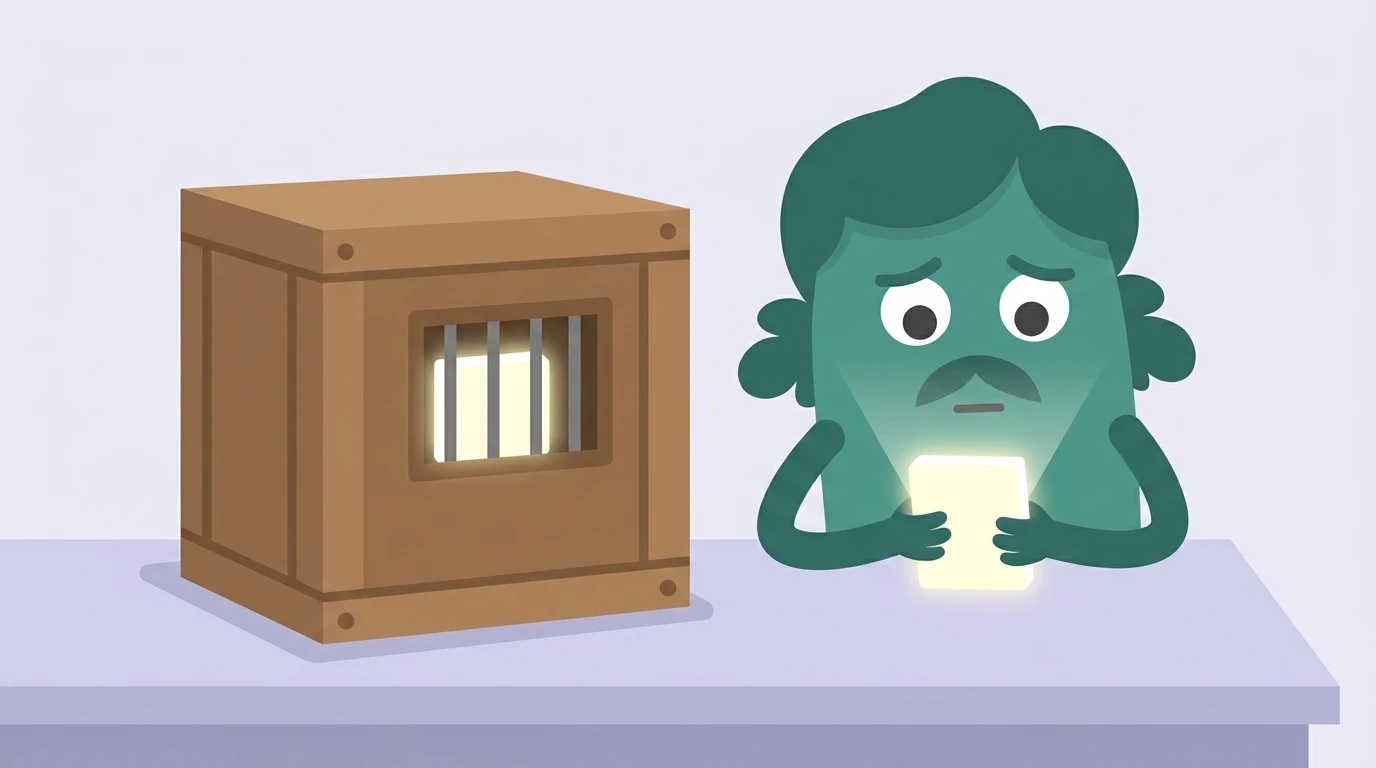
A 2026 meta-analysis of 125 treatment studies shows which interventions for problematic phone and social media use actually work, and which ones you've probably already tried.

A systematic review of ADHD apps found moderate quality and weak engagement features. The apps aren't the problem — what's missing is the part that keeps you coming back.

Online support groups reliably get people access and keep them showing up, but the research on symptom change is mixed. Here's what the evidence actually shows.

Virtual body doubling means working alongside another person over video or in a live co-working room instead of in the same room. Here's how it differs from in-person, the formats worth trying, and how to make it actually work.

Everyone says AI will save the ADHD learner. The reality is more complicated. Here's a contrarian look at why AI tools can deepen the very problems they promise to solve, and what structured study systems actually work in 2026.
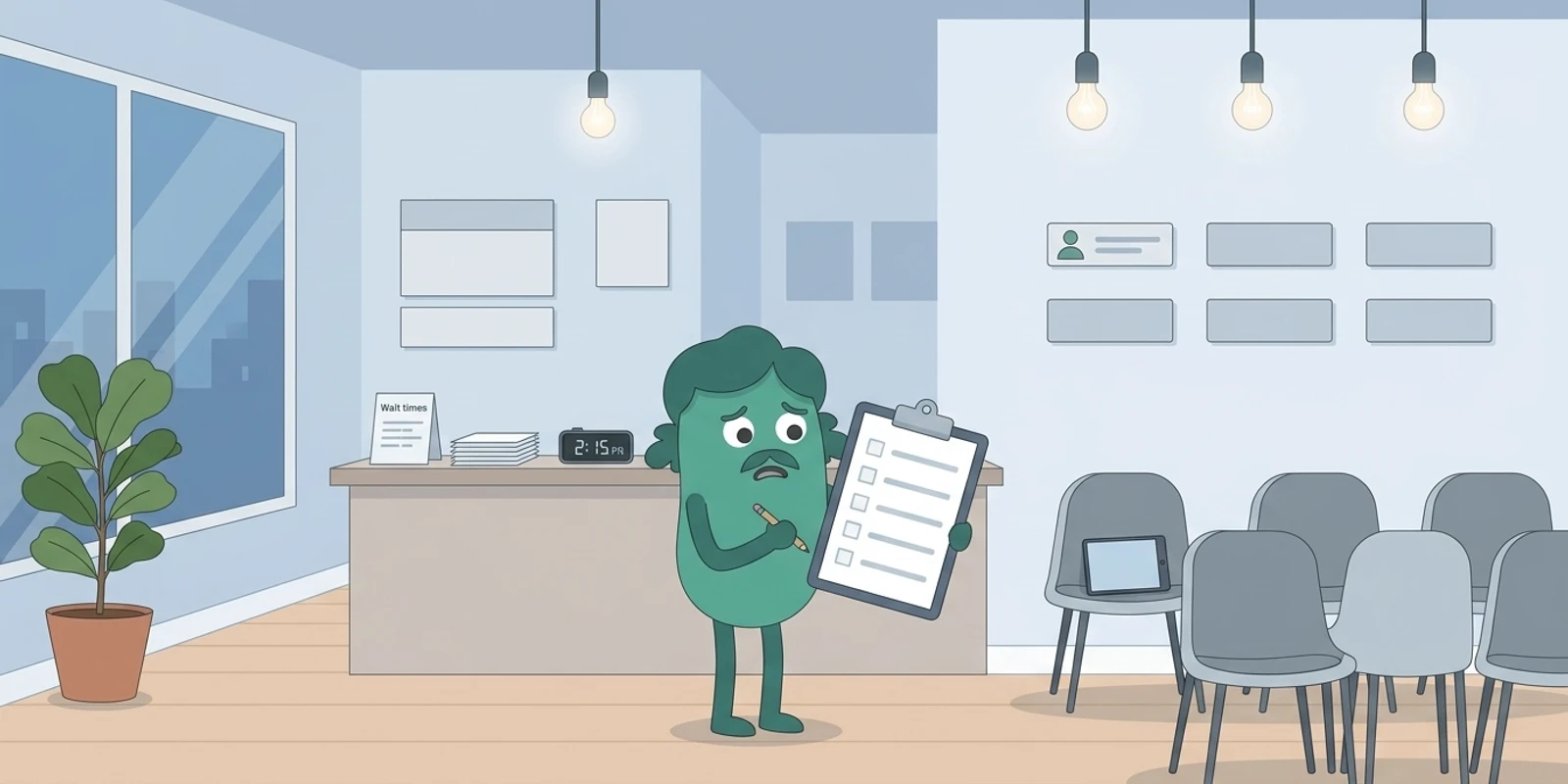
Two-thirds of people in U.S. jails meet criteria for a substance use disorder, yet fewer than 20 percent receive any treatment. Digital peer recovery programs are changing that math, and the funding landscape has never been more accessible for correctional health teams willing to move.

Digital peer support platforms promise to democratize addiction recovery, but a critical gap between clinical evidence and real-world implementation threatens to leave vulnerable populations behind. Here's what behavioral health policymakers and grant reviewers need to know about scaling these interventions effectively.
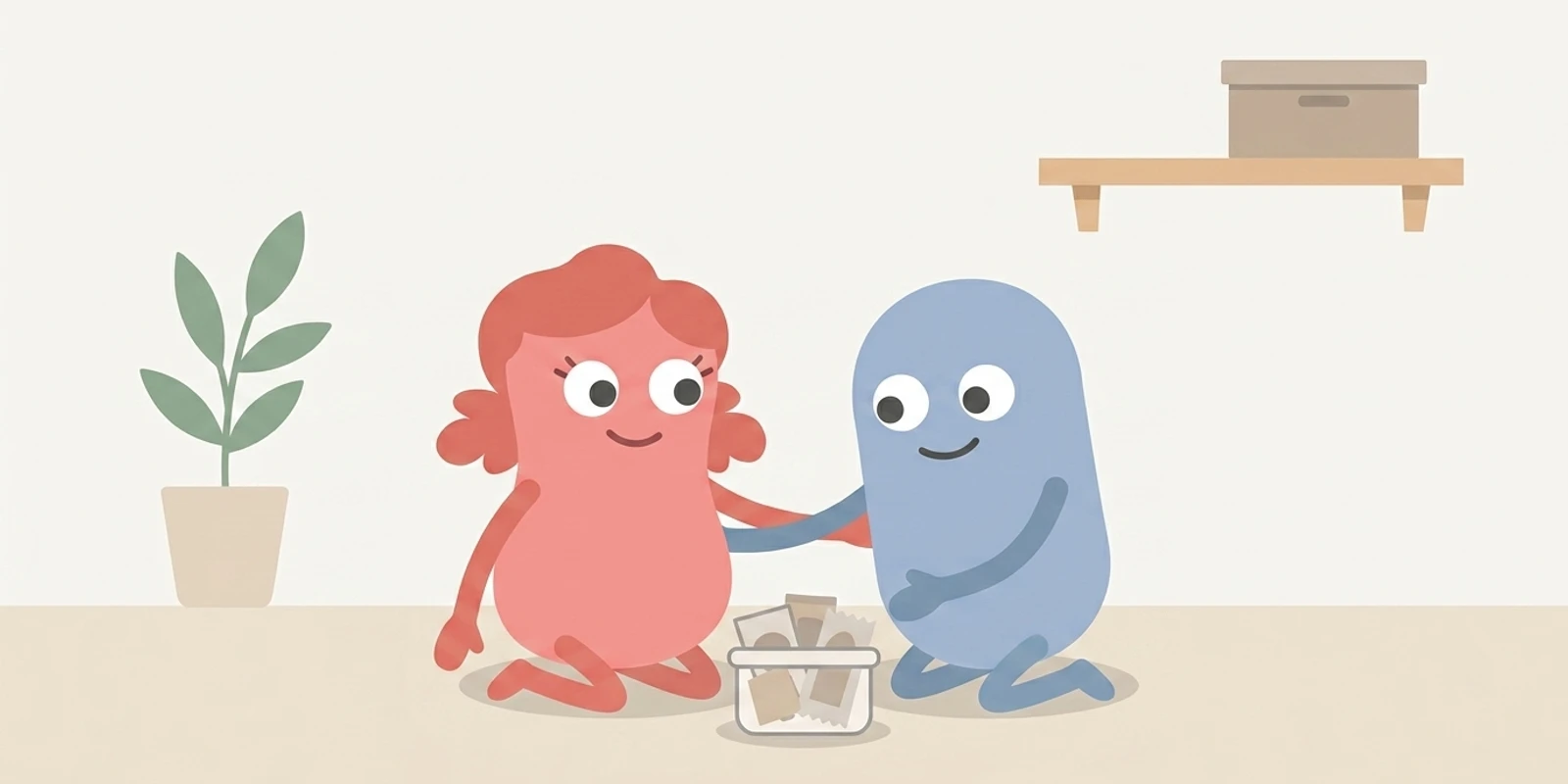
Accountability partner apps combine peer support with structured tracking to address the isolation and low self-efficacy that derail recovery and habit-building efforts.

Body doubling — working in the presence of another person — is one of the most consistently effective strategies for ADHD task initiation. The best apps for body doubling in 2026 range from live co-working platforms to accountability-based structured programs. Here's what the evidence says and how each option compares.