GetMotivated.ai Logo
How It WorksBlogLog in
  1. Home
  2. /
  3. Blog
  4. /
  5. Accountability Partner Apps: Evidence-Based Tools for Recovery and Habit Change
July 7, 20267 min read

Accountability Partner Apps: Evidence-Based Tools for Recovery and Habit Change

Accountability partner apps combine peer support with structured tracking to address the isolation and low self-efficacy that derail recovery and habit-building efforts.

Dana Kim

Last reviewed: July 2026

Accountability Partner Apps: Evidence-Based Tools for Recovery and Habit Change

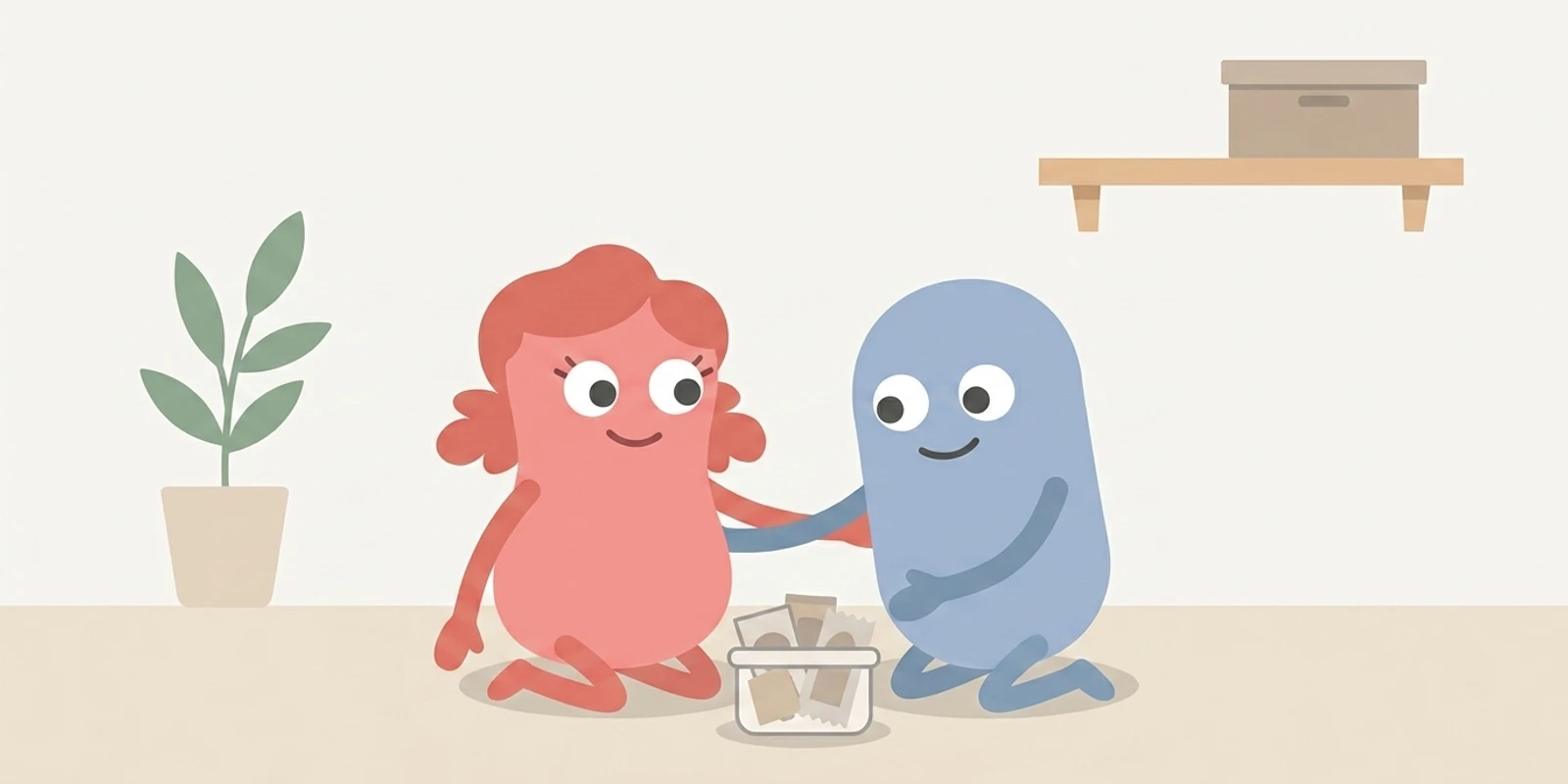
Accountability partner apps provide structured social support and behavioral tracking to help individuals sustain recovery efforts and build lasting habits. By pairing users with peers who share similar goals, these platforms address the isolation and low self-efficacy that frequently derail behavior change attempts.

Research consistently shows that social support is one of the strongest predictors of successful recovery and habit formation. When individuals feel connected to others who understand their struggles, they're more likely to persist through setbacks and maintain long-term change.

Why Traditional Willpower-Only Approaches Fail

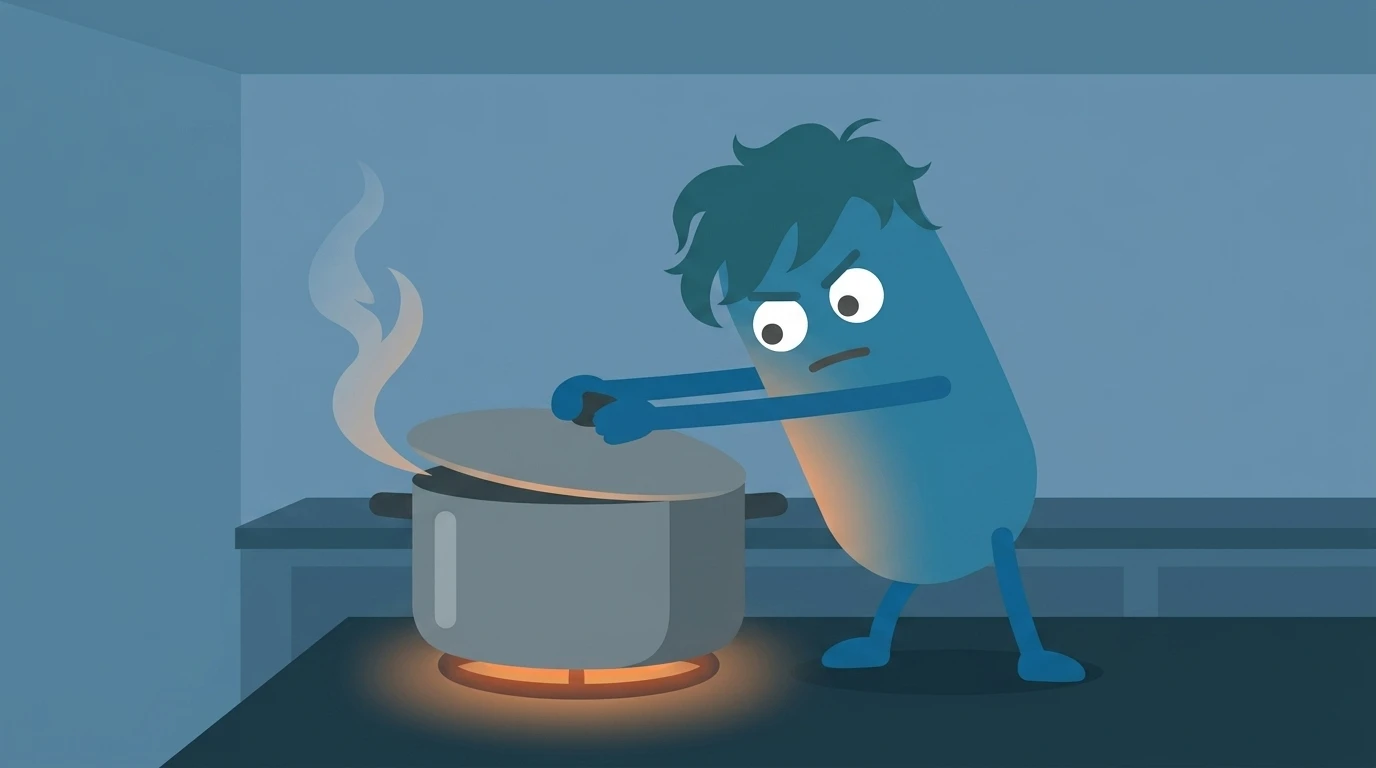
Most people attempting recovery or habit change rely exclusively on personal willpower. This approach ignores a fundamental reality: addiction and compulsive behaviors create brain changes that make self-control exceptionally difficult without external support.

Dopamine dysregulation—common in behavioral addictions like pornography use, gambling, and compulsive phone use—reduces the brain's ability to derive pleasure from everyday activities. This neurobiological shift means that willpower alone is fighting against altered reward circuitry.

Accountability partner apps provide the external scaffolding that compensates for these executive function deficits. By creating regular check-ins, progress tracking, and peer support, they supply the structure that willpower cannot.

How Accountability Apps Support Recovery

Social Support as a Protective Factor

Isolation is a primary risk factor for relapse across all forms of addiction. Traditional 12-step programs like Sex Addicts Anonymous have long recognized this, building recovery around fellowship and shared experience.

Digital accountability platforms extend this principle by making peer support accessible 24/7. When a craving hits at 2 AM, users can message their accountability partner rather than acting out. This immediate access to support interrupts the relapse chain before it progresses to physical relapse.

Structured Relapse Prevention

The most effective accountability apps integrate evidence-based relapse prevention strategies. This includes:

  • High-risk situation mapping: Identifying triggers and environmental cues that precede relapse
  • Coping skill development: Teaching specific techniques like urge surfing and cognitive restructuring
  • Behavioral chain analysis: Breaking down the sequence of events leading to unwanted behavior

Mindfulness-Based Relapse Prevention (MBRP) research demonstrates that combining mindfulness practices with accountability check-ins significantly reduces relapse rates compared to either approach alone.

Countering Shame with Self-Compassion

One of the most damaging aspects of addiction and compulsive behavior is the shame cycle. People fail, feel ashamed, and then use the addictive behavior to escape that shame—creating a self-perpetuating loop.

Accountability apps that incorporate self-compassion practices help break this cycle. Rather than treating relapse as moral failure, they frame it as data: what triggered the slip? What coping skills could work better next time? This approach reduces the emotional flooding that drives continued use.

Research on self-compassion in ADHD populations—who share executive function challenges with those in recovery—shows that treating oneself with kindness improves problem-solving and persistence far more than harsh self-criticism.

What Makes an Accountability App Effective

Smart Matching Algorithms

Not all accountability partnerships are equally effective. The best apps match users based on:

  • Recovery stage: Someone in early recovery needs different support than someone maintaining long-term sobriety
  • Specific challenges: Pornography recovery requires different conversations than phone addiction
  • Communication style: Some people need daily check-ins; others prefer weekly deep dives

GetMotivated.ai's buddy matching feature addresses this by pairing users with accountability partners who share similar goals and recovery timelines, while also considering personality compatibility and communication preferences.

Privacy and Trust Architecture

Effective accountability requires vulnerability, which demands robust privacy protections. Users need confidence that their struggles won't become public or be used against them.

The most successful platforms balance transparency (with your accountability partner) with strict privacy boundaries (from the broader world). This creates a safe container for honest disclosure without fear of reputation damage—a major barrier for those dealing with stigmatized behaviors.


Related Challenges & Plans

Lifechallenge

Reclaim Focus: Quit Porn

Beat porn addiction: 30 days of real accountability via daily SMS/email check-ins & cohort support. Science-backed. Private.

Anna Lembke
Based on Anna Lembke · by GetMotivatedBuddies
10 min3×/week30dL1
Health & Fitnesschallenge

Health & Fitness Daily Check-In

Intro challenge with 5-min daily check-ins. Build consistency with diet or exercise—alongside peers.

GetMotivatedBuddies
Created by GetMotivatedBuddies
10 min3×/week21dL1
Learnchallenge

Learn Daily Check-in

Intro challenge with 5-minute daily check-ins. Build consistency with studying, writing, test prep, or creative skills alongside peers.

GetMotivated.ai
Created by GetMotivated.ai
10 min3×/week21dL1
Workchallenge

Work Daily Check-in

Intro challenge with 5-min daily check-ins. Get focused, follow through, and make progress on real work goals alongside peers.

GetMotivatedBuddies
Created by GetMotivatedBuddies
10 min3×/week21dL1

Integration with Behavioral Tools

Standalone accountability isn't enough. The most effective apps combine peer support with:

  • Habit tracking: Daily logging of target behaviors and abstinence streaks
  • Trigger journals: Recording situations, emotions, and thoughts that precede cravings
  • Coping skill libraries: Quick-access tools for managing urges in real-time
  • Progress visualization: Charts and milestones that reinforce positive change

This multi-component approach mirrors the structure of Dialectical Behavior Therapy (DBT), which uses skill-building modules alongside peer support to manage emotional dysregulation.

Accountability Apps vs. Other Recovery Tools

How They Compare to Traditional Therapy

Professional therapy provides expert guidance and clinical interventions that peer accountability cannot replace. However, therapy typically occurs once weekly, leaving 167 hours without professional support.

Accountability apps fill this gap by providing daily touchpoints and immediate crisis support. The ideal approach combines both: therapy for deep psychological work and skill development, accountability apps for daily implementation and peer support.

Advantages Over Solo Habit Trackers

Apps like Streaks or Habitica focus on individual tracking and gamification. While these can be motivating initially, they lack the social accountability that research shows is critical for sustained behavior change.

A 2025 study of Nigerian undergraduates found that problem gambling was strongly associated with isolation and lack of social support networks. This pattern holds across behavioral addictions: connection is protective, isolation is risk.

Complementing 12-Step Programs

For those in traditional recovery programs like SAA or AA, accountability apps serve as a digital extension of sponsorship. They don't replace in-person meetings but provide additional support between meetings and during high-risk times.

The "Five Rules of Recovery"—change your life, be honest, ask for help, practice self-care, and don't bend the rules—are easier to follow when you have daily accountability check-ins reinforcing these principles.

Choosing the Right Accountability Partner App

Key Features to Look For

When evaluating accountability apps for recovery or habit building, prioritize:

  1. Evidence-based frameworks: Does the app incorporate cognitive-behavioral techniques, relapse prevention strategies, or other validated approaches?
  2. Qualified matching: How does the platform pair accountability partners? Random matching is less effective than algorithm-driven compatibility.
  3. Crisis support pathways: What happens when someone is in acute distress? The best apps provide escalation paths to professional help.
  4. Progress tracking: Can you see patterns over time? Behavioral data helps identify triggers and measure improvement.
  5. Community without exposure: Does the platform offer group support options while protecting individual privacy?

Red Flags to Avoid

Steer clear of apps that:

  • Rely solely on shame or punishment mechanics (these increase relapse risk)
  • Lack clear privacy policies or sell user data
  • Promise "cures" or guaranteed outcomes (recovery is a process, not a destination)
  • Use moralistic language that increases stigma
  • Don't provide pathways to professional treatment when needed

GetMotivated.ai's Approach to Accountability

Platforms like GetMotivated.ai address the accountability gap by combining structured 30-day challenges with intelligent buddy matching. Unlike standalone habit trackers or generic accountability apps, this approach integrates:

  • Program-specific matching: Pairing users within the same challenge (e.g., pornography recovery, phone detox) ensures shared context and relevant support
  • Structured check-ins: Daily prompts and weekly reflections keep accountability consistent without being overwhelming
  • Skill-building content: Each challenge includes evidence-based techniques for managing cravings, identifying triggers, and building healthier coping mechanisms
  • Privacy-first design: Conversations stay between accountability partners unless users choose to share in broader community spaces

This model recognizes that real behavior change needs both tools AND social support—neither is sufficient alone.

Practical Tips for Using Accountability Apps

Setting Up for Success

  1. Be specific about your goals: "I want to quit porn" is vague. "I will abstain from pornography and report daily to my accountability partner" is actionable.
  2. Establish communication norms early: How often will you check in? What happens if someone misses a check-in? Clear expectations prevent misunderstandings.
  3. Share your triggers honestly: Your accountability partner can't help if they don't know your high-risk situations.
  4. Use the app during cravings, not just after relapses: The most valuable check-ins happen when you're tempted but haven't acted yet.

When Accountability Isn't Enough

If you experience any of the following, seek professional help in addition to peer accountability:

  • Suicidal thoughts or severe depression
  • Inability to function in daily life due to addiction
  • Co-occurring mental health conditions like ADHD, trauma, or mood disorders
  • Multiple failed recovery attempts despite strong accountability support

Accountability apps are powerful tools, but they're not substitutes for clinical treatment when professional intervention is needed.

The Future of Digital Accountability

As our understanding of behavioral neuroscience deepens, accountability apps will likely incorporate more sophisticated features:

  • Predictive analytics: AI that identifies relapse risk patterns before they escalate
  • Biometric integration: Wearables that detect stress markers and prompt accountability check-ins
  • Adaptive matching: Systems that adjust accountability partner pairings based on recovery progress and changing needs
  • Hybrid models: Seamless integration between peer accountability and professional coaching or therapy

The core principle, however, will remain constant: humans are social creatures, and lasting behavior change happens in the context of supportive relationships. Accountability partner apps simply make those relationships more accessible, structured, and effective.

---

Ready to experience the power of structured accountability? GetMotivated.ai offers 30-day challenges with built-in buddy matching across multiple behavior change domains—from pornography recovery to phone detox to habit building. Join a community of people who understand your struggles and are committed to supporting your success.

Sources

Porn Addiction Recovery: Treatment Plans and Relapse PreventionArticle
psychcentral.com · Traci Pedersen
This article examines the clinical debate surrounding pornography addiction and its impact on mental health, personal relationships, and daily functioning. It outlines treatment options like cognitive behavioral therapy while providing practical strategies for recovery and...
Mindfulness-Based Relapse Prevention for Addictive BehaviorsBook
S. Bowen
A comprehensive guide to a structured program that integrates mindfulness meditation with cognitive-behavioral strategies to help individuals manage cravings and prevent relapse.
Relapse Prevention: Maintenance Strategies in the Treatment of Addictive BehaviorsBook
G. Alan Marlatt & Dennis M. Donovan
A foundational guide to the cognitive-behavioral relapse prevention model, offering evidence-based strategies for managing triggers and maintaining long-term recovery from addictive behaviors.
Self-Compassion: The Proven Power of Being Kind to YourselfBook
Kristin Neff
Kristin Neff explores self-compassion as a transformative tool for mental health, offering a practical framework based on self-kindness, mindfulness, and our shared human experience.
Self-Compassion: The New ADHD TreatmentArticle
additudemag.com · Kristin Neff
This article explores how self-compassion builds resilience in adults with ADHD by replacing self-criticism with a mindfulness-based practice of self-kindness and shared humanity.
Relapse Prevention and the Five Rules of Recovery - PubMedArticle
pubmed.ncbi.nlm.nih.gov · Steven M. Melemis
This review defines relapse as a gradual process with specific stages and outlines five fundamental rules for successful long-term recovery, including self-care and lifestyle changes.

Topics

accountabilityaddiction recoveryhabit formationBehavioral scienceRelapse Preventionself-controlSelf-EfficacymotivationBehavioral PsychologySocial Support

AI-ready summary

Accountability partner apps provide structured social support and behavioral tracking to help individuals in recovery or habit-building sustain motivation and navigate high-risk situations. Research shows that social accountability significantly improves adherence to behavior change programs, particularly when combined with cognitive-behavioral techniques and self-monitoring tools.

Key takeaways

  • Social accountability increases adherence to recovery and habit-change programs by reducing isolation and providing external motivation
  • Effective accountability apps combine peer matching, progress tracking, and evidence-based relapse prevention strategies
  • The most successful platforms integrate cognitive-behavioral techniques like trigger identification and coping skill development
  • Accountability partnerships work best when paired with self-compassion practices to counter shame and perfectionism
  • Digital accountability tools should balance privacy with transparency to build trust without stigma

Related Challenges & Plans

Lifechallenge

Reclaim Focus: Quit Porn

Beat porn addiction: 30 days of real accountability via daily SMS/email check-ins & cohort support. Science-backed. Private.

Anna Lembke
Based on Anna Lembke · by GetMotivatedBuddies
10 min3×/week30dL1
Health & Fitnesschallenge

Health & Fitness Daily Check-In

Intro challenge with 5-min daily check-ins. Build consistency with diet or exercise—alongside peers.

GetMotivatedBuddies
Created by GetMotivatedBuddies
10 min3×/week21dL1
Learnchallenge

Learn Daily Check-in

Intro challenge with 5-minute daily check-ins. Build consistency with studying, writing, test prep, or creative skills alongside peers.

GetMotivated.ai
Created by GetMotivated.ai
10 min3×/week21dL1
Workchallenge

Work Daily Check-in

Intro challenge with 5-min daily check-ins. Get focused, follow through, and make progress on real work goals alongside peers.

GetMotivatedBuddies
Created by GetMotivatedBuddies
10 min3×/week21dL1

Keep reading

ADHD Motivation: Why Interest Moves You When Willpower Doesn't
August 9, 20269 min readADHD & Neurodivergence

ADHD Motivation: Why Interest Moves You When Willpower Doesn't

ADHD motivation runs on interest, autonomy, and connection more than on deadlines or willpower. Here's what the dopamine and self-determination theory research actually shows — and how to use it instead of fighting it.

adhddopaminemotivationself-determination theory
The GetMotivated.ai TeamRead →
The Celebration Technique: Why Emotion Creates Habits
August 5, 20269 min readHabits & Behavioral Change

The Celebration Technique: Why Emotion Creates Habits

BJ Fogg's celebration technique says the fastest way to wire in a habit is to feel a genuine flash of positive emotion the instant you finish it. Emotions create habits — not repetition, not willpower.

habit formationneurosciencebehavioral changedopamine
The GetMotivated.ai TeamRead →
20 Tiny Habits Examples That Actually Stick
August 4, 20269 min readHabits & Behavioral Change

20 Tiny Habits Examples That Actually Stick

Twenty ready-to-use Tiny Habits recipes across mornings, work, health, and focus — each written as 'After I [anchor], I will [tiny behavior]' so you can copy one and start today.

habit formationhabit stackingbehavioral changeself-control
The GetMotivated.ai TeamRead →
GetMotivated.ai

Behavioral health. Built with intention.

Structured support for ADHD, chronic health, recovery, focus, and long-term change.

Stay in the loop

Research, program launches, and behavioral health insights. Only useful updates.

By joining, you agree to receive emails from GetMotivated.ai. Unsubscribe anytime. See our Privacy Policy.

Explore

  • Browse Plans & Challenges
  • ADHD Support
  • Health Support
  • Recovery Support
  • Blog
  • Creators
  • Sources
  • Tools
  • How It Works
  • Pricing

Company

  • About
  • Contact
  • How We Research
  • Our Guarantee
  • Privacy
  • Terms

Work With Us

  • For Organizations
  • For Behavioral Health
  • For Education
  • Careers
  • Affiliates
  • Partners
  • Sponsors
Explore+
  • Browse Plans & Challenges
  • ADHD Support
  • Health Support
  • Recovery Support
  • Blog
  • Creators
  • Sources
  • Tools
  • How It Works
  • Pricing
Company+
  • About
  • Contact
  • How We Research
  • Our Guarantee
  • Privacy
  • Terms
Work With Us+
  • For Organizations
  • For Behavioral Health
  • For Education
  • Careers
  • Affiliates
  • Partners
  • Sponsors

© 2026 GetMotivated.ai. All rights reserved.

PrivacyTerms

Calm structure. Clear next steps. Human accountability.