Who Should Be Your Accountability Partner?
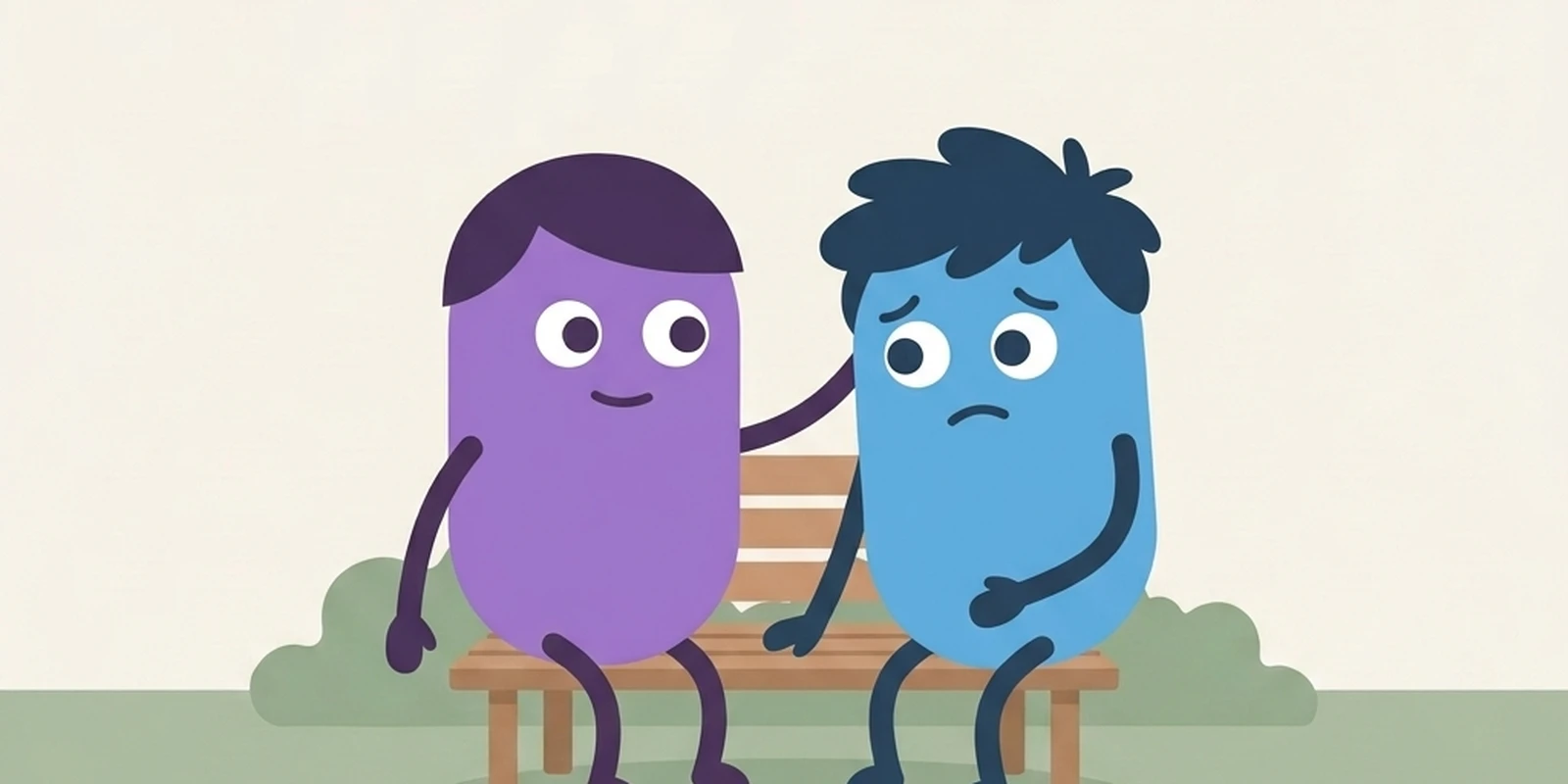
Not everyone makes an effective accountability partner, and choosing the wrong person can make recovery harder rather than easier. Research on behavioral addiction identifies several characteristics that predict partner effectiveness:
Shared personal experience. A partner who has struggled with the same pattern understands the specific shame cycles, the rationalization patterns ("just this once"), and the way urges escalate in ways that someone without that experience cannot. Dr. Marc Potenza at Yale, one of the leading researchers on compulsive sexual behavior, has consistently noted that peer support from those with lived experience is qualitatively different from support provided by uninformed friends or family.
Willingness to be honest, not just kind. The most common failure mode for accountability partners is becoming an enabler — a partner who accepts excuses, avoids asking hard questions, or responds to slips with pure sympathy rather than honest reflection. Kindness matters, but it cannot come at the cost of honesty. The question "What were you feeling in the hour before the slip?" is more useful than "Don't be too hard on yourself."
Consistency over intensity. A partner who checks in briefly every day is more effective than one who has one long conversation per month. Brief, regular contact maintains the psychological awareness that someone is tracking your progress — which is the core mechanism by which accountability reduces relapse.
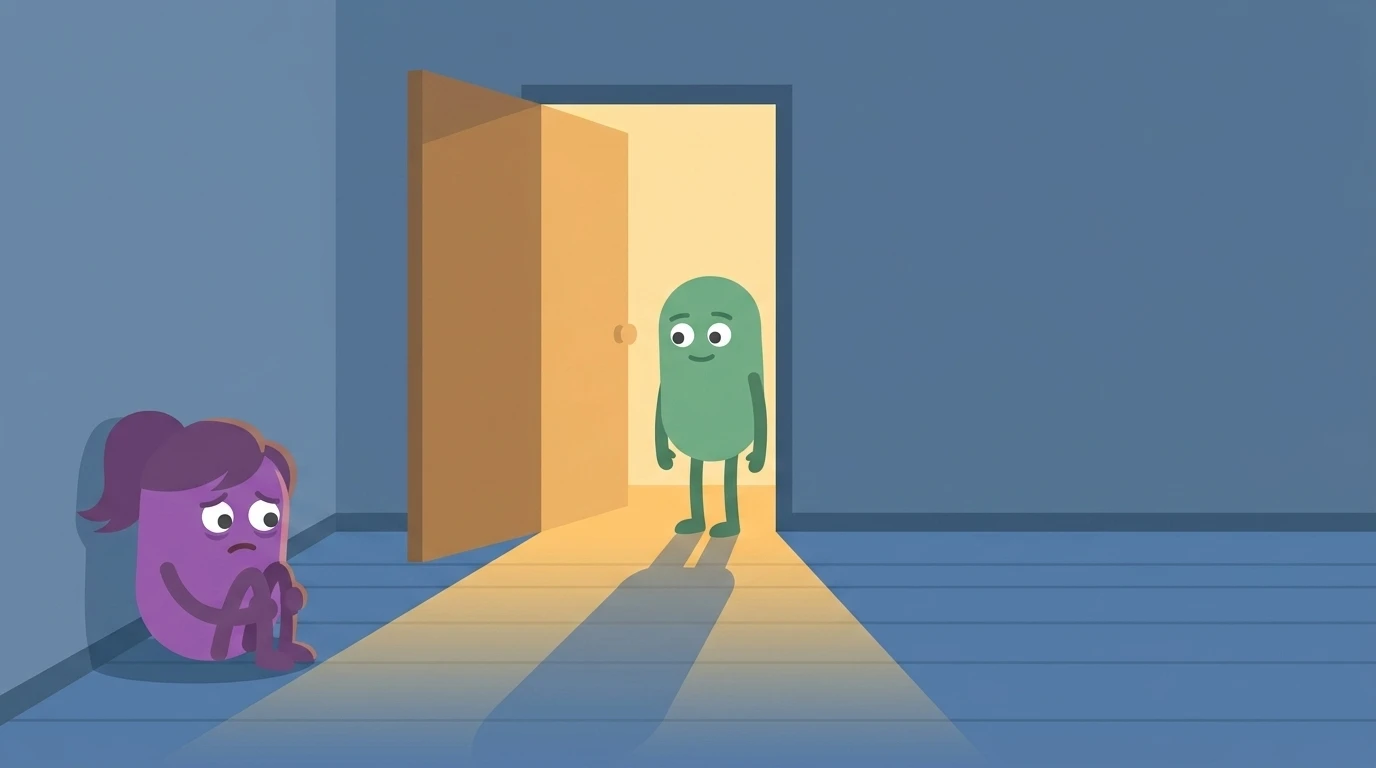
Non-shaming response to failure. This is the counterintuitive requirement: the best accountability partners respond to slips calmly. Intense shame responses from partners — whether disappointment, withdrawal, or moralistic lectures — increase the likelihood of future relapse rather than reducing it. Shame drives isolation, and isolation drives compulsive use.
What Are the Disadvantages of an Accountability Partner?
The limitations of accountability partnerships are real and worth understanding before you rely on one as your primary recovery tool.
Inconsistency. The most common failure is simply that partners stop showing up. Life intervenes, enthusiasm fades, and without a structured system, many partnerships dissolve within a month. This is why platform-matched partnerships with built-in check-in systems outperform informal arrangements.
Disclosure anxiety. Most men who struggle with porn use are not comfortable telling anyone about it. The thought of a friend, family member, or colleague knowing is itself a barrier to seeking accountability. This is why anonymous or pseudonymous platforms matter — the accountability mechanism works even when the partner doesn't know your last name.
Shame dynamics. A partner who reacts badly to slips — with disappointment, lectures, or withdrawal — can worsen recovery. The shame of disappointing an accountability partner can become its own trigger for compulsive use, which is the opposite of the intended effect.
Dependency without progress. Some accountability relationships become maintenance systems rather than recovery systems — the person checks in, reports the same struggles week after week, and the partner provides comfort without pressing for change. Effective accountability includes movement, not just presence.
Monitoring Apps vs. Social Accountability: What the Research Shows
Apps like Covenant Eyes and Ever Accountable are widely used in faith-based recovery communities. They work by monitoring device activity and sending reports to an accountability partner — flagging access to pornographic content.
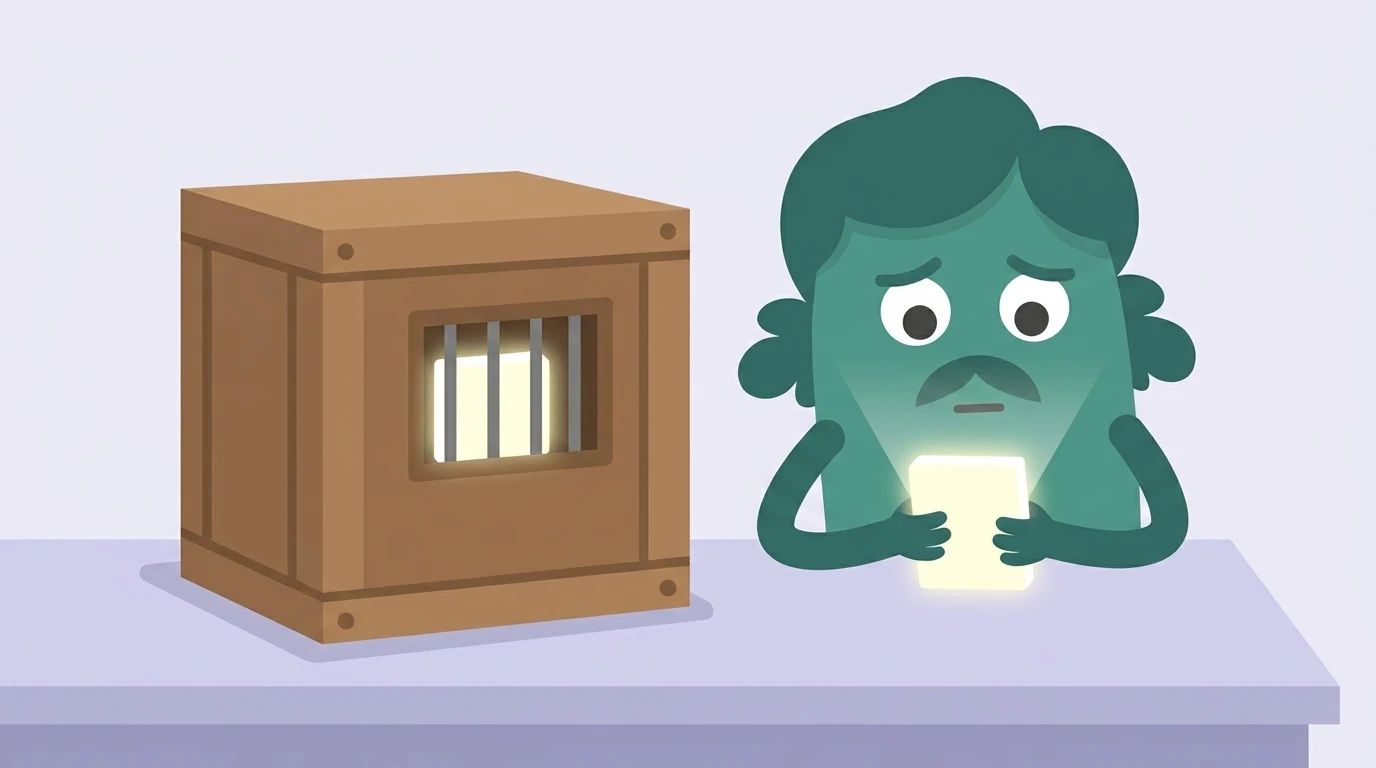
These tools address one part of the problem: access. What they don't address is the underlying state — boredom, loneliness, stress, anxiety — that drives the urge in the first place. A person who is blocked from pornographic content but whose underlying isolation remains unchanged will find a workaround or shift to a different compulsive behavior.
Key Stat: A 2015 study by Grubbs, Volk, Exline & Pargament found that the psychological distress associated with perceived pornography addiction — including shame and isolation — was a stronger predictor of problematic use than the frequency of use itself. Addressing isolation, not just access, is the intervention that changes outcomes.
The most effective approach combines both: monitoring tools that create friction on access, paired with social accountability that addresses the emotional states that drive use.
Key Stat: Research from the American Society of Addiction Medicine notes that addiction involves disruption in social networks, and that recovery consistently benefits from prosocial support — reconnection with others, not just removal of the addictive behavior.
Social accountability and monitoring apps are not competing approaches. But if you can only do one, the evidence points toward human connection.
How GetMotivated.ai Solves the Hardest Part of Accountability
The hardest part of finding an accountability partner for porn addiction is not knowing what to say or who to ask. It's not that people don't want accountability — search volume for "accountability partner porn addiction" and "how to find accountability partner" is substantial precisely because people are actively looking. The gap is access: finding a partner who has the right qualities, is available, and will actually show up.
GetMotivated.ai's buddy matching system was built for this exact problem.
When you join a recovery challenge on GetMotivated.ai, the platform pairs you with a buddy — someone working through the same challenge, at the same stage, with the same goals. You're not cold-messaging strangers on Reddit or asking a friend to have a conversation they're not equipped for. The match is made automatically, and the challenge structure provides the scaffolding: check-in prompts, shared milestones, and a structured timeline that keeps both partners engaged beyond the first-week enthusiasm.
Unlike monitoring apps like Covenant Eyes (which report on behavior to a designated contact) or productivity co-working tools like Focusmate (which focus on task completion), GetMotivated.ai addresses the underlying recovery need — consistent peer support from someone who is in it with you, not just watching.
For people in active recovery who have tried going it alone, the platform provides what solo effort cannot: the weight of knowing someone expects you to show up tomorrow.
What Good Check-Ins Actually Look Like
One reason accountability partnerships fail is that neither person knows what to talk about. Check-ins default to "How are you doing?" / "Pretty good" / "Great, keep it up" — which produces no accountability at all.
Effective check-in questions for porn addiction recovery:
• "What was your hardest moment this week, and what did you do instead of using?"
• "What triggers came up that you hadn't anticipated?"
• "On a scale of 1-10, how consistent were you with your other recovery practices this week?"
• "Is there anything you haven't told me that I should know?"
• "What's one thing you're going to do differently next week?"
The last question is critical. Recovery is not a status report — it's a process of iteration. Each check-in should produce a specific commitment for the next period, not just a grade on the past one.