Can Your Brain Recover from Porn?
Yes — but recovery is neurological, not just motivational.
The brain's neuroplasticity means that structural and functional changes caused by compulsive porn use are reversible, but reversal requires behavioral change sustained over weeks to months. The brain does not reset because you want it to.
Research on recovery timelines (primarily from self-reported data on recovery forums and from clinical observations) suggests:
• Days 1-14: Highest urge intensity, often accompanied by irritability, low motivation, and reduced libido (the brain is recalibrating dopamine baseline)
• Days 30-60: Majority of users report improvement in mood, focus, and motivation; "brain fog" begins lifting
• Days 60-90: Dopamine receptor sensitivity begins recovering; natural stimuli become more rewarding again
• 3-6 months: Most structural recovery has occurred; relapse risk is lower but not eliminated
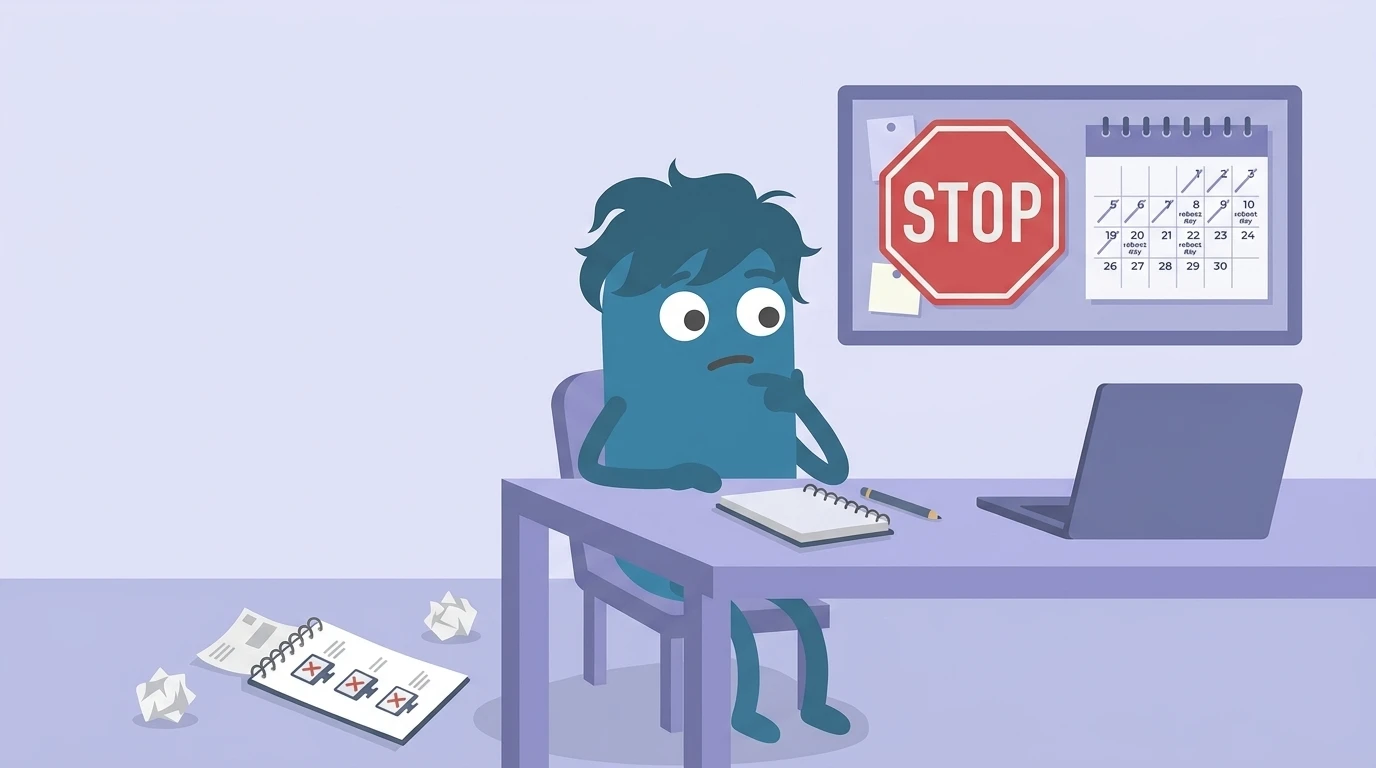
Recovery is not linear. Most people relapse at least once before establishing sustained abstinence. Research on addiction recovery consistently shows that relapse is part of the recovery process, not evidence that recovery is impossible.
How to Break Porn Addiction: What the Evidence Supports
Cognitive Behavioral Therapy (CBT)
CBT is the most evidence-supported psychological intervention for compulsive sexual behavior. A 2019 evidence review by Hallberg et al. found CBT effective at reducing compulsive sexual behavior, including pornography use, with sustained effects at follow-up.
CBT for porn addiction focuses on:
• Identifying automatic thoughts that precede use ("I deserve this," "One more time won't matter")
• Interrupting the behavioral chain before urge intensity peaks
• Building alternative coping strategies for emotional triggers
• Reducing shame — which, paradoxically, increases relapse risk by creating emotional states that drive use
Accountability Structures
Recovery research consistently shows that social accountability is one of the strongest predictors of sustained behavior change. The accountability structure does not need to be a therapist — it can be a peer, a partner, or a structured group.
What accountability provides that solo willpower doesn't:
• An external consequence for relapse (someone will know)
• Consistent check-ins that keep the goal salient
• Social support during high-risk periods (stress, loneliness, late nights)
• Reduced shame through normalizing the struggle
Addressing Underlying Conditions
Compulsive porn use rarely exists in isolation. Depression, anxiety, ADHD, loneliness, and relationship dissatisfaction are common co-occurring conditions that drive compulsive use as a coping mechanism. Treating only the porn behavior without addressing what the behavior is managing produces predictably poor results.
If you have ADHD, impulsivity and dopamine-seeking behavior create particular vulnerability to compulsive porn use. ADHD-specific treatment — medication, behavioral strategies, and structured support — should be part of any recovery approach.
How GetMotivated.ai Supports Porn Addiction Recovery
Apps like Covenant Eyes and Ever Accountable address the access-control side of recovery — and they're useful for that. But access control alone doesn't address the underlying behavioral and emotional patterns that drive compulsive use.
GetMotivated.ai approaches recovery as a structured behavioral change program, not just a filter:
Buddy matching pairs you with someone working on the same challenge. For porn recovery specifically, isolation is a major relapse driver — accountability buddies create the consistent, ongoing social accountability that research identifies as the most protective factor in sustained recovery. Unlike a one-time forum post to r/NoFap, a buddy is someone who expects to hear from you tomorrow.
Structured recovery challenges provide a 30-day behavioral framework with clear daily actions, check-ins, and milestones. Structure reduces the cognitive load of "figuring out how to quit" — one of the most common barriers for people in early recovery.
AI coaching offers a private, judgment-free space to understand your specific trigger patterns and build a response plan before urges hit. For people who find it too vulnerable to discuss porn use with another human initially, AI coaching is a lower-barrier starting point that still produces the self-awareness gains that therapy would.
The combination matters because recovery requires addressing multiple points in the behavioral chain: cue control (stimulus strategies), urge interruption (behavioral techniques), emotional regulation (understanding triggers), and accountability (social structures). Platforms like GetMotivated.ai integrate these elements rather than requiring you to stitch them together yourself.
Why Shame Makes It Harder to Stop
The emotional experience most people describe around compulsive porn use is shame — and shame is neurologically counterproductive to recovery.
Shame creates the emotional deficits (low dopamine tone, social withdrawal, self-criticism) that make compulsive use more likely. The cycle is: use → shame → emotional low → use to relieve the low → more shame.
Research on recovery from compulsive behaviors consistently shows that self-compassion — not moral condemnation — produces better outcomes. This is not a permissive stance on porn use; it's a recognition of what the neuroscience shows about how shame affects motivation and relapse.
If you've tried to stop and failed, you are not morally deficient. You are experiencing a well-documented neurological process. The practical implication: treat your past failed attempts as data about what doesn't work, not as evidence that you are beyond help.
The question "why can't I stop watching porn?" has a biological answer. The next question — what do I do about it — has increasingly well-supported answers too.