GetMotivated.ai Logo
How It WorksBlogLog in
  1. Home
  2. /
  3. Blog
  4. /
  5. Peer Support vs Therapy and What Each One Is For
September 21, 20268 min readMental Health

Peer Support vs Therapy and What Each One Is For

Therapy and peer support aren't competing options. One brings clinical training, the other brings people who stay in your corner. Here's how to tell which you need.

Rachel Stein

Last reviewed: August 2026

Peer Support vs Therapy and What Each One Is For

Therapy treats your symptoms with clinical training; peer support keeps you showing up long enough for treatment to work. They solve different problems, and the research backing each one is different too: therapy has decades of controlled trials behind it, while peer support's strongest evidence is about engagement and retention, not symptom reduction. Knowing which is which changes how you use them.

What a therapist does that a peer cannot

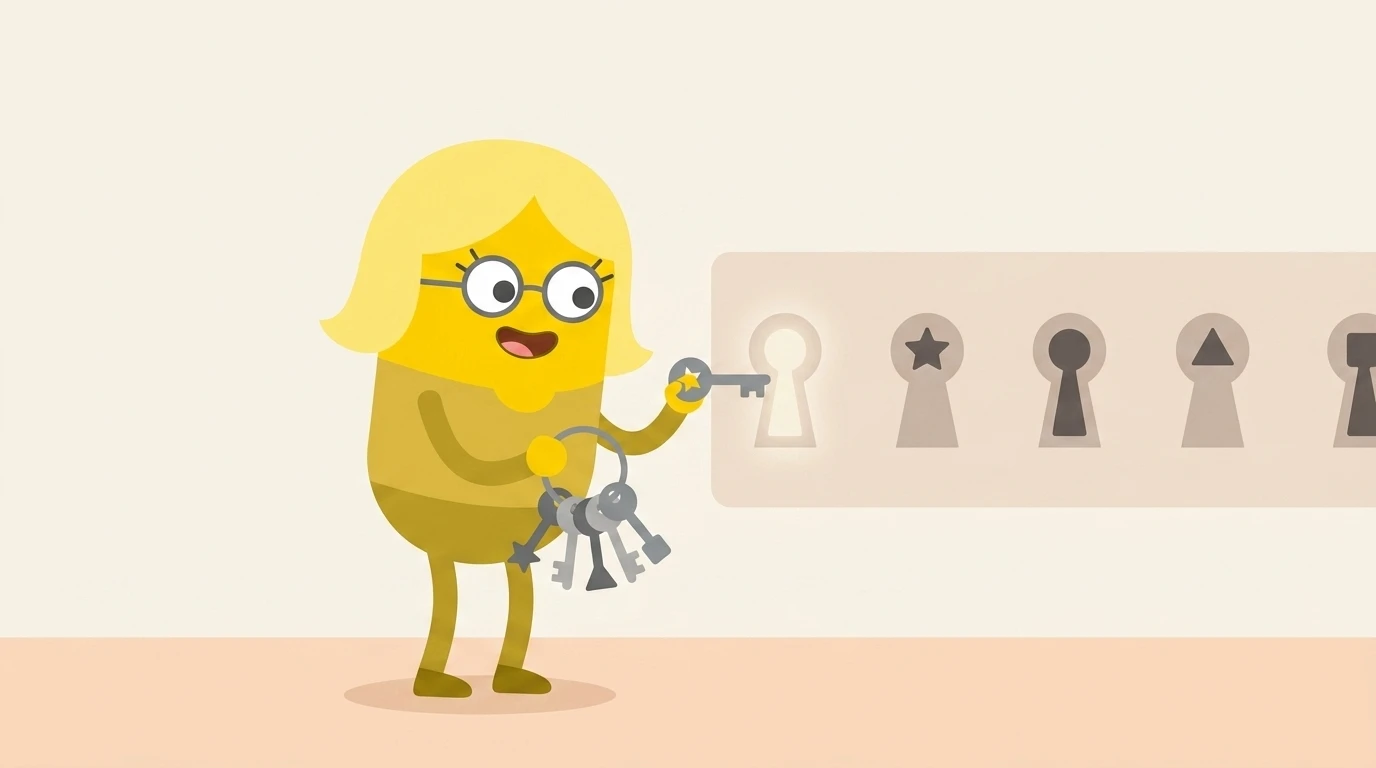
A therapist is trained to assess your symptoms against diagnostic criteria, choose a treatment approach that has been tested for your specific condition, and adjust it as you respond. That training is the entire value of the credential. A therapist can tell the difference between generalized anxiety and a trauma response that looks like anxiety on the surface, and can tell you which evidence-based approach fits which one. A peer, however caring, cannot make that call, and a peer support intervention should never be asked to.

Therapy also carries legal and ethical structure a peer relationship doesn't have. Confidentiality rules, mandated reporting, licensing boards, malpractice accountability. If your case needs medication management, a formal diagnosis for disability paperwork, or treatment for something acute, that structure isn't optional. It's the reason therapy exists as a regulated profession instead of a friendly chat.

This is also why therapy has the deeper evidence base of the two. Randomized controlled trials testing specific therapeutic approaches against specific conditions have been running for decades, and the field has settled on which approaches work best for which diagnoses. That body of evidence is what a peer support model is still catching up to, and honest researchers in the peer support field say so directly in their own papers.

What a peer does that a therapist cannot

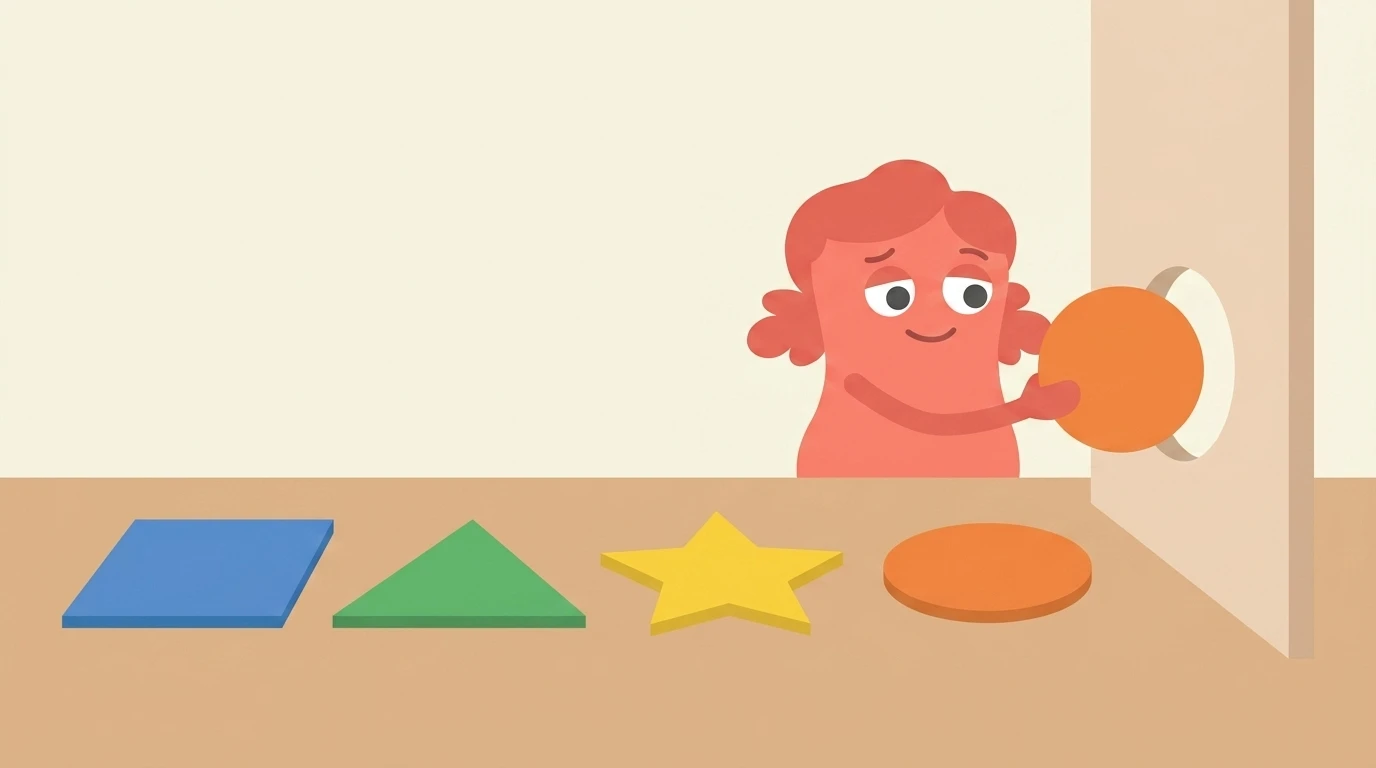
A peer has lived the thing you're living. That's the entire mechanism, and it's not a small one. A 2025 realist synthesis published in BMJ Open pulled together 18 qualitative studies of the mental health peer support relationship and built a five-part framework, named APPEAR, describing what makes the relationship work: peers are accepting of where someone actually is, they personalize their approach instead of following a script, they build a person's sense of agency, they stay reachable outside scheduled hours, and the relationship runs both directions instead of one person always being the helper. The researchers, led by Corinna Hackmann, found these conditions together were what produced gains in self-acceptance, confidence, hopefulness, self-expression, relationships, and practical skills. None of that requires a license. It requires someone who has actually been where you are and is willing to be reached.

Availability matters more than it sounds like it should. A therapist sees you for 50 minutes, once a week, inside an appointment slot you had to book in advance. A peer can text you at 11pm when the bad thought shows up, because the peer relationship isn't structured around billable hours in the same way. That difference in access is a big part of why peer support shows up so consistently in retention data, even in studies where it doesn't move a symptom score by much.

None of this makes a peer a substitute clinician, and the APPEAR researchers weren't arguing that it should. What they documented is a specific kind of relationship, built on shared experience instead of training, that produces its own outcomes. Those outcomes, confidence and a sense of agency among them, are not side effects. For a lot of people they're the thing that was missing the whole time, the piece no amount of clinical skill alone can supply because it depends on the peer actually having lived it.

Related Challenges & Plans

Lifechallenge

Clean Any Room in 5 Steps with Ann Russell

Clean any room with Ann Russell’s 5-step method. A direct, realistic 14-day plan for building cleaning habits that actually stick.

Ann Russell
In partnership with Ann Russell · by GetMotivatedBuddies
10 min3×/week14dL1
Health & Fitnesschallenge

Health & Fitness Daily Check-In (21d)

Intro challenge with 5-min daily check-ins. Build consistency with diet or exercise—alongside peers.

GetMotivatedBuddies
Created by GetMotivatedBuddies
10 min3×/week21dL1
Lifechallenge

Reclaim Focus: Quit Porn

Reclaim your mental focus, energy, and self-control by quitting porn in this 30-day challenge with daily science-backed accountability.

Gabriele Oettingen
Based on Gabriele Oettingen · by GetMotivatedBuddies
10 min3×/week30dL2

What the research actually shows

This is the part that gets flattened into marketing copy, so here it is straight: peer support's evidence for improving clinical symptoms is mixed, and the honest studies say so themselves.

A 2020 systematic review in JMIR Mental Health, led by Karen Fortuna, examined 30 studies of digital peer support for people with serious mental illness, including 11 randomized controlled trials. The conclusion was direct: digital peer support is feasible and acceptable, with strong potential for clinical effectiveness, but the field is still early and needs well-powered trials before that potential can be called proven. Feasible and acceptable means people show up and stay. Potential effectiveness means the jury on symptoms is still out.

A pilot randomized controlled trial published in Blood Advances in 2026 tested a peer support program for people undergoing stem cell transplants, delivered by phone by a transplant survivor. Every single participant assigned to the program completed at least three of five sessions, and satisfaction scores were high. On psychological outcomes, the trial found small-to-moderate improvements, an effect size of -0.36 to -0.58 on anxiety, -0.25 on depression, and 0.48 on quality of life. Promising, but the researchers called it exactly what it was: a pilot, warranting a larger trial before anyone claims proof.

Then there's the other end of the honesty spectrum. A 2026 systematic review in BMJ Open set out to evaluate peer support after miscarriage. The researchers screened 4,342 titles and found zero studies that met their criteria for assessing effectiveness. Not a negative result. An absence of evidence. The paper's own conclusion states there is currently no reliable evidence peer support helps after miscarriage specifically, even though it's increasingly built into maternal mental health services on the assumption that it does.

Put those three findings side by side and a pattern holds across all of them: peer support gets people to stick with something. Whether it moves the clinical needle depends heavily on which condition, which format, and which study you're looking at. That's not a weakness to hide. It's the reason peer support and therapy aren't substitutes for each other.

How to choose when you can only pick one

If you're dealing with a diagnosable condition that's acute, worsening, or involves risk to yourself or someone else, start with a therapist. That's not a hedge, it's the evidence. Clinical training exists for exactly this situation.

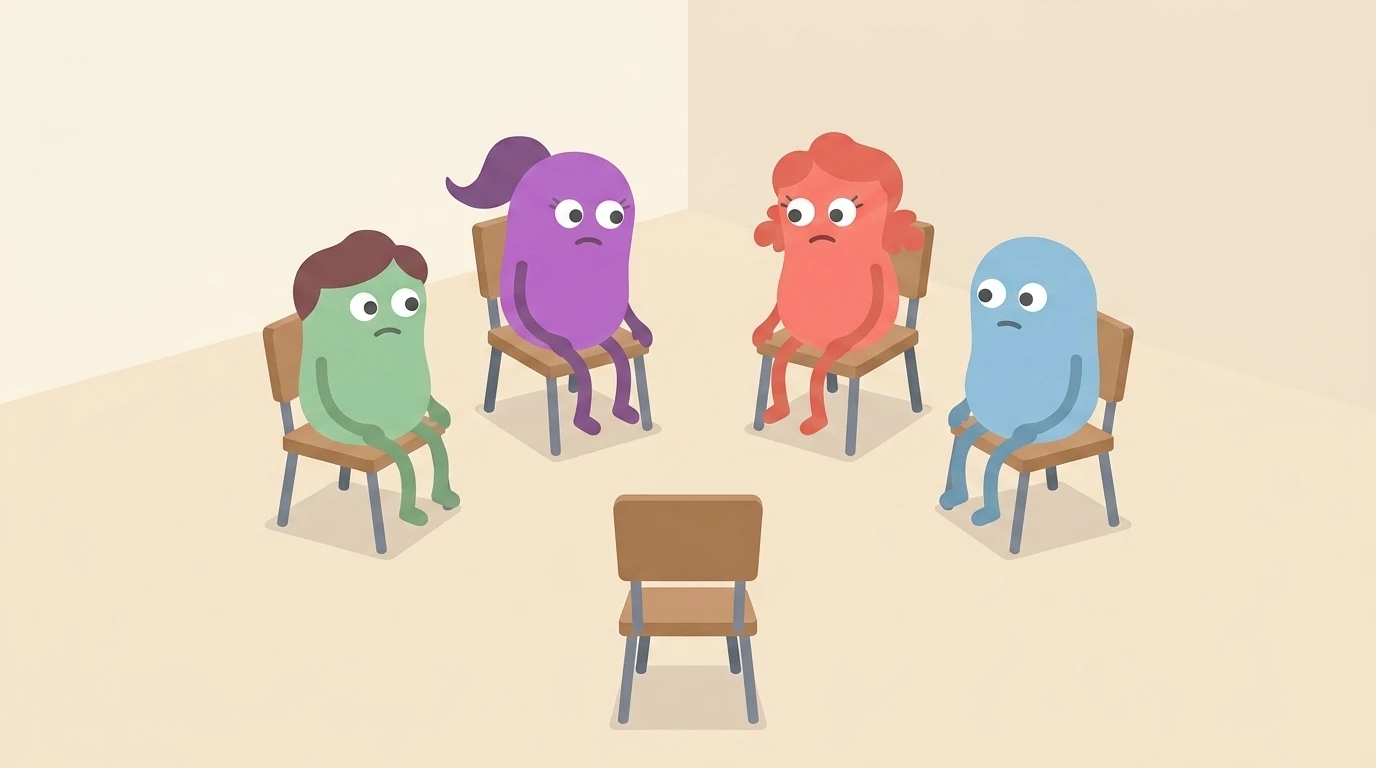
If your barrier isn't understanding what to do but doing it consistently, start with peer support. If you already know your triggers, already have a treatment plan, and the thing that keeps failing is showing up for it alone at 9pm on a Tuesday, a peer group solves a different problem than a therapist solves, and it may solve it better.

If you're not sure which category you're in, that uncertainty is itself useful information. Book one therapy consultation. A single session with a licensed clinician can tell you whether what you're dealing with needs clinical treatment, and if it does, you now have someone who can also point you toward peer resources that complement it.

Using both at once

Nothing about the research suggests you have to pick a lane. The HSCT trial above ran peer support as an addition to standard transplant care, not a replacement for it. The APPEAR framework describes peer support functioning inside existing mental health services, working alongside clinicians rather than instead of them.

In practice this looks like therapy for the clinical work, symptom tracking, diagnosis, medication decisions, and a peer community for the in-between hours therapy doesn't cover. A therapist gives you a plan. A peer group is where you talk through what happened when you tried to follow it and it didn't go the way the plan assumed. Both roles are real, and neither one is optional if you're building something that has to hold up over months, not just through one good week.

If cost or access limits you to one, that's a real constraint, and it's worth naming honestly with whichever professional you can reach. Community mental health centers increasingly bundle both under one roof for exactly this reason: people are more likely to stay in treatment long enough for it to work when someone with real training and someone with real experience are both in the room.

Next time you search, our newest guide shows up.

Sources

Digital Peer Support Mental Health Interventions for People With a Lived Experience of a Serious Mental Illness: Systematic ReviewResearch
Fortuna KL et al.
Mental health peer support relationship: a realist informed qualitative meta synthesisResearch
Hackmann C et al.
Effectiveness of peer support interventions to improve mental health outcomes after miscarriage: a systematic review and call for high-quality evidenceResearch
Burton L et al.
A pilot randomized clinical trial of a peer support intervention for hematopoietic stem cell transplantationResearch
Amonoo HL et al.

Topics

peer supporttherapymental healthadherence

AI-ready summary

Therapy and peer support aren't competing options. One brings clinical training, the other brings people who stay in your corner. Here's how to tell which you need.

Related Challenges & Plans

Lifechallenge

Clean Any Room in 5 Steps with Ann Russell

Clean any room with Ann Russell’s 5-step method. A direct, realistic 14-day plan for building cleaning habits that actually stick.

Ann Russell
In partnership with Ann Russell · by GetMotivatedBuddies
10 min3×/week14dL1
Health & Fitnesschallenge

Health & Fitness Daily Check-In (21d)

Intro challenge with 5-min daily check-ins. Build consistency with diet or exercise—alongside peers.

GetMotivatedBuddies
Created by GetMotivatedBuddies
10 min3×/week21dL1
Lifechallenge

Reclaim Focus: Quit Porn

Reclaim your mental focus, energy, and self-control by quitting porn in this 30-day challenge with daily science-backed accountability.

Gabriele Oettingen
Based on Gabriele Oettingen · by GetMotivatedBuddies
10 min3×/week30dL2

Keep reading

How to Get Motivated
September 20, 20265 min readMental Health

How to Get Motivated

The fastest way out of a motivation slump is figuring out which one you're actually in. This guide sorts the eight most common causes and points to the fix that matches yours.

motivationmental healthadhddepression
Rachel SteinRead →
How to Find a Support Group That Actually Fits
September 20, 20268 min readMental Health

How to Find a Support Group That Actually Fits

A practical walkthrough for picking a support group that fits, testing it honestly in the first three sessions, and knowing when to try something else instead.

Support Groupspeer supportmental health
Rachel SteinRead →
What Actually Happens in a Peer Support Group
September 19, 20268 min readMental Health

What Actually Happens in a Peer Support Group

You don't have to talk. You don't have to have a diagnosis figured out. Here's what a peer support group actually is, and what really happens in the room.

peer supportmental healthcommunityaccountability
Rachel SteinRead →
GetMotivated.ai

Behavioral health. Built with intention.

Structured support for ADHD, chronic health, recovery, focus, and long-term change.

Stay in the loop

Research, program launches, and behavioral health insights. Only useful updates.

By joining, you agree to receive emails from GetMotivated.ai. Unsubscribe anytime. See our Privacy Policy.

Explore

  • Browse Plans & Challenges
  • Challenges
  • ADHD Support
  • Health Support
  • Recovery Support
  • Blog
  • Creators
  • Sources
  • Tools
  • How It Works
  • Pricing

Topics

  • Focus
  • Habits
  • Work
  • Learn
  • Health
  • Life

Company

  • About
  • Contact
  • How We Research
  • Our Guarantee
  • Privacy
  • Terms

Work With Us

  • For Organizations
  • For Behavioral Health
  • For Education
  • Careers
  • Affiliates
  • Partners
  • Sponsors
Explore+
  • Browse Plans & Challenges
  • Challenges
  • ADHD Support
  • Health Support
  • Recovery Support
  • Blog
  • Creators
  • Sources
  • Tools
  • How It Works
  • Pricing
Topics+
  • Focus
  • Habits
  • Work
  • Learn
  • Health
  • Life
Company+
  • About
  • Contact
  • How We Research
  • Our Guarantee
  • Privacy
  • Terms
Work With Us+
  • For Organizations
  • For Behavioral Health
  • For Education
  • Careers
  • Affiliates
  • Partners
  • Sponsors

© 2026 GetMotivated.ai. All rights reserved.

PrivacyTerms

Calm structure. Clear next steps. Human accountability.