The Listening Problem
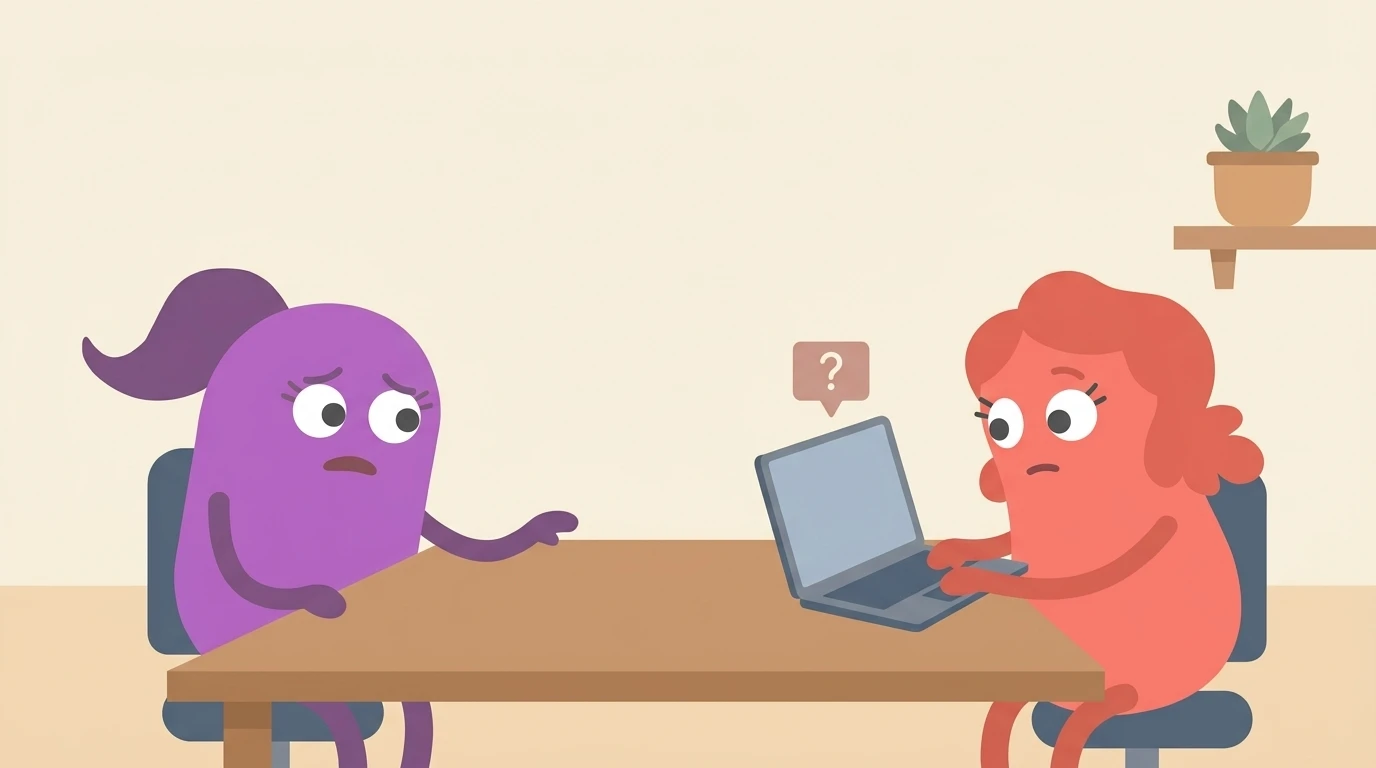
"You never listen to me" is one of the most common complaints non-ADHD partners report. What's actually happening is more specific: the ADHD brain has difficulty sustaining attention during low-stimulation conversations. A conversation about plans for the weekend doesn't produce the neurological activation that keeps the ADHD brain engaged. The ADHD partner's attention drifts — physically present, mentally elsewhere.
This is not disrespect. It is how ADHD brains are wired. That doesn't make it acceptable to leave unaddressed; it means the solution is different than the non-ADHD partner typically assumes.
Emotional Flooding During Arguments
When conflict arises, the ADHD brain's weak emotional braking system means escalation happens faster and feels more intense. Research consistently shows that emotional dysregulation in ADHD is driven by the same prefrontal cortex and dopamine system differences that cause attention difficulties.
The result: arguments that start small reach a flooding state quickly. In flooding, neither partner can access their regulated, problem-solving self. Whatever gets said during flooding will damage the relationship and won't resolve anything.
The Rejection Sensitivity Layer
Many adults with ADHD also experience rejection sensitive dysphoria (RSD) — an intense emotional reaction to perceived criticism or rejection. When a partner raises a concern, the ADHD partner with RSD doesn't hear "I need this from you." They hear "You've failed me. Again." The defensive or withdrawing response that follows makes the non-ADHD partner feel their concern was dismissed.
What Actually Works: Evidence-Based Strategies for ADHD Couples
External Systems Instead of Internal Promises
"I'll try harder to remember" doesn't work for working memory deficits. External systems do. Practical options that consistently help:
• Shared digital calendar with notification alerts for both partners (not just the ADHD partner)
• Weekly relationship meeting — 20 minutes, same time each week, structured agenda covering logistics, appreciations, and one concern each
• Written communication for complex topics — texting or messaging complex emotional content gives the ADHD brain processing time without real-time social pressure
• Physical reminders in high-visibility locations for commitments the ADHD partner has made
The goal is to remove reliance on the ADHD partner's working memory for things that matter to the relationship.
Structured Communication Protocols
General advice to "communicate better" fails ADHD couples because it doesn't account for how ADHD affects the conversation itself. Specific protocols work better:
The 20-minute rule: Before raising a concern, both partners agree to a specific time. No ambush conversations when one partner is mid-task or transitioning. This reduces the defensive response and gives the ADHD brain a chance to prepare.
Specific requests, not general complaints: "You never help around the house" doesn't give the ADHD brain an actionable target. "Can you handle dinner on Tuesday and Thursday?" does.
Written follow-up: After important conversations, one partner sends a brief summary text. This isn't passive-aggressive record-keeping — it's working memory support.
Key Stat: Couples where one partner has ADHD who use external organizational systems report significantly fewer conflict episodes around responsibilities than couples relying on verbal reminders, according to Orlov's clinical research. — Source: ADDitude Magazine
ADHD-Informed Couples Therapy
General couples therapy often backfires when ADHD is unidentified. Therapists trained in Gottman method or emotionally-focused therapy for neurotypical couples may misread ADHD behavior — tuning out, forgetting, emotional escalation — as willful neglect or lack of investment. This leads to interventions that don't address the actual mechanism.
ADHD-informed couples therapy, by contrast, works with the neurological reality. It addresses the parent-child dynamic directly, builds external systems rather than relying on internal motivation, and helps both partners understand what they're actually dealing with.
How Structured Accountability Changes ADHD Relationship Outcomes
Most advice for ADHD couples ends at "communicate better and see a therapist." This is correct but incomplete. Structured, ongoing accountability — not periodic professional appointments — is what sustains change between sessions.
GetMotivated.ai offers tools specifically built for this gap:
• Couples challenges provide structured 30-day programs that both partners can work through together, with shared check-ins and milestones. For ADHD couples working on communication habits, having an external structure (daily prompts, progress tracking) removes the burden of one partner managing the process.
• Buddy matching pairs individuals working on similar challenges — for the non-ADHD partner managing burnout and resentment, connecting with someone in a similar relationship situation provides validation and strategy that general forums don't.
• AI coaching helps the ADHD partner build self-awareness around their specific patterns — identifying personal triggers for emotional flooding, tracking consistency on relationship commitments, and developing the metacognitive skills that therapy accelerates.
Tools like Focusmate address body-doubling for productivity tasks. Apps like Bearable help track mood. GetMotivated.ai takes a different approach: structured behavioral change programs with social accountability, applied specifically to the patterns — including relationship patterns — that ADHD makes hard to change alone.
The research is consistent: for people with ADHD, external structure and social accountability outperform internal motivation and good intentions every time. Relationships are no exception.