GetMotivated.ai Logo
How It WorksBlogLog in
  1. Home
  2. /
  3. Blog
  4. /
  5. Accountability Buddies Usually Waste Time, Here’s What Actually Works
July 23, 20267 min read

Accountability Buddies Usually Waste Time, Here’s What Actually Works

I ditched my fifth accountability buddy after yet another ghosting session. Turns out peer pressure rarely works for ADHD brains; structured self-monitoring does.

GetMotivated.ai Team

Last reviewed: August 2026

Illustration for the article: Accountability Buddies Usually Waste Time, Here’s What Actually Works

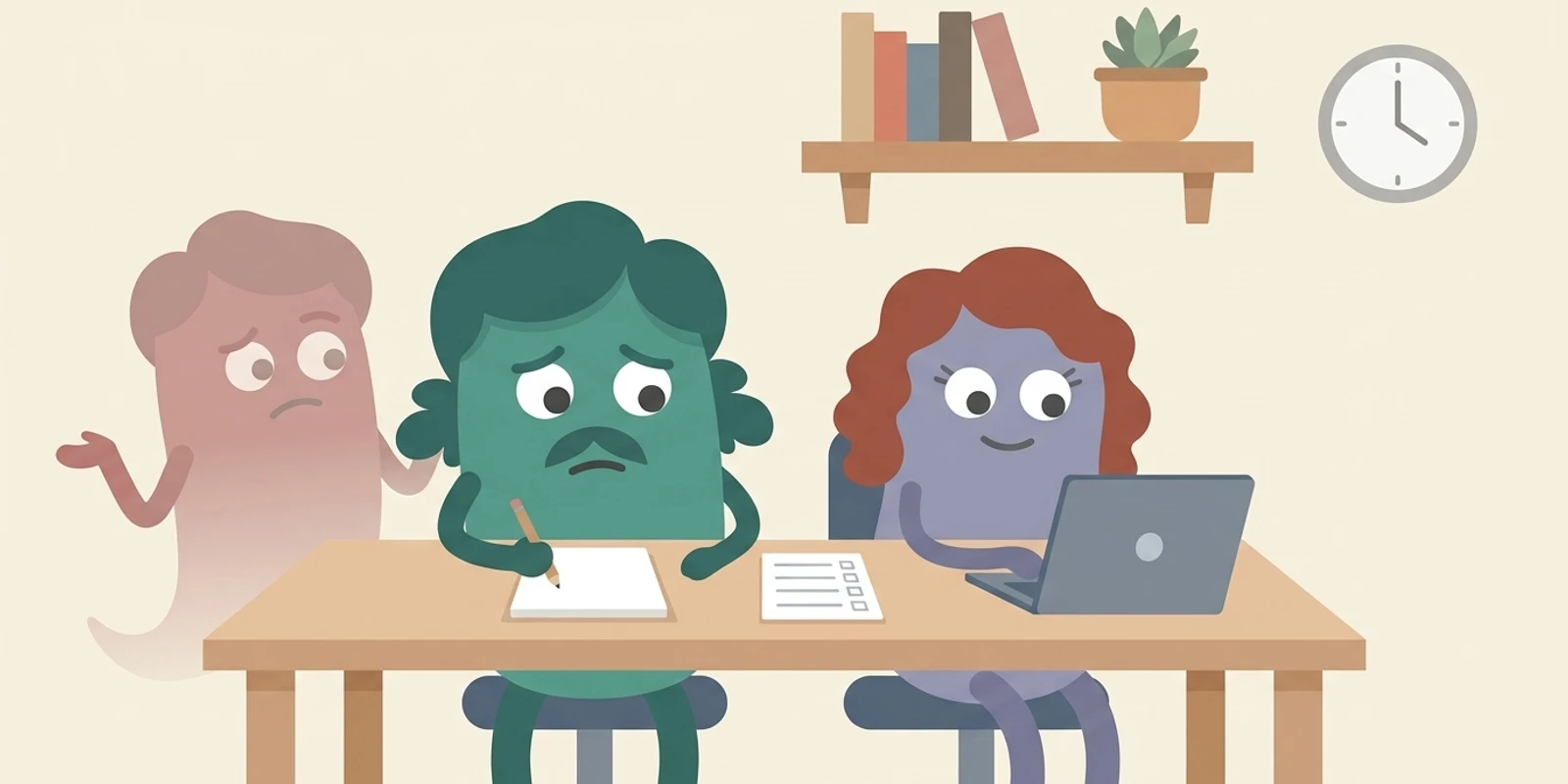
I have buried five accountability buddies in the last two years. Each started with a flurry of “I got you, bro” texts, color-coded spreadsheets, and Sunday night check-ins. By week three the messages slowed, the spreadsheets gathered digital dust, and I was left holding the shame bag alone again.

Turns out I am not flaky; the model is. Peer accountability sounds good on Reddit threads, but ADHD brains and anyone climbing out of addiction need systems that survive dopamine crashes, Rejection Sensitive Dysphoria (RSD) storms, and plain old life chaos. Below I will unpack why the buddy system fails and what you can bolt together instead.

The Buddy Myth

We have all seen the posts: “Need an accountability partner for morning workouts, 5 a.m. EST, serious only.” The fantasy is simple. Two or more people make a pact, shame each other into action, and ride off into the sunset of steady habits. The data do not back this up. Marlatt & Donovan (2005) show that external promises rank low on the relapse-prevention hierarchy. When high-risk situations hit, the buddy is rarely present and the promise dissolves.

In my own case, each buddy had their own crisis by week four: a sick kid, overtime shifts, or they simply forgot. ADHD working-memory deficits (Barkley) made it hard for either of us to keep the other in mind when stress spiked. The result was a double hit: missed behavior plus extra shame for “letting the team down.”

Why Peer Pressure Fails ADHD Brains

Rejection Sensitive Dysphoria Kills Follow-Through

Dodson (2017) describes RSD as an intense emotional reaction to perceived criticism or failure. The mere possibility of a disappointed text from a buddy can trigger shutdown. Rather than text back, the ADHD brain labels the buddy a threat and goes silent. Ghosting is not rudeness; it is self-protection.

Dopamine Loops Need Internal Triggers

Lembke (2021) explains that overexposure to high-dopamine stimuli blunts reward circuits. A buddy’s praise is one more external hit that spikes then crashes. Self-generated micro-rewards, like ticking a box or noting a craving, recalibrate the system without the volatility of another person’s response.

Executive Function Gaps Break Promises

Planning, working memory, and task initiation deficits (Barkley EF factsheet) mean we forget the check-in time, misplace the shared doc, or simply cannot start the habit on a chaotic morning. The buddy cannot fix those gaps from the outside.

Replace Buddies With Self-Systems

Mindfulness-Based Urge Surfing

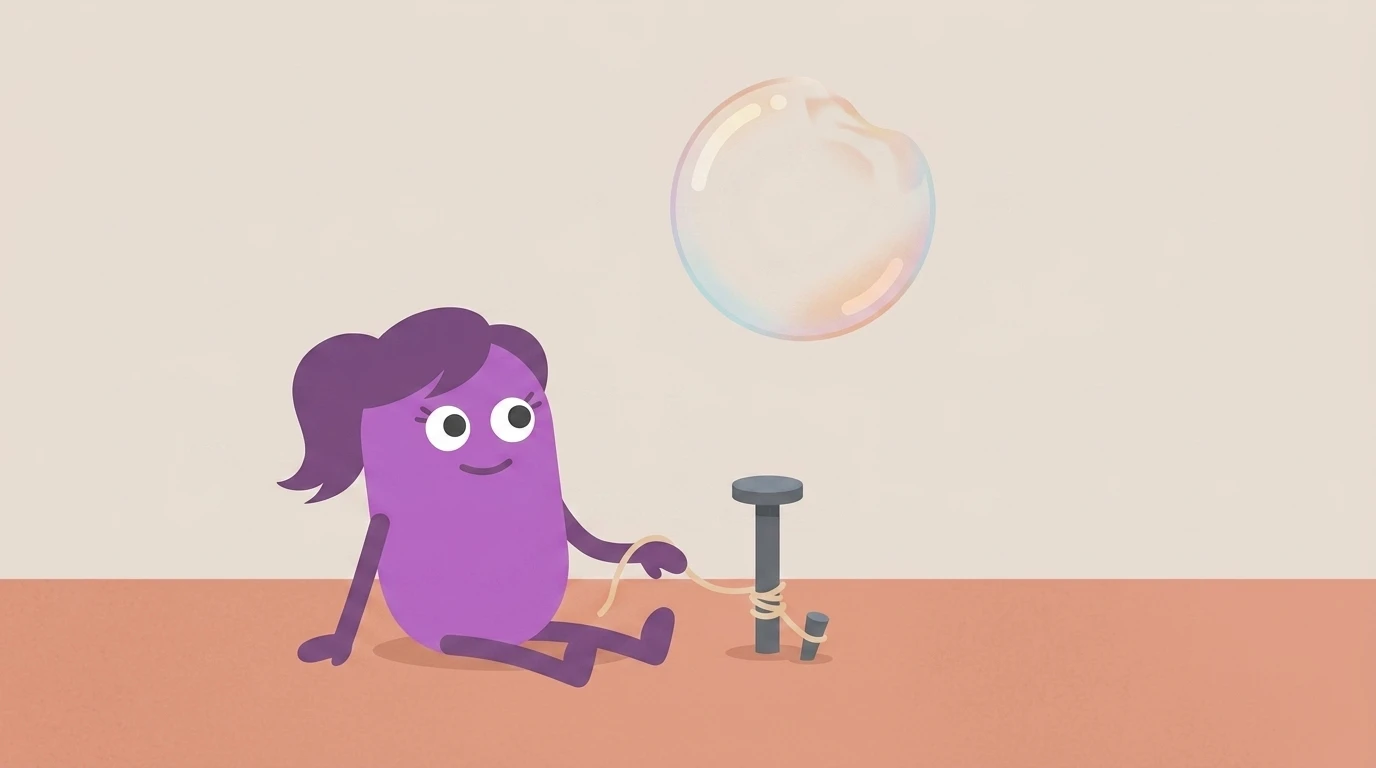
Bowen (2021) teaches urge surfing: notice the craving, label it, watch it rise and fall like a wave, then redirect. I use a 90-second timer. If the urge is still raging when it dings, I open a voice memo and talk it out. No buddy required, and the act of externalizing the thought cuts its power in half.

Phone-Free Zones for Dopamine Reset

Price (2018) recommends 24-hour “phone vacations” followed by scheduled offline blocks. I park my device in a kitchen drawer from 9 p.m. to 9 a.m. The first night was torture; by night four my baseline dopamine sensitivity started to return and morning workouts felt less like punishment.

Related Challenges & Plans

Health & Fitnesschallenge

Health & Fitness Daily Check-In

Intro challenge with 5-min daily check-ins. Build consistency with diet or exercise—alongside peers.

GetMotivatedBuddies
Created by GetMotivatedBuddies
10 min3×/week21dL1
Learnchallenge

Learn Daily Check-in Challenge (21d)

Intro challenge with 5-minute daily check-ins. Build consistency with studying, writing, test prep, or creative skills alongside peers.

GetMotivated.ai
Created by GetMotivated.ai
10 min3×/week21dL1
Lifechallenge

Reclaim Focus: Quit Porn

Beat porn addiction: 30 days of real accountability via daily SMS/email check-ins & cohort support. Science-backed. Private.

Anna Lembke
Based on Anna Lembke · by GetMotivatedBuddies
10 min3×/week30dL1
Workchallenge

Work Daily Check-in

Intro challenge with 5-min daily check-ins. Get focused, follow through, and make progress on real work goals alongside peers.

GetMotivatedBuddies
Created by GetMotivatedBuddies
10 min3×/week21dL1

Three-Minute Self-Compassion Break

Neff (2011) offers a script: pause, acknowledge “this is a moment of struggle,” remember “struggle is part of humanity,” then place a hand on the chest and offer kind words. I run this script every time I miss a target. The shame spike flattens within sixty seconds and I am back to the next right action.

Micro-Tracking Beats Big Promises

The Two-Minute Rule

Instead of promising a 5-mile run to a buddy, I commit to two minutes of jogging in place. Once shoes are laced, momentum usually carries me further. The small entry point sidesteps ADHD activation deficits.

Habit Stacking With Visual Cues

I tape a sticky note on the bathroom mirror: “After brushing teeth, 10 push-ups.” No texting, no apps. The visual cue plus tiny action loop wires the behavior to an existing routine.

Weekly Data Review, Not Daily Nagging

Every Sunday night I export my Apple Watch rings into a spreadsheet. Seeing the trend line beats any “you skipped Thursday” text. The data is neutral; it does not judge, it simply informs next week’s plan.

The Real Safety Net: Self-Compassion

Shame is the rocket fuel for relapse. When I failed a buddy, I spiraled into “I am broken” narratives that sent me straight to Reddit doom-scrolling. Neff (Self-Compassion for ADHD) shows that self-kindness lowers cortisol and restores executive bandwidth. I now treat myself like a friend who stubbed a toe: brief acknowledgment, no moral lecture, gentle redirection.

When urges hit, I pair the self-compassion break with a DBT skill from Linehan (2014): TIPP temperature (cold water on wrists, intense exercise, paced breathing). The combo grounds the nervous system and keeps me out of the shame pit where old habits live.

FAQs

Why do accountability buddies keep ghosting me?

ADHD impulsivity and RSD make both sides unreliable. When shame spikes, disappearing feels safer than disappointing a friend.

Is self-monitoring just another word for willpower?

No. Willpower fades; systems like urge surfing and micro-tracking create automatic dopamine feedback loops that run without extra effort.

How fast can I expect self-compassion to work?

Studies show measurable drops in shame and increases in follow-through within two weeks of daily three-minute self-kindness exercises.

Do I need to delete all social media to reset dopamine?

Price (2018) found that a 24-hour “phone vacation” followed by scheduled offline blocks is enough to restore baseline sensitivity.

Can I still use group support?

Yes, but treat groups as information hubs, not accountability. Share tactics, not promises.

Explore GetMotivated.AI to find behavior tools that match your situation.
Next time you search, our newest guide shows up.

Sources

Mindfulness-Based Relapse Prevention for Addictive BehaviorsBook
S. Bowen
A comprehensive guide to a structured program that integrates mindfulness meditation with cognitive-behavioral strategies to help individuals manage cravings and prevent relapse.
Dopamine Nation: Finding Balance in the Age of IndulgenceBook
Anna Lembke
A compelling look at the neuroscience of addiction and the "pleasure-pain balance," offering strategies to reclaim focus and moderation in a world of instant gratification.
How ADHD Ignites RSD: Meaning & Medication SolutionsArticle
additudemag.com · M.D., LF-APA William Dodson
Rejection sensitive dysphoria is an intense emotional sensitivity to perceived criticism or failure that frequently affects adults with ADHD. This condition can lead to social withdrawal or extreme people-pleasing and is often managed with specific medication solutions.
Self-Compassion: The Proven Power of Being Kind to YourselfBook
Kristin Neff
Kristin Neff explores self-compassion as a transformative tool for mental health, offering a practical framework based on self-kindness, mindfulness, and our shared human experience.
Self-Compassion: The New ADHD TreatmentArticle
additudemag.com · Kristin Neff
This article explores how self-compassion builds resilience in adults with ADHD by replacing self-criticism with a mindfulness-based practice of self-kindness and shared humanity.
Relapse Prevention and the Five Rules of Recovery - PubMedArticle
pubmed.ncbi.nlm.nih.gov · Steven M. Melemis
This review defines relapse as a gradual process with specific stages and outlines five fundamental rules for successful long-term recovery, including self-care and lifestyle changes.
Relapse Prevention: Maintenance Strategies in the Treatment of Addictive BehaviorsBook
G. Alan Marlatt & Dennis M. Donovan
A foundational guide to the cognitive-behavioral relapse prevention model, offering evidence-based strategies for managing triggers and maintaining long-term recovery from addictive behaviors.

Topics

accountabilitybody doublingbehavioral changeSocial Support

AI-ready summary

Peer accountability often backfires for ADHD and recovery communities because impulsivity, RSD, and dopamine dysregulation make external promises fragile. Replacing buddies with self-tracking, structured mindfulness, and self-compassion yields higher adherence and lower shame.

Key takeaways

  • Peer accountability collapses under ADHD impulsivity and RSD triggers.
  • Self-monitoring tools like urge surfing and micro-tracking create reliable dopamine loops.
  • Self-compassion interventions reduce shame and increase follow-through more than external pressure.

FAQs

Why do accountability buddies keep ghosting me?

ADHD impulsivity and RSD make both sides unreliable. When shame spikes, disappearing feels safer than disappointing a friend.

Is self-monitoring just another word for willpower?

No. Willpower fades; systems like urge surfing and micro-tracking create automatic dopamine feedback loops that run without extra effort.

How fast can I expect self-compassion to work?

Studies show measurable drops in shame and increases in follow-through within two weeks of daily three-minute self-kindness exercises.

Do I need to delete all social media to reset dopamine?

Price (2018) found that a 24-hour “phone vacation” followed by scheduled offline blocks is enough to restore baseline sensitivity.

Can I still use group support?

Yes, but treat groups as information hubs, not accountability. Share tactics, not promises.

Related Challenges & Plans

Health & Fitnesschallenge

Health & Fitness Daily Check-In

Intro challenge with 5-min daily check-ins. Build consistency with diet or exercise—alongside peers.

GetMotivatedBuddies
Created by GetMotivatedBuddies
10 min3×/week21dL1
Learnchallenge

Learn Daily Check-in Challenge (21d)

Intro challenge with 5-minute daily check-ins. Build consistency with studying, writing, test prep, or creative skills alongside peers.

GetMotivated.ai
Created by GetMotivated.ai
10 min3×/week21dL1
Lifechallenge

Reclaim Focus: Quit Porn

Beat porn addiction: 30 days of real accountability via daily SMS/email check-ins & cohort support. Science-backed. Private.

Anna Lembke
Based on Anna Lembke · by GetMotivatedBuddies
10 min3×/week30dL1
Workchallenge

Work Daily Check-in

Intro challenge with 5-min daily check-ins. Get focused, follow through, and make progress on real work goals alongside peers.

GetMotivatedBuddies
Created by GetMotivatedBuddies
10 min3×/week21dL1

Keep reading

Illustration for the article: Body Doubling for Studying: Why Working Near Someone Helps
September 4, 20265 min readADHD & Neurodivergence

Body Doubling for Studying: Why Working Near Someone Helps

Studying alongside another person changes the conditions of a study session rather than requiring more willpower. Here is how to run one so it holds through exam season and beyond.

adhdbody doublingstudy-tipsstudents
Rachel SteinRead →
Illustration for the article: Whole Person Health vs Traditional Care: What's Different
August 6, 20269 min readHabits & Behavioral Change

Whole Person Health vs Traditional Care: What's Different

Traditional care asks what's wrong and treats it. Whole person health asks what matters to you and builds around it. They aren't rivals — but the differences in question, team, and goal change how care actually feels and works.

whole healthWell-beingchronic painbehavioral change
The GetMotivated.ai TeamRead →
Illustration for the article: The Celebration Technique: Why Emotion Creates Habits
August 5, 20269 min readHabits & Behavioral Change

The Celebration Technique: Why Emotion Creates Habits

BJ Fogg's celebration technique says the fastest way to wire in a habit is to feel a genuine flash of positive emotion the instant you finish it. Emotions create habits — not repetition, not willpower.

habit formationneurosciencebehavioral changedopamine
The GetMotivated.ai TeamRead →
GetMotivated.ai

Behavioral health. Built with intention.

Structured support for ADHD, chronic health, recovery, focus, and long-term change.

Stay in the loop

Research, program launches, and behavioral health insights. Only useful updates.

By joining, you agree to receive emails from GetMotivated.ai. Unsubscribe anytime. See our Privacy Policy.

Explore

  • Browse Plans & Challenges
  • Challenges
  • ADHD Support
  • Health Support
  • Recovery Support
  • Blog
  • Creators
  • Sources
  • Tools
  • How It Works
  • Pricing

Topics

  • Focus
  • Habits
  • Work
  • Learn
  • Health
  • Life

Company

  • About
  • Contact
  • How We Research
  • Our Guarantee
  • Privacy
  • Terms

Work With Us

  • For Organizations
  • For Behavioral Health
  • For Education
  • Careers
  • Affiliates
  • Partners
  • Sponsors
Explore+
  • Browse Plans & Challenges
  • Challenges
  • ADHD Support
  • Health Support
  • Recovery Support
  • Blog
  • Creators
  • Sources
  • Tools
  • How It Works
  • Pricing
Topics+
  • Focus
  • Habits
  • Work
  • Learn
  • Health
  • Life
Company+
  • About
  • Contact
  • How We Research
  • Our Guarantee
  • Privacy
  • Terms
Work With Us+
  • For Organizations
  • For Behavioral Health
  • For Education
  • Careers
  • Affiliates
  • Partners
  • Sponsors

© 2026 GetMotivated.ai. All rights reserved.

PrivacyTerms

Calm structure. Clear next steps. Human accountability.