GetMotivated.ai Logo
How It WorksBlogLog in
  1. Home
  2. /
  3. Blog
  4. /
  5. How to Study Effectively: What the Research Actually Supports
September 5, 20265 min readHabits & Behavioral Change

How to Study Effectively: What the Research Actually Supports

Most study advice is guesswork. Two methods have decades of controlled evidence behind them, and neither is re-reading your notes.

Rachel Stein

Last reviewed: August 2026

Illustration for the article: How to Study Effectively: What the Research Actually Supports

What does the research say about how to study effectively?

The two methods with the strongest controlled evidence behind them are retrieval practice (testing yourself instead of re-reading) and distributed practice (spreading study sessions across days instead of massing them into one). A meta-analysis of 22 classroom studies covering more than 3,000 students found a moderate advantage for distributed over massed practice (d = 0.54). Retrieval practice consistently beats re-reading in both lab and classroom settings, including in a primary-school study that tested it on real history material rather than word lists. Neither method requires more study hours. Both require using the hours differently.

Why does re-reading feel productive but not work?

Re-reading a chapter creates a specific illusion: the material looks familiar on the second and third pass, and that familiarity gets mistaken for knowledge. You recognize the sentence. You do not necessarily remember it without the sentence in front of you, which is the only condition that matters on an exam. Recognition and recall are different mental operations, and re-reading only trains the one that will not be tested.

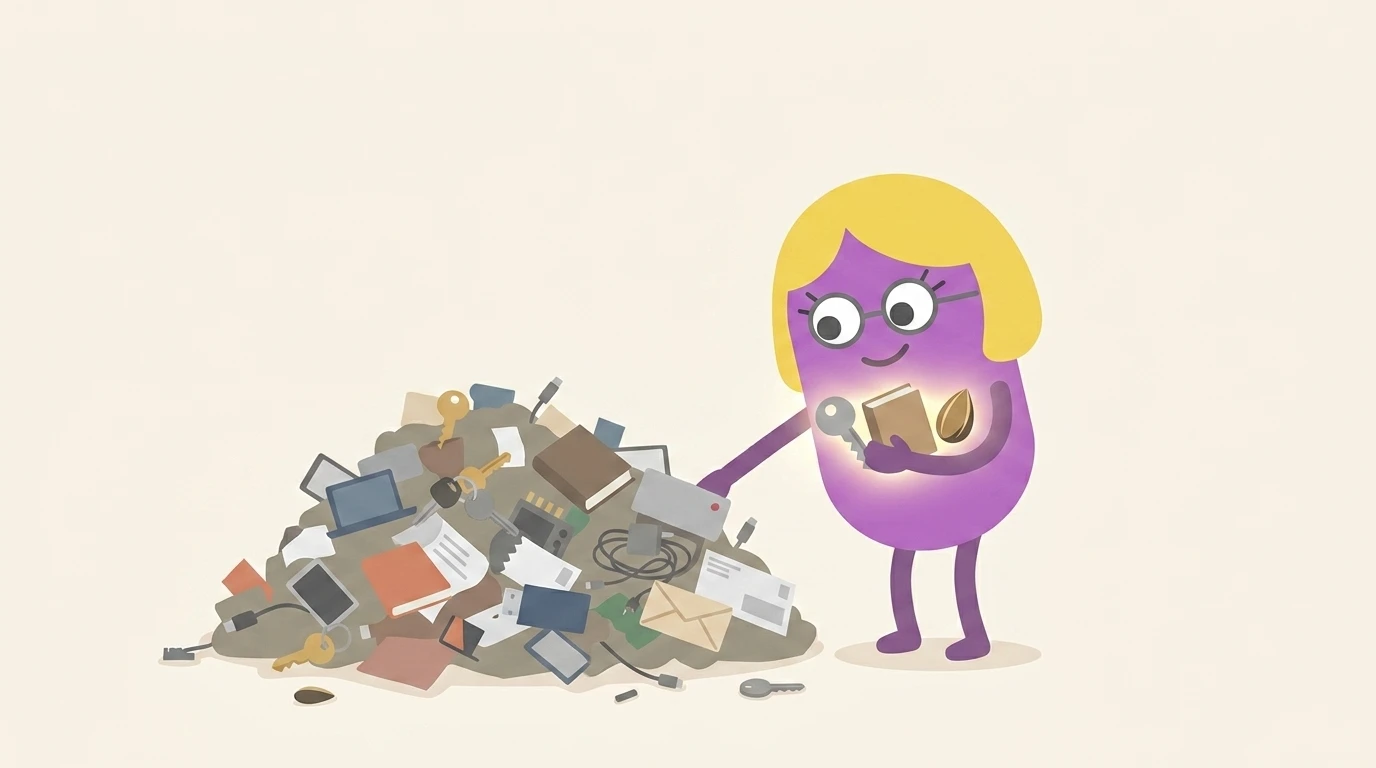
Retrieval practice trains the operation that will be tested, because it requires you to pull information out of memory with nothing in front of you. A study using an artificial-language learning task found that participants who quizzed themselves with cloze tests, rather than restudying example sentences, retained more a week later and also transferred what they learned to new sentences they had never seen. The transfer result matters because most real exams don't just ask you to repeat a memorized sentence, they ask you to apply a concept to a new problem. Restudying didn't produce that transfer. Testing did.

The mechanism is retrieval effort. Pulling an answer from memory strengthens the pathway to that memory in a way that simply looking at the answer again does not. This is why practice tests, flashcards you actually try to answer before flipping, and blank-page recall (writing down everything you remember about a topic without notes) outperform highlighting and re-reading, even when the total study time is identical.

Related Challenges & Plans

Learnchallenge

Learn Daily Check-in

Intro challenge with 5-minute daily check-ins. Build consistency with studying, writing, test prep, or creative skills alongside peers.

GetMotivated.ai
Created by GetMotivated.ai
10 min3×/week21dL1

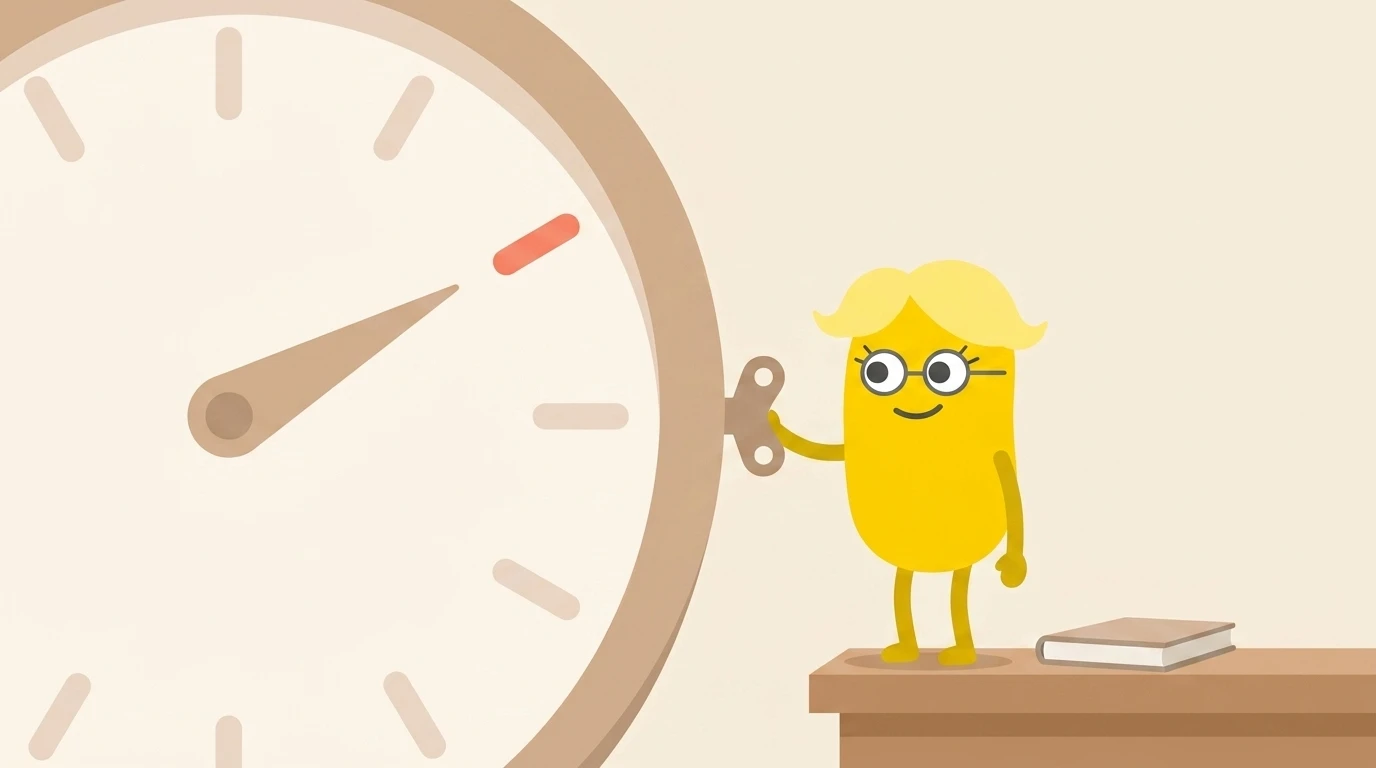
What is distributed practice and why does spacing beat cramming?

Distributed practice means splitting the same amount of study time across multiple sessions with gaps between them, rather than doing it all in one sitting. The gap is not wasted time. It's the part doing the work.

The meta-analytic review of 22 applied classroom studies, screened from more than 3,000 candidate articles, found a moderate effect favoring spaced study over massed study (d = 0.54, 95% CI [0.31, 0.77]). The effect held across a range of subjects and grade levels, and it tended to be larger when the retention interval (the gap between the last study session and the test) was longer and when students were older. That second detail matters for exam prep specifically: spacing pays off more the further out your test is, which is an argument for starting early rather than compressing everything into the final week.

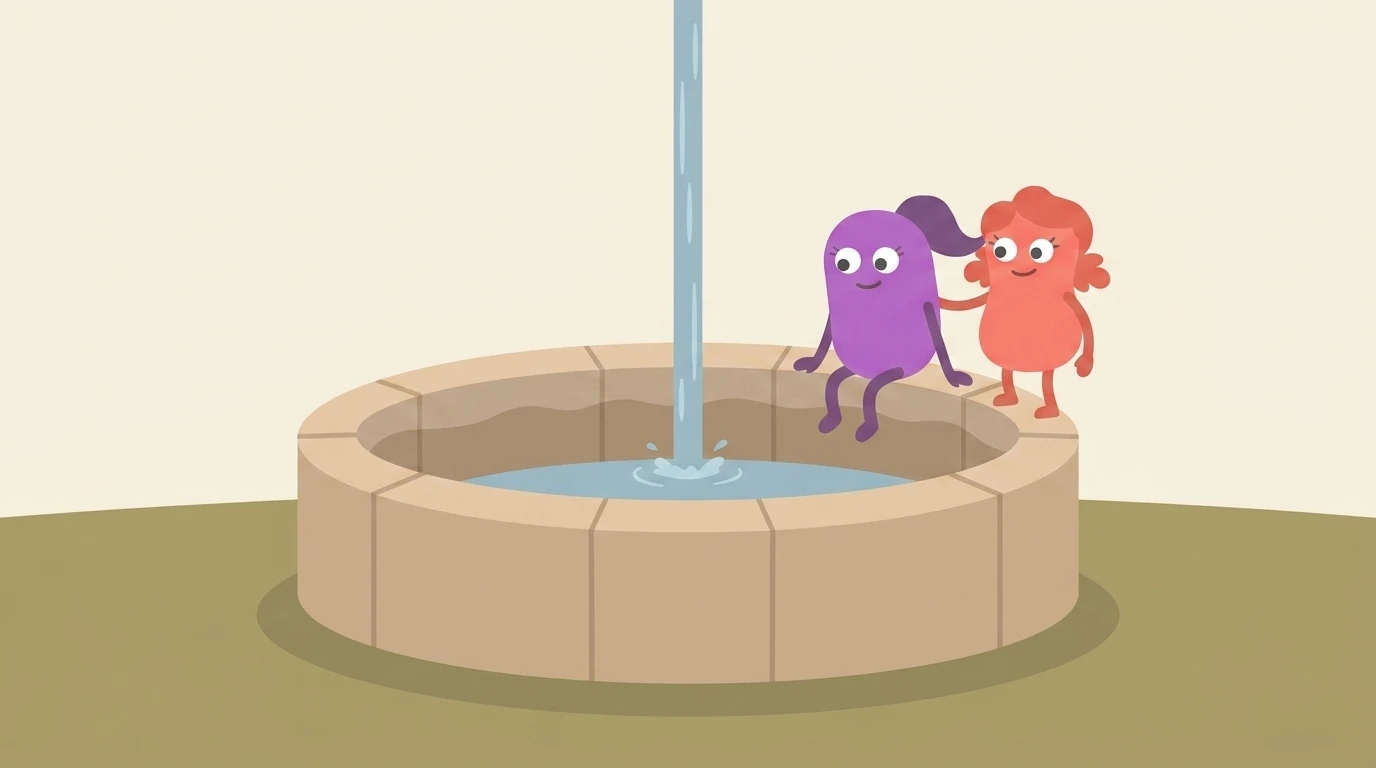
The proposed mechanism is that spacing forces a small amount of forgetting between sessions, and the act of relearning what you almost forgot rebuilds the memory more durably than reviewing something still fresh. When you cram, everything still feels fresh from the last hour, so there is nothing to rebuild. When you space, you have to reconstruct the memory partially from scratch, and that reconstruction is what makes it stick past the test date.

Do retrieval practice and spacing work together?

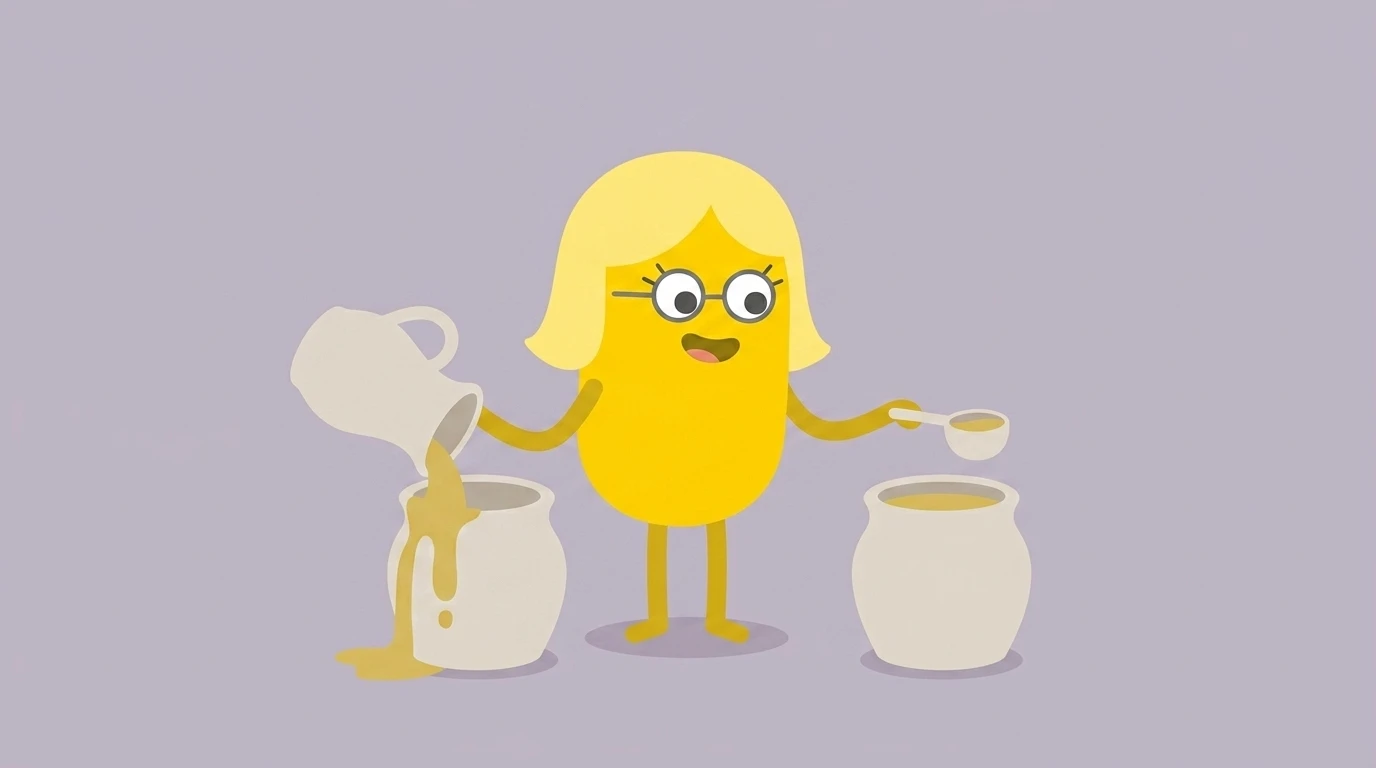
A study of fifth-graders using real classroom history material, not laboratory word lists, tested both retrieval practice and distributed practice directly in an actual school setting. Retrieval practice (repeated testing with accuracy feedback until students got the material fully correct) produced a clear advantage over simply re-reading the material. Interestingly, in this particular study, spacing out the sessions did not add a further significant benefit on top of retrieval practice alone, suggesting testing yourself is doing most of the heavy lifting, and the researchers noted that other approaches to distributing that practice may still be worth exploring.

The practical takeaway isn't that spacing doesn't matter. It's that if you can only build one habit, build retrieval practice first: stop rereading, start testing yourself, and give feedback on what you got wrong. Add spacing to that base and you are working with two evidence-backed methods stacked together rather than one.

How much of a difference does self-regulated learning make?

A nationwide study of 88,149 adolescents in China examined how self-regulated learning, the ability to set goals, monitor your own progress, and adjust your approach, relates to academic achievement. Self-regulated learning was significantly and positively associated with achievement, and the researchers found this relationship ran partly through academic emotions: the more effectively students regulated their own learning, the more positive their emotional experience of studying became, which in turn supported achievement further. The study describes this as a cycle rather than a one-way effect: better self-regulation improves emotional experience, and a more positive emotional experience supports better self-regulation.

What this means practically is that a study method is not just a technique, it's a feedback loop. Testing yourself and spacing your sessions gives you accurate, frequent evidence of what you actually know, rather than the vague sense of familiarity re-reading produces. That accurate feedback is itself part of what makes the method work, because it lets you adjust your effort toward what you're actually getting wrong instead of what you assume you're getting wrong.

How do I build a study session that uses both methods?

Start with active recall before you open your notes. Take a blank page and write down everything you remember about the topic, cold. Only after that do you check your notes, and only to fill the specific gaps you found. This single change, testing before reviewing rather than reviewing then testing, is the difference between retrieval practice and re-reading dressed up as retrieval practice.

Then build a spacing schedule instead of a single review block. If an exam is three weeks out, that means short review sessions on the material at increasing intervals, not one long session the week before. A rough version: review new material the next day, again three to four days later, and again about a week after that. Each review should start with the same blank-page recall step before checking notes.

Turn every reading assignment into questions before you start. Skim the headings and subheadings, convert each one into a question ("what causes this," "how does this differ from X"), and read specifically to answer it. This forces retrieval-style engagement even during first-pass reading, instead of passive absorption.

Track what you get wrong, not what you get right. The gaps identified through self-testing are the actual curriculum for your next session. Reviewing material you already know well feels productive and accomplishes very little; targeting what you consistently miss is where the study time earns its return.

Building the habit that makes this stick

The methods here are simple to describe and genuinely hard to keep doing on your own, because the whole point is testing yourself on things you might get wrong, which is less comfortable than rereading familiar material. A structured daily check-in with other people working toward the same goal gives you the external accountability that turns "I should study this way" into a routine you actually follow. Set a study session for tomorrow, structure it around retrieval before review, and start building the record of what you know instead of what feels familiar.

Next time you search, our newest guide shows up.

Sources

Far transfer of retrieval-practice benefits: rule-based learning as the underlying mechanismResearch
Opitz B & Kubik V
Cognitive research: principles and implications (2024 Oct 8). PMID 39379748.
The Distributed Practice Effect on Classroom Learning: A Meta-Analytic Review of Applied ResearchResearch
Mawson RD & Kang SHK
Behavioral sciences (Basel, Switzerland) (2025 Jun 3). PMID 40564553.
Retrieval practice enhances learning in real primary school settings, whether distributed or notResearch
Franzoi L et al.
Frontiers in psychology (2025). PMID 40861368.
The relationship between adolescents' self-regulated learning and academic achievement: an interrelated mediation model of academic emotions: evidence from a nationwide sample in ChinaResearch
Sun R & Zhang S
Frontiers in psychology (2026). PMID 41815258.

Topics

Study Skillsretrieval-practicespaced-repetitionexam prepacademic achievement

AI-ready summary

Most study advice is guesswork. Two methods have decades of controlled evidence behind them, and neither is re-reading your notes.

Related Challenges & Plans

Learnchallenge

Learn Daily Check-in

Intro challenge with 5-minute daily check-ins. Build consistency with studying, writing, test prep, or creative skills alongside peers.

GetMotivated.ai
Created by GetMotivated.ai
10 min3×/week21dL1

Keep reading

Illustration for the article: How to Avoid Distraction While Studying: What the Research Actually Shows
August 28, 20267 min readHabits & Behavioral Change

How to Avoid Distraction While Studying: What the Research Actually Shows

The advice to eliminate every distraction is wrong. Research on 2,467 students shows where the real damage happens, and it isn't your desk.

focusstudydistractionconcentration
Rachel SteinRead →
Illustration for the article: How to Increase Concentration for Studies: The Attention-Training Method
August 27, 20268 min readHabits & Behavioral Change

How to Increase Concentration for Studies: The Attention-Training Method

Concentration is trainable. Attention training cut mind-wandering in 5 studies of 304 people. Here's what works for studying.

concentrationfocusstudyingAttention
Rachel SteinRead →
Illustration for the article: How to Stop Phone Addiction: What the Research Actually Says
August 26, 20268 min readHabits & Behavioral Change

How to Stop Phone Addiction: What the Research Actually Says

Deleting apps rarely works because low mood usually comes first. Research on 584 students shows what actually drives phone addiction, and what helps.

phone addictionsmartphone usescreen timeburnout
Dana KimRead →
GetMotivated.ai

Behavioral health. Built with intention.

Structured support for ADHD, chronic health, recovery, focus, and long-term change.

Stay in the loop

Research, program launches, and behavioral health insights. Only useful updates.

By joining, you agree to receive emails from GetMotivated.ai. Unsubscribe anytime. See our Privacy Policy.

Explore

  • Browse Plans & Challenges
  • Challenges
  • ADHD Support
  • Health Support
  • Recovery Support
  • Blog
  • Creators
  • Sources
  • Tools
  • How It Works
  • Pricing

Topics

  • Focus
  • Habits
  • Work
  • Learn
  • Health
  • Life

Company

  • About
  • Contact
  • How We Research
  • Our Guarantee
  • Privacy
  • Terms

Work With Us

  • For Organizations
  • For Behavioral Health
  • For Education
  • Careers
  • Affiliates
  • Partners
  • Sponsors
Explore+
  • Browse Plans & Challenges
  • Challenges
  • ADHD Support
  • Health Support
  • Recovery Support
  • Blog
  • Creators
  • Sources
  • Tools
  • How It Works
  • Pricing
Topics+
  • Focus
  • Habits
  • Work
  • Learn
  • Health
  • Life
Company+
  • About
  • Contact
  • How We Research
  • Our Guarantee
  • Privacy
  • Terms
Work With Us+
  • For Organizations
  • For Behavioral Health
  • For Education
  • Careers
  • Affiliates
  • Partners
  • Sponsors

© 2026 GetMotivated.ai. All rights reserved.

PrivacyTerms

Calm structure. Clear next steps. Human accountability.