GetMotivated.ai Logo
How It WorksBlogLog in
  1. Home
  2. /
  3. Blog
  4. /
  5. How to Improve Self-Control
September 18, 20265 min readHabits & Behavioral Change

How to Improve Self-Control

Self-control is not a personality trait or a system you build once. Research shows it behaves like a resource that depletes, refills, and shifts with the time of day.

Rachel Stein

Last reviewed: August 2026

Illustration for the article: How to Improve Self-Control

What is self-control, and how is it different from discipline?

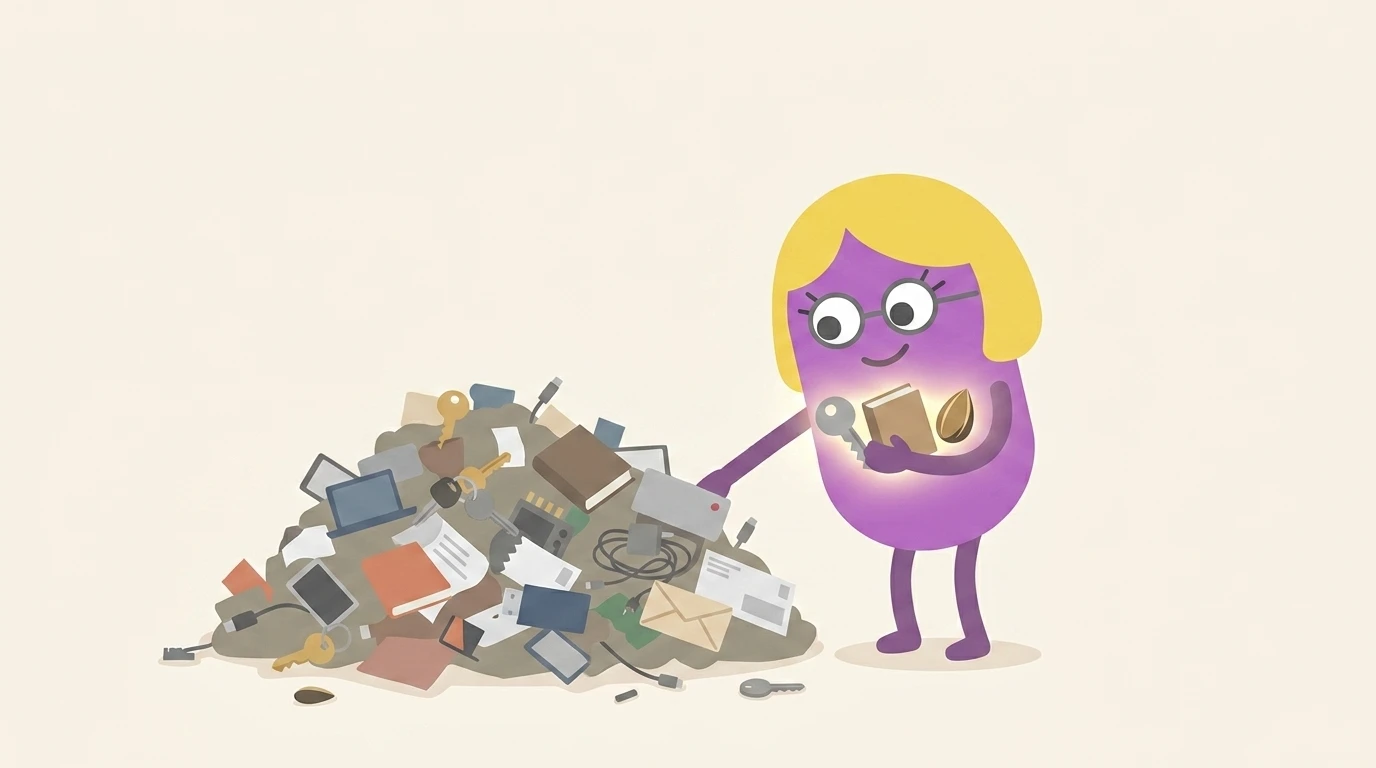
Self-control is the internal resource you draw on in a specific moment to resist an impulse or push through discomfort. Discipline is the external structure you build so you need to draw on that resource less often. They are related, but they are not the same thing, and research on academic procrastination treats them as distinct mechanisms rather than two words for the same trait. A study of 951 college students measured self-control resource depletion directly, as a state that fluctuates, and found it functioned as a mediating pathway between other factors and procrastination, not as a fixed trait a person either has or lacks. This article is about that internal resource: what drains it, what refills it, and why it runs low even when your systems and schedules are otherwise solid.

Why does self-control feel strong some days and gone by evening on others?

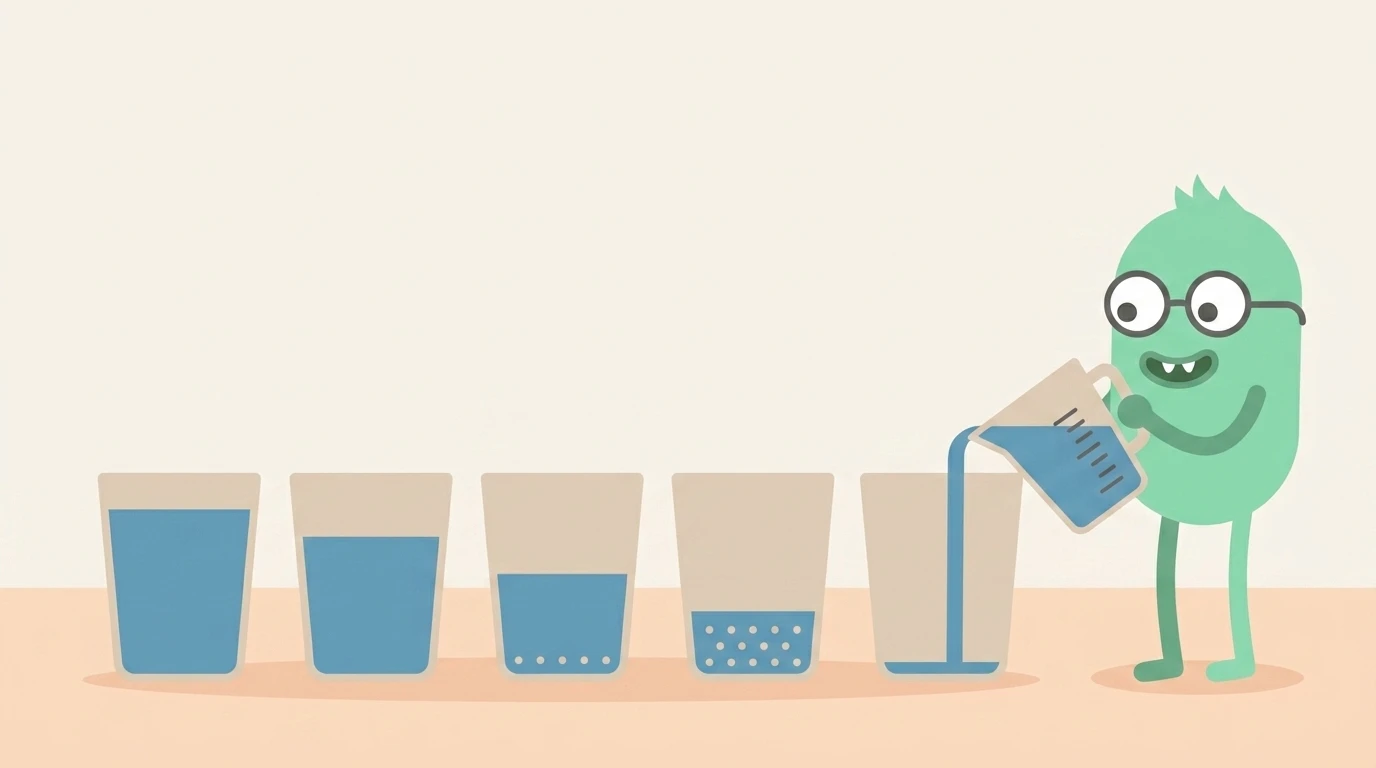
Because it behaves like a resource that gets used up, not like a switch that stays in one position. The study of 951 college students found that perceived physical literacy, a person's sense of their own physical competence and activity level, was significantly correlated with lower self-control resource depletion, and that this depletion in turn partially explained academic procrastination. Self-control resource depletion alone accounted for over 20% of the total effect linking physical literacy to procrastination. That is a measurable, resource-like dynamic: something replenishes it, something drains it, and the amount available on a given day shapes what you can actually resist.

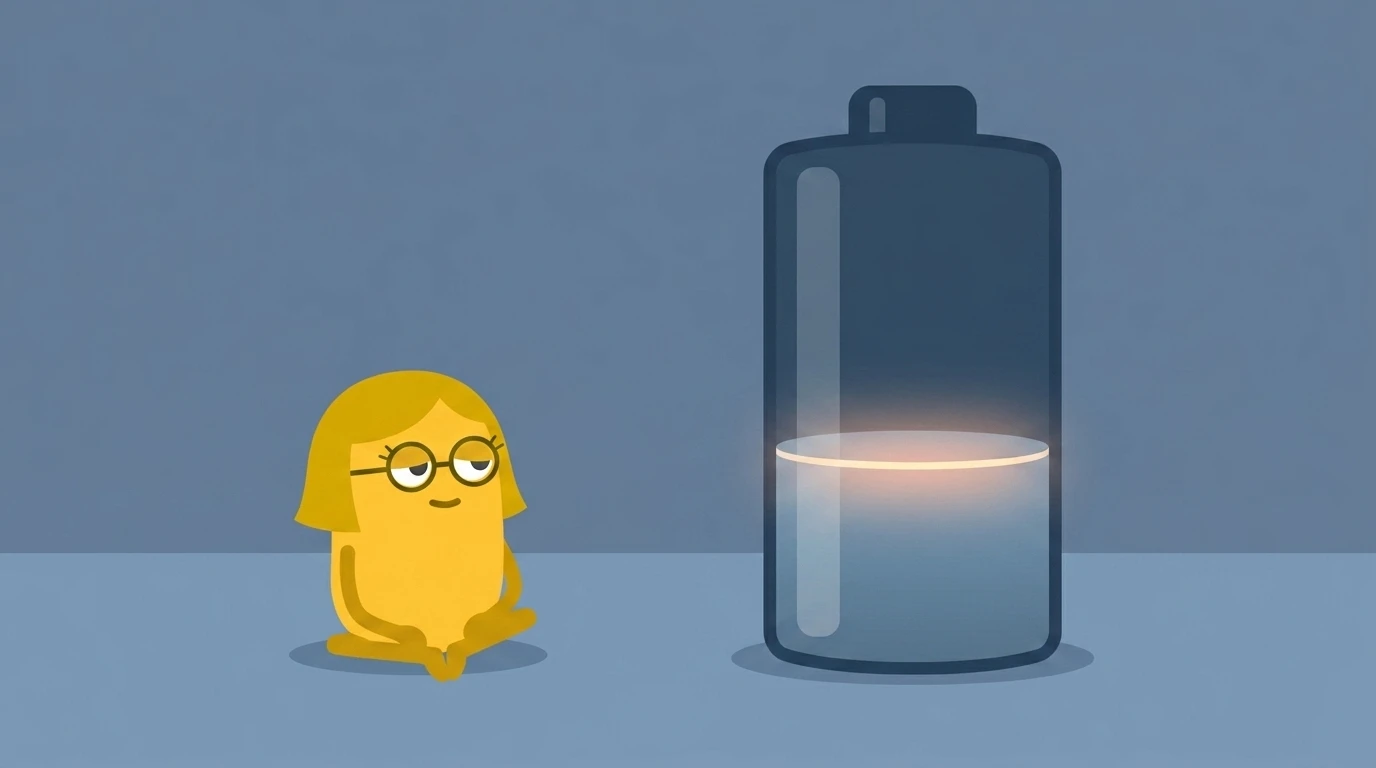
This reframes the guilt a lot of students feel when self-control fails at 9 p.m. after holding all day. It is not evidence of weak character showing up late. It is closer to running a battery down over the course of a day that demanded a lot from it.

Does physical activity actually rebuild self-control, or is that just intuition?

The evidence points to yes, and the mechanism runs through resource depletion specifically. In the same study of 951 students, perceived physical literacy was significantly negatively correlated with both academic procrastination and self-control depletion, while it was positively correlated with psychological resilience. Physical literacy predicted lower procrastination directly, and the effect also ran indirectly through reduced self-control depletion and increased resilience, with both pathways operating together as a chain.

The practical read is that physical activity is not a productivity trade-off where you spend an hour that could have gone to studying. Skipping physical activity to protect study time may be working against the exact resource that study time depends on. A body that has had some physical outlet appears to arrive at a study session with more self-control resource intact, not less.

Irrational Procrastination Scale (IPS-9)

Decide how true each statement is of you.

I put things off so long that my well-being or efficiency unnecessarily suffers.

1 of 9
Pick one to begin

Related Challenges & Plans

Lifechallenge

Reclaim Focus: Quit Porn

Reclaim your mental focus, energy, and self-control by quitting porn in this 30-day challenge with daily science-backed accountability.

Gabriele Oettingen
Based on Gabriele Oettingen · by GetMotivatedBuddies
10 min3×/week30dL2
Workchallenge

Work Daily Check-in

Intro challenge with 5-min daily check-ins. Get focused, follow through, and make progress on real work goals alongside peers.

GetMotivatedBuddies
Created by GetMotivatedBuddies
10 min3×/week21dL1

Does the time of day I try to use self-control matter?

Yes, and this is one of the more counterintuitive findings in the research. A study of 774 college students found a significant negative correlation between chronotype, meaning how much a person's natural rhythm leans toward morning or evening, and academic procrastination, with self-control and a person's sense of connection to their future self both acting as mediators in that relationship, both individually and as a linked chain. In other words, misalignment between when your body is naturally alert and when you are trying to demand self-control from yourself appears to erode the self-control available in that window.

This matters because a lot of study advice ignores timing entirely and treats all hours as interchangeable if you just have enough willpower. The chronotype research suggests the opposite: trying to force high-self-control work into a window that fights your natural rhythm is starting the task with less resource in the tank, not a personal failing when it goes worse than expected.

How does academic stress interact with self-control?

Stress and self-control pull against each other, but coping style determines how much damage that pull does. A survey of 2,720 middle school students found that academic stress was significantly negatively correlated with academic self-efficacy and with positive coping strategies, and positively correlated with negative coping strategies such as avoidance. Positive coping style accounted for nearly half of the total effect linking self-efficacy to lower stress. Negative coping, the avoidant kind, accounted for a smaller but still significant share driving stress upward.

Self-control resource and coping style are closely linked in practice. A depleted self-control resource makes avoidant coping more likely, because avoidance takes less effort in the moment than facing the stressor directly. That avoidance then compounds stress, which further drains the resource. Breaking that loop is less about trying harder in the moment of avoidance and more about the conditions that determine how much resource you have before the moment arrives.

Does ADHD change how self-control and motivation work together?

For some people, yes, and the research points to specific mechanisms rather than a blanket deficit. A preregistered survey of 640 adults examined how ADHD symptoms relate to procrastination through motivation, goal orientation, and emotion regulation. The study tested established procrastination theories, including temporal motivation theory, which holds that a task's perceived value and how far away its deadline feels both shape whether someone acts on it now or later. For adults with more ADHD symptoms, these motivational and emotional regulation pathways functioned differently, which changed how procrastination showed up rather than simply making self-control uniformly weaker across the board.

The takeaway is not that self-control operates on completely different rules for everyone with ADHD, but that the standard advice, built around neurotypical assumptions about steady willpower reserves, may target the wrong lever for some people. Emotion regulation and how immediate a deadline feels can matter more than generic willpower advice accounts for.

What actually rebuilds self-control day to day?

Protect physical activity instead of cutting it under time pressure. Given the direct link between physical literacy and reduced self-control depletion, even a short walk or brief exercise session before a demanding study block is functioning as resource maintenance, not a distraction from the real work.

Align demanding tasks with your natural rhythm where you can. If you know you are sharper in the morning, protect that window for the tasks requiring the most self-control, and shift lower-stakes review to whatever time of day tends to run down your reserve.

Build in recovery after high-stress stretches, not just after physical effort. Since academic stress and negative coping compound self-control depletion, a stretch of high-pressure days needs deliberate recovery afterward the same way a hard physical training block would, or the depletion carries forward into the next demanding task.

Notice avoidance as a signal, not a failure. When you catch yourself avoiding a task, that is often information that your self-control resource is already low, not evidence you lack discipline. Treating it as a signal to recover rather than a moral failing changes what you do next.

Treating self-control as something you maintain

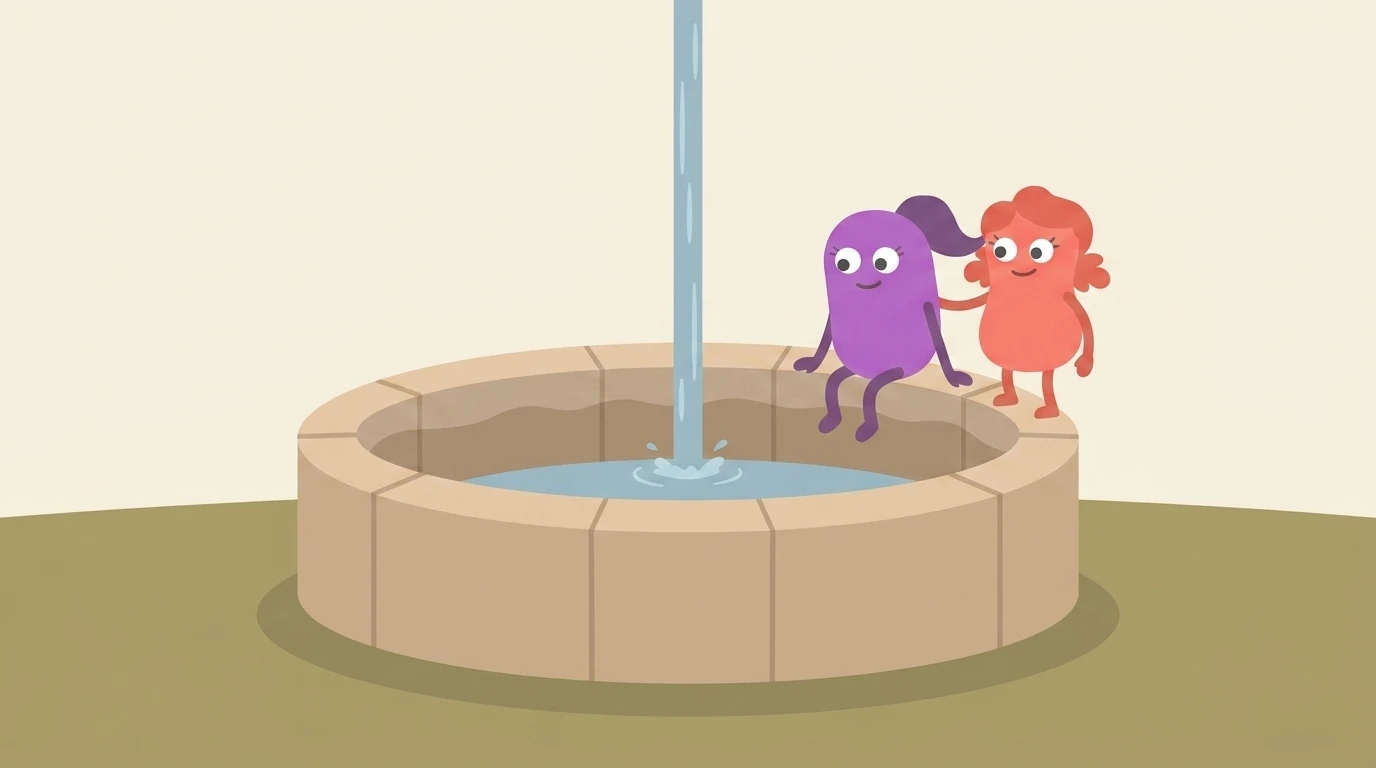
Self-control is not a personality trait you either have or lack, and it is not the same job as building better systems around yourself. It is a resource that responds to how you sleep, move, and time your effort, and it recovers when you give it the conditions to. Protect physical activity instead of cutting it, work with your natural rhythm instead of against it, and treat the next moment of avoidance as a signal to recover rather than a verdict on your character.

Next time you search, our newest guide shows up.

Sources

Mediation of coping style between academic self-efficacy and academic stress in middle school studentsResearch
Sun P et al.
Frontiers in psychology (2025). PMID 41058893.
Perceived physical literacy and academic procrastination among college students: a chain mediation model of self-control resource depletion and psychological resilienceResearch
Zhang W et al.
Frontiers in psychology (2026). PMID 41969893.
Chronotype and academic procrastination: the chain mediating role of future self-continuity and self-controlResearch
Song J et al.
BMC psychology (2025 Dec 22). PMID 41430722.
What Are You Waiting For?! Roles of Motivation, Goal Orientation, and Emotion Regulation in Explaining the Link Between ADHD and ProcrastinationResearch
Ruth Netzer Turgeman & Yehuda Pollak
This document describes the automated security check performed by PubMed Central to verify a user's browser. It outlines the redirection process and the time-based protocol used to ensure secure access to the site.

Topics

self-controlSelf-regulationacademic-stressprocrastinationStudy Skillshabits

AI-ready summary

Self-control is not a personality trait or a system you build once. Research shows it behaves like a resource that depletes, refills, and shifts with the time of day.

Related Challenges & Plans

Lifechallenge

Reclaim Focus: Quit Porn

Reclaim your mental focus, energy, and self-control by quitting porn in this 30-day challenge with daily science-backed accountability.

Gabriele Oettingen
Based on Gabriele Oettingen · by GetMotivatedBuddies
10 min3×/week30dL2
Workchallenge

Work Daily Check-in

Intro challenge with 5-min daily check-ins. Get focused, follow through, and make progress on real work goals alongside peers.

GetMotivatedBuddies
Created by GetMotivatedBuddies
10 min3×/week21dL1

Keep reading

Illustration for the article: How to Study Effectively in a Short Time
September 17, 20265 min readHabits & Behavioral Change

How to Study Effectively in a Short Time

When the exam is close and the hours are gone, most of what you would normally do does not fit anymore. Here is what the research says actually survives compression.

Study Skillsexam prepprocrastinationtime management
Rachel SteinRead →
How to Get Motivated When You Have No Energy
September 16, 20265 min readAddiction Recovery

How to Get Motivated When You Have No Energy

The exhaustion in early recovery isn't a motivation problem, it's a measurable dip in attention and reward response that fades as sleep and the brain's reward system stabilize.

recoveryaddiction recoveryfatiguesleep
Dana KimRead →
Illustration for the article: How to Study Effectively for Long Hours
September 16, 20265 min readHabits & Behavioral Change

How to Study Effectively for Long Hours

Hour six of a study session is not hour one. Mental fatigue changes what your brain can do, and the research shows exactly what breaks down first and how to protect it.

Study Skillsmental-fatiguefocusexam prep
Rachel SteinRead →
GetMotivated.ai

Behavioral health. Built with intention.

Structured support for ADHD, chronic health, recovery, focus, and long-term change.

Stay in the loop

Research, program launches, and behavioral health insights. Only useful updates.

By joining, you agree to receive emails from GetMotivated.ai. Unsubscribe anytime. See our Privacy Policy.

Explore

  • Browse Plans & Challenges
  • Challenges
  • ADHD Support
  • Health Support
  • Recovery Support
  • Blog
  • Creators
  • Sources
  • Tools
  • How It Works
  • Pricing

Topics

  • Focus
  • Habits
  • Work
  • Learn
  • Health
  • Life

Company

  • About
  • Contact
  • How We Research
  • Our Guarantee
  • Privacy
  • Terms

Work With Us

  • For Organizations
  • For Behavioral Health
  • For Education
  • Careers
  • Affiliates
  • Partners
  • Sponsors
Explore+
  • Browse Plans & Challenges
  • Challenges
  • ADHD Support
  • Health Support
  • Recovery Support
  • Blog
  • Creators
  • Sources
  • Tools
  • How It Works
  • Pricing
Topics+
  • Focus
  • Habits
  • Work
  • Learn
  • Health
  • Life
Company+
  • About
  • Contact
  • How We Research
  • Our Guarantee
  • Privacy
  • Terms
Work With Us+
  • For Organizations
  • For Behavioral Health
  • For Education
  • Careers
  • Affiliates
  • Partners
  • Sponsors

© 2026 GetMotivated.ai. All rights reserved.

PrivacyTerms

Calm structure. Clear next steps. Human accountability.