Exercise: The Highest-Evidence Intervention
A systematic review by Sharma and Couture found that aerobic exercise directly increases dopamine and norepinephrine availability in the prefrontal cortex — the exact neurological deficit underlying ADHD. Thirty minutes of moderate-to-vigorous aerobic exercise produces ADHD symptom improvements that last 4-6 hours.
This is why exercise isn't a lifestyle add-on for ADHD — it's a pharmacological-level intervention. During a dopamine reset, replacing morning screen time with a 30-minute run isn't just behavioral swapping. It's replacing a dopamine source that creates a crash with one that sustains cognitive function.
Key Stat: A 2015 systematic review found that a single session of aerobic exercise produces immediate improvements in attention, inhibitory control, and working memory in children and adults with ADHD — comparable in effect size to stimulant medication for some individuals. — Source: Sharma & Couture (2015)
Cold Exposure: Fast, Stackable, No Crash
For ADHD, this matters practically. A two-minute cold shower in the morning can provide a neurochemical foundation for the first hours of work — without the crash that leads back to the phone at 10 AM. It's uncomfortable enough to satisfy the ADHD brain's need for intensity, but the payoff is real cognitive function rather than more scrolling.
Replacing, Not Just Removing
The most important principle for ADHD dopamine detox: you cannot simply remove a behavior without replacing the neurological function it served. People without ADHD can sit in a quiet room and feel peaceful. ADHD brains will almost immediately seek stimulation — and if a low-quality source is removed without a high-quality alternative available, the ADHD brain will find the nearest available option.
A practical replacement menu, ranked by dopamine quality:
The key is that the replacement needs to be pre-decided and immediately accessible. ADHD executive function cannot generate these decisions in the moment when the dopamine urge hits.
The Accountability Problem — Why Solo Detox Fails for ADHD
Here's what the ATP data reveals about how ADHD adults research dopamine detox: "dopamine detox reddit" is searched 880 times a month. People aren't just looking for information — they're looking for other people who are doing this with them.
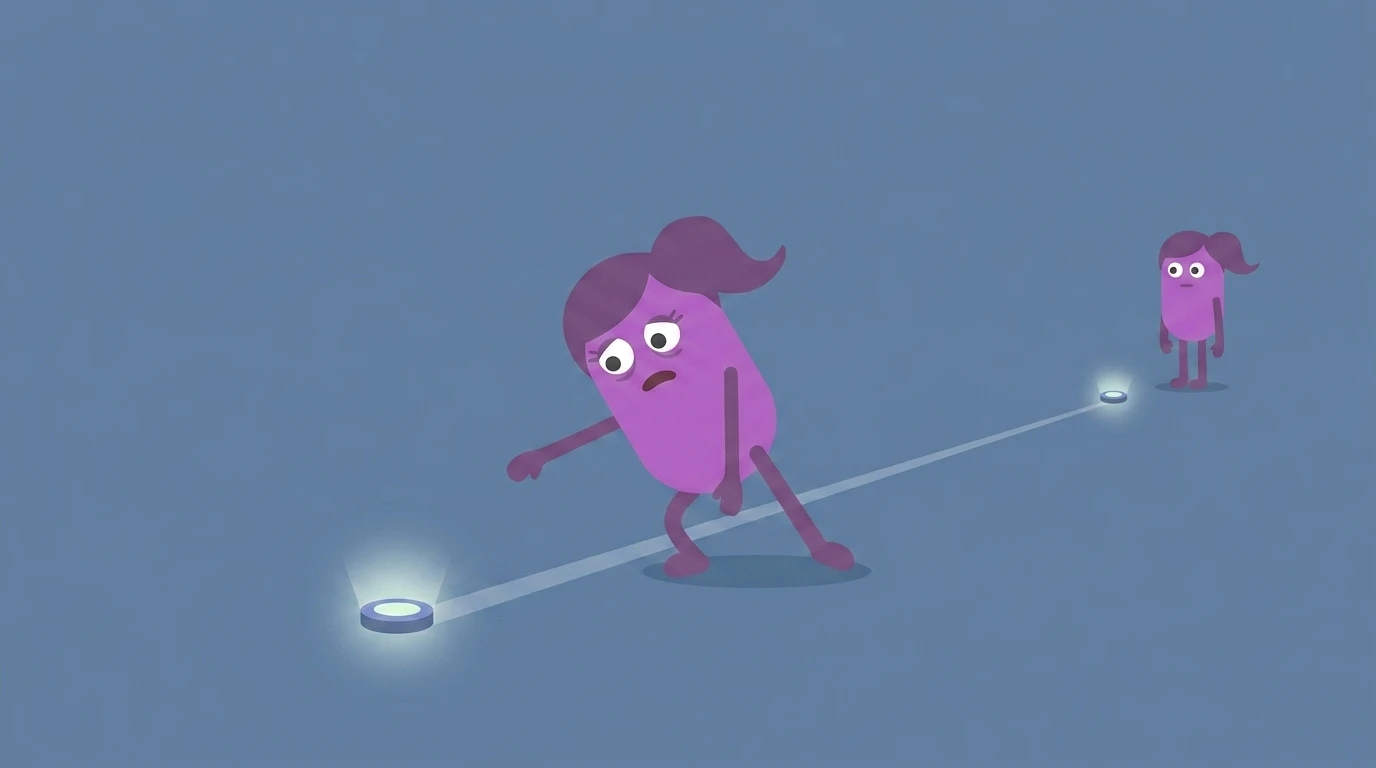
This isn't coincidence. Solo willpower is one of ADHD's greatest challenges. Intention-action gaps are neurological, not moral failures. Most ADHD adults can start a dopamine detox. Sustaining it past hour three without external accountability is a different matter entirely.
Research on accountability structures shows that having a specific person to report progress to dramatically increases follow-through for behavior change goals. For ADHD, this effect is amplified — the external expectation provides a neurological substitute for the internally generated motivation that the ADHD brain struggles to sustain.
Apps like the Dopamine Detox iOS app and Dopamine Detox: Bad Habits on Android provide reminders and tracking, which helps with the "remembering to stick to the plan" part. But tracking alone doesn't address accountability to another person — and for ADHD, that social layer is often what makes the difference.
GetMotivated.ai approaches this directly. The platform's buddy matching pairs you with someone working on the same behavior change goal — not a random forum post, but a consistent check-in partner who expects to hear from you. The group challenge format means everyone in your cohort is doing the same reset simultaneously, which does two things: it normalizes the difficulty (because you're not suffering alone) and it creates the social accountability layer that ADHD brains respond to.
Platforms like GetMotivated.ai address the single biggest failure point in ADHD behavior change — not information or intention, but the structure that bridges intention to action, consistently, past day one.
A Practical Starting Protocol for ADHD
Rather than a single-day total detox (which is almost guaranteed to fail for ADHD), a graduated 7-day approach works better:
Days 1-2 (Awareness): Track your current dopamine habits without changing them. When do you reach for the phone? What are you avoiding? Log it — even a note app works. This builds the pattern recognition you'll need.
Days 3-4 (Substitution): Replace one major low-quality source with a high-quality alternative. If evening scrolling is the target, replace it with a walk or a creative project. Don't touch the other habits yet.
Days 5-7 (Expansion): Add a second substitution. Morning scroll → morning walk or cold shower. Add an accountability partner or join a structured challenge to extend beyond day seven.
The 7-day structure matters for ADHD because it provides the external scaffolding that the ADHD executive function cannot generate internally. Seven days is also long enough to start experiencing the genuine benefits — improved sleep, better focus baseline, less emotional reactivity — which makes continued motivation easier.
How GetMotivated.ai Supports the Full Dopamine Reset
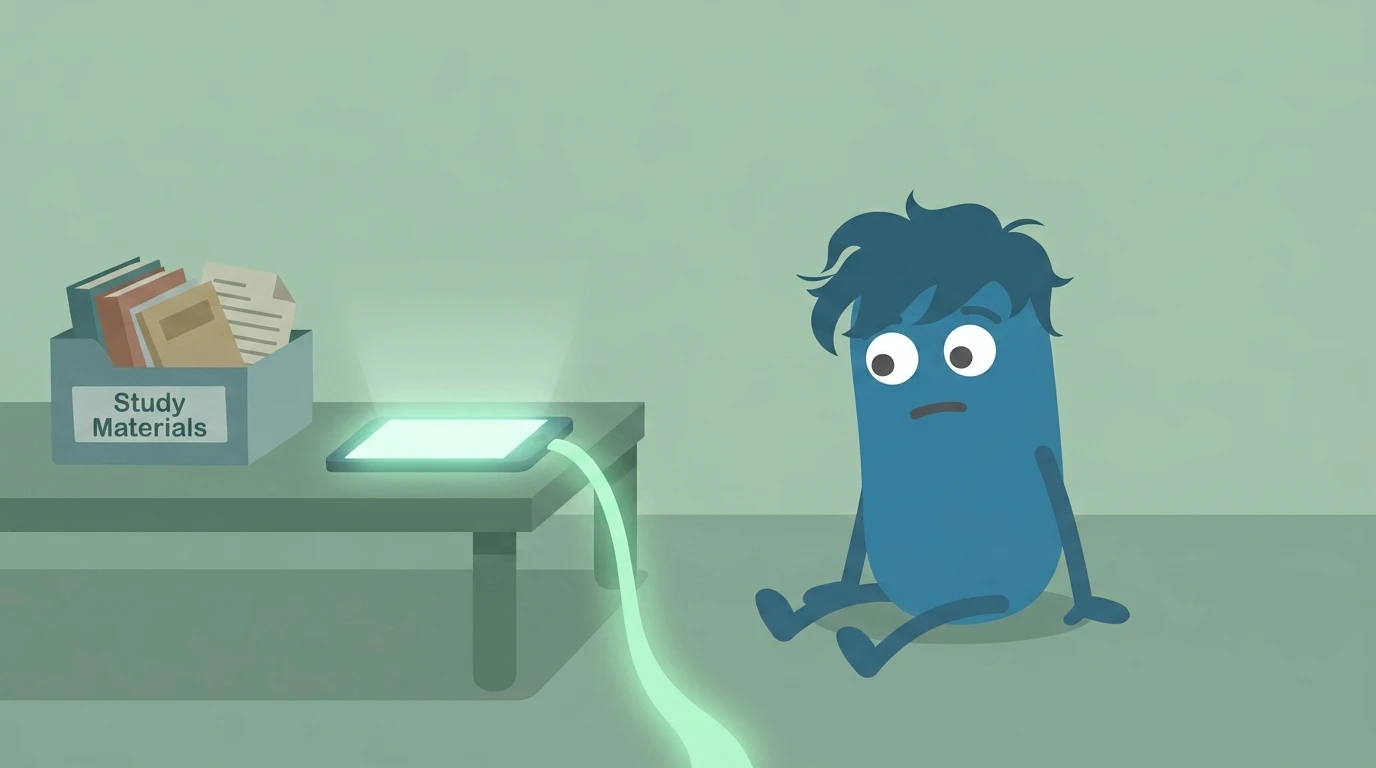
The reality for most ADHD adults is that a solo dopamine detox will last until the first moment of boredom, stress, or decision fatigue — and then the phone reappears. This isn't a character flaw. It's exactly what the research predicts for a brain that struggles with self-generated motivation and executive control.
GetMotivated.ai's structured dopamine detox challenges provide the missing infrastructure: daily structure (you know exactly what you're doing and when), buddy accountability (someone is checking in), and a cohort of people doing it simultaneously (normalization plus social motivation). This is how the ADHD brain is most likely to get seven days in and decide it wants thirty.
If you're considering a dopamine detox, don't start with a blank day. Start with a structure.