GetMotivated.ai Logo
How It WorksBlogLog in
  1. Home
  2. /
  3. Blog
  4. /
  5. ADHD Motivation: Why Interest Moves You When Willpower Doesn't
August 9, 20269 min readADHD & Neurodivergence

ADHD Motivation: Why Interest Moves You When Willpower Doesn't

ADHD motivation runs on interest, autonomy, and connection more than on deadlines or willpower. Here's what the dopamine and self-determination theory research actually shows — and how to use it instead of fighting it.

The GetMotivated.ai Team

Last reviewed: August 2026

Illustration for the article: ADHD Motivation: Why Interest Moves You When Willpower Doesn't

ADHD Motivation: Why Interest Moves You When Willpower Doesn't

ADHD motivation runs on interest, autonomy, and connection far more than on deadlines, consequences, or sheer willpower — and that isn't a character flaw, it's how the ADHD brain's reward system actually works. Brain-imaging research and self-determination theory studies both point to the same conclusion from different directions: some people call the pattern an "interest-based nervous system," and the research explains why that label fits.

If you've ever produced brilliant work under a deadline you cared about and then completely stalled on a task you knew mattered just as much, this is why. Here's what the research says about ADHD motivation, and how to work with it instead of white-knuckling through it.

The Dopamine Piece: Why "Just Try Harder" Doesn't Work

The clearest biological evidence comes from brain imaging. A PET imaging study measuring dopamine transporter and D2/D3 receptor availability compared 53 unmedicated adults with ADHD to 44 healthy controls. It found reduced dopamine markers in the brain's reward circuitry — specifically the nucleus accumbens and midbrain — and, critically, that this reduction correlated with self-reported inattention and motivation symptoms, not with hyperactivity or impulsivity. It's one of the earliest and most-cited direct neuroimaging links between ADHD and a blunted reward pathway.

That finding matters because it locates the problem somewhere other than character. A brain that under-responds to the ordinary, low-grade reward signal most people get from routine progress — checking off a task, making headway on a project — isn't going to be motivated into action by the same tools that work for a typical reward system. Telling someone with this kind of reward-pathway difference to "just push through it" is a bit like telling someone with a hearing difference to "just listen harder." The system itself needs a different kind of signal.

Adult ADHD Self-Report Scale v1.1 Part A Screener (ASRS-v1.1 Part A)

How often has this happened over the past 6 months?

How often do you have trouble wrapping up the final details of a project, once the challenging parts have been done?

1 of 6
Pick one to begin

What ADHD Motivation Actually Responds To

If deadlines and consequences don't reliably move the needle, what does? A narrative review on motivation in ADHD makes an important observation: most ADHD motivation research has historically focused on how external reinforcement — rewards and punishments — shapes behavior, while largely under-studying internal motives, meaning what a person actually wants and values.

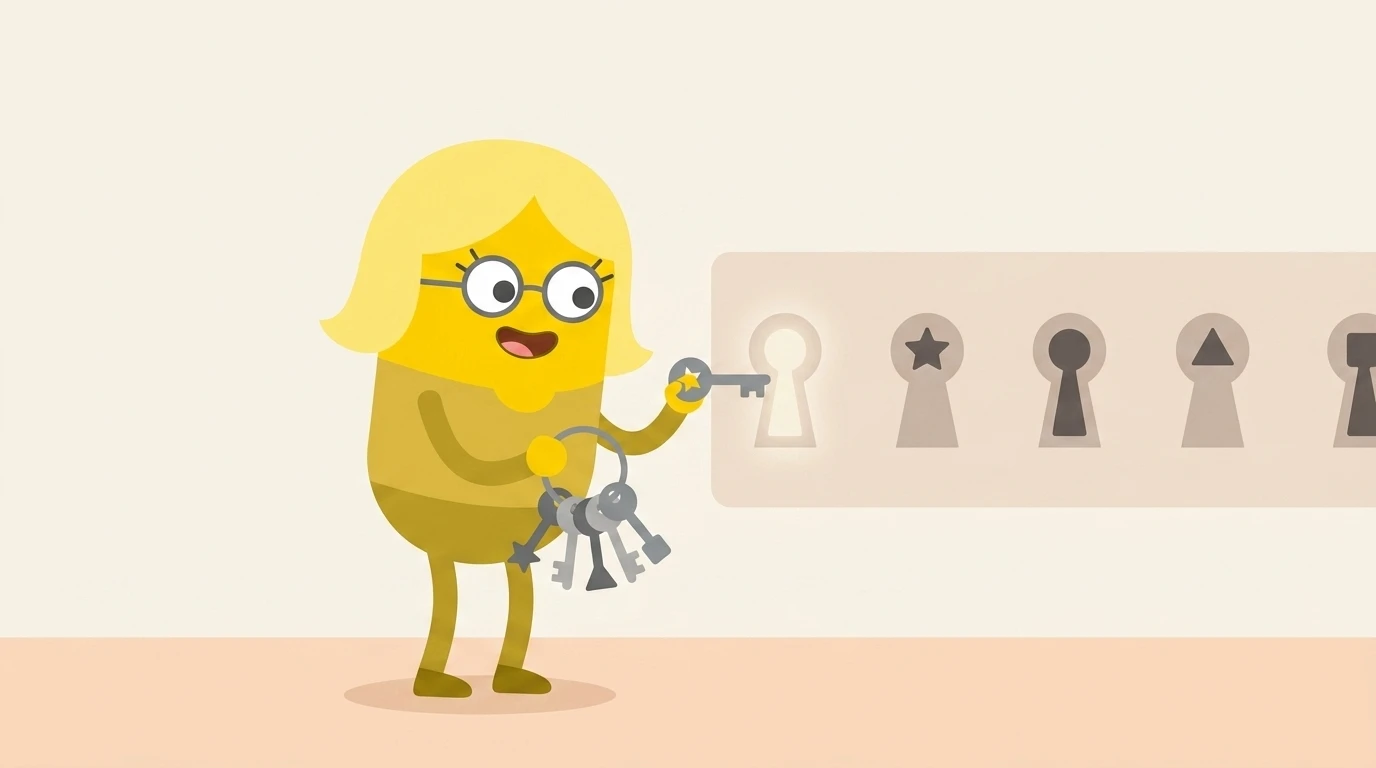
The review brings in self-determination theory (SDT) as a better framework, built around three basic psychological needs:

  • Autonomy — feeling like an action is genuinely your choice, not imposed on you.
  • Competence — feeling capable of doing the task well.
  • Relatedness — feeling connected to other people around the task or its outcome.

Self-determination theory didn't originate as an ADHD-specific framework — it's a broader theory of human motivation. What this review contributes is the argument that it fits ADHD's motivation problems unusually well, because it explains motivation as something that has to be actively supplied by the conditions around a task, rather than something a person either has or lacks as a fixed trait. That reframing shifts the question from "why can't I make myself want to do this" to "which of these three needs is this particular task failing to meet."

According to this research, ADHD engagement rises sharply for tasks that are autonomy-supportive or personally interesting, and collapses for tasks that are externally imposed and low-interest — even when the low-interest task is, by any objective measure, more important. That's the mechanism behind the pattern so many people with ADHD recognize: acing a passion project with zero deadline pressure, then stalling completely on a five-minute form because nothing about it feels like a choice, a challenge, or a connection to anyone.

Related Challenges & Plans

Lifechallenge

Clean Any Room in 5 Steps with Ann Russell

Clean any room with Ann Russell’s 5-step method. A direct, realistic 14-day plan for building cleaning habits that actually stick.

Ann Russell
In partnership with Ann Russell · by GetMotivatedBuddies
10 min3×/week14dL1
Lifechallenge

Reclaim Focus: Quit Porn

Reclaim your mental focus, energy, and self-control by quitting porn in this 30-day challenge with daily science-backed accountability.

Gabriele Oettingen
Based on Gabriele Oettingen · by GetMotivatedBuddies
10 min3×/week30dL2
Lifeplan

10-Day ADHD Habit Reset Plan: Stop the Cycle of Schedule Rebellion

Bypass executive function resistance and stop 'schedule rebellion' with a 10-day plan built specifically for the ADHD brain.

G
GetMotivated.ai
10 min3×/week10dL1
Lifeplan

14-Day RSD Toolkit: Stop the Emotional Spiral Plan

Master your response to perceived rejection and reclaim your confidence with this science-backed 14-day emotional regulation plan.

GetMotivated.ai
Created by GetMotivated.ai
10 min3×/week14dL2

Why "Just Care More" Doesn't Work

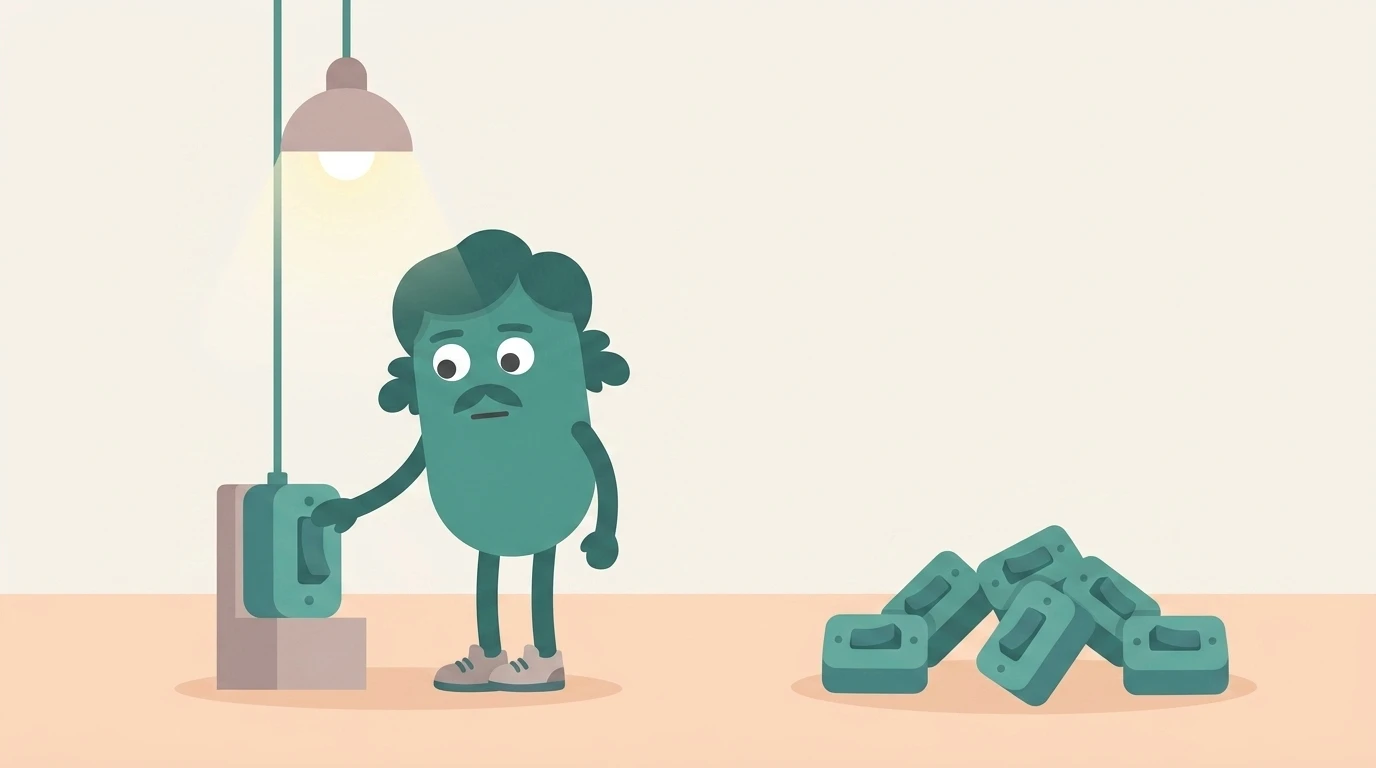
This is where the term "interest-based nervous system" tends to get used informally, and the research explains why the label resonates even though it's shorthand rather than a formal clinical term. The point isn't that people with ADHD don't care about the outcome of a task — most care intensely, sometimes more than the situation calls for. The point is that caring about an outcome and generating the internal signal needed to act on it are two different processes, and the second one is the one that runs differently in ADHD.

That distinction explains a specific kind of frustration a lot of people with ADHD describe: knowing exactly why a task matters, wanting to do it, and still not being able to start. It isn't a motivation deficit in the sense of not wanting things enough. It's closer to a mismatch between what the task offers (importance, a future consequence, someone else's expectations) and what an ADHD reward system reliably responds to (interest, autonomy, competence, and connection, happening now). A task can score high on the first list and zero on the second, and for an ADHD brain, the second list is doing most of the work.

It also explains why external pressure so often backfires. Piling on more deadline stress, more guilt, or more warnings about consequences adds weight to the "importance" side of the scale, which the ADHD reward system was already discounting. It does nothing for the "interest, autonomy, competence, connection" side, which is the side that actually moves the needle — and in the case of autonomy specifically, added pressure can make a task feel even more imposed, pushing engagement further in the wrong direction rather than closer to it.

The Behaviors Aren't the Problem — Unmet Needs Are

A theoretical paper extending self-determination theory to ADHD self-regulation takes this idea further. The authors argue that behaviors typically read as impulsive, unmotivated, or oppositional are better understood as attempts to meet unmet needs for connection, autonomy, and emotional feedback — not as evidence of low effort or bad character.

That reframe changes what "fixing" ADHD motivation actually looks like. If someone avoids a task because it feels imposed rather than chosen, the fix isn't more pressure — pressure makes the autonomy problem worse. If someone avoids a task because they don't feel capable of succeeding at it, the fix is a smaller, more achievable version of the task, not a bigger deadline. And if someone avoids a task because it feels isolating, the fix might be doing it alongside another person — which is part of why body doubling and accountability partnerships tend to work so well for ADHD follow-through, a pattern also covered in [our guide to executive dysfunction and ADHD](/blog/executive-dysfunction-adhd).

This same reward-system unevenness is closely related to ADHD hyperfocus: the flip side of a brain that struggles to engage with low-interest tasks is one that engages completely, sometimes too completely, with high-interest ones. Motivation and hyperfocus are two expressions of the same uneven reward system, not opposite traits — and the same [reset strategies that help with compulsive dopamine-chasing](/blog/dopamine-detox) can help restore sensitivity to the slower, quieter rewards of unglamorous tasks.

The Evidence That Building on This Actually Helps

This isn't just theory. A randomized feasibility study tested a neuroaffirmative, self-determination-theory-based psychosocial intervention for adults with ADHD. Rather than targeting symptom suppression, the intervention explicitly supported participants' autonomy, competence, and relatedness needs, and the trial evaluated feasibility, acceptability, and preliminary effects on motivation, self-regulation, and quality of life.

That a trial like this exists — and specifically measures feasibility and acceptability rather than assuming them — matters. It signals that supporting these three needs directly, instead of relying on willpower or generic productivity advice built for neurotypical motivation systems, is being taken seriously as an actual clinical approach, not just a reframing exercise. For readers weighing options, this kind of psychosocial, needs-based approach is also one of the strategies covered in [managing ADHD without medication](/blog/adhd-without-medication) — worth discussing with a clinician alongside, not necessarily instead of, other treatment.

Turning the Research Into a Way of Working

None of this means ADHD motivation is unmanageable — it means it responds to different levers than the ones most productivity advice assumes. A few ways to put the research into practice:

  • Add choice wherever you legitimately can. Even choosing the order of three required tasks, or which room to do a boring task in, supplies a small autonomy signal that a fully imposed task doesn't.
  • Shrink the task until competence feels realistic. If a task feels too big to succeed at, the avoidance isn't laziness — it's the competence need going unmet. Break it down until the next step feels genuinely doable.
  • Borrow relatedness on purpose. Doing a low-interest task alongside someone else, even virtually, supplies the connection signal that pure solo willpower can't.
  • Attach interest artificially when you can't find it naturally. Turning a boring task into a game, a race against a timer, or a shared challenge with someone else recruits the same novelty-and-interest response that naturally drives hyperfocus.
  • Stop treating stalled motivation as a character verdict. A task you're avoiding is giving you information about which of the three needs — autonomy, competence, or relatedness — isn't being met. Address that need directly instead of trying to muscle through with more pressure.

Used together, these levers do something a to-do list alone can't: they change the emotional temperature of the task itself, not just the pressure around it. A task that felt imposed, oversized, and isolating can become chosen, achievable, and shared — three small shifts that line up with exactly the needs the research identifies. None of this requires waiting for motivation to arrive first. The point of the research is that motivation, in ADHD, tends to follow the conditions rather than precede them: build the autonomy, competence, and connection first, and the engagement that looks like motivation from the outside tends to show up as a result.

Frequently Asked Questions

Why is motivation so different with ADHD? ADHD is linked to reduced dopamine markers in the brain's reward circuitry, and research has found this reduction correlates specifically with inattention and motivation symptoms, not with hyperactivity or impulsivity. That means ADHD motivation depends much more heavily on how interesting, urgent, or personally meaningful a task feels in the moment than on how important it objectively is.

What is the interest-based nervous system? It's a term used to describe how ADHD motivation appears to respond more strongly to interest, novelty, challenge, and urgency than to importance or consequences alone. Self-determination theory research supports this pattern from a different angle, showing ADHD engagement rises for autonomy-supportive, personally interesting tasks and drops sharply for externally imposed, low-interest ones.

What is self-determination theory and how does it apply to ADHD? Self-determination theory holds that motivation depends on meeting three basic psychological needs: autonomy (feeling like your actions are your own choice), competence (feeling capable), and relatedness (feeling connected to others). Research applying this framework to ADHD argues that behaviors often labeled impulsive or unmotivated are frequently attempts to meet these unmet needs, and that interventions built around supporting them show promise.

Can you improve ADHD motivation without medication? Medication is one evidence-supported option, but it isn't the only lever. A randomized feasibility study tested a psychosocial intervention explicitly built around supporting autonomy, competence, and relatedness rather than suppressing symptoms, and found it feasible and acceptable to adults with ADHD, with preliminary positive effects on motivation and self-regulation.

Is low ADHD motivation a willpower problem? No. The reward-pathway research indicates it's tied to how the ADHD brain's dopamine system responds to different kinds of tasks, not to a lack of discipline or effort. Reframing low-interest tasks to add autonomy, choice, or connection tends to work better than trying to force more willpower at the same task.

Why do I do great on interesting projects and completely stall on boring ones? This is a well-documented ADHD pattern rather than an inconsistency in character. Research on ADHD motivation shows engagement rises sharply for tasks that are autonomy-supportive or personally interesting and collapses for tasks that are externally imposed and low-interest, tracking the uneven way the ADHD reward system responds to different kinds of stimulation.

How GetMotivated.ai Can Help

The three needs the research points to — autonomy, competence, relatedness — map almost exactly onto what a good accountability structure provides: you choose your plan, you build competence through small daily wins, and a buddy supplies the connection that pure willpower never could. GetMotivated.ai is built around exactly that combination, giving motivation the conditions it actually needs to show up.

Next time you search, our newest guide shows up.

Sources

Evaluating Dopamine Reward Pathway in ADHD: Clinical ImplicationsResearch
Nora D. Volkow et al.
A landmark PET-imaging study showing adults with ADHD have reduced dopamine activity in brain reward circuits, tied specifically to motivation and inattention symptoms.
Studying Motivation in ADHD: The Role of Internal Motives and the Relevance of Self Determination TheoryResearch
Sarah Morsink et al.
A review proposing that ADHD motivation is best explained not just by external rewards but by unmet internal needs for autonomy, competence, and relatedness.
A Neuroaffirmative, Self-Determination Theory-Based Psychosocial Intervention for Adults With Attention-Deficit/Hyperactivity Disorder: Randomized Feasibility StudyResearch
Rebecca Elizabeth Champ et al.
A feasibility trial of an ADHD intervention built around supporting autonomy and interest rather than symptom suppression.
Seeking connection, autonomy, and emotional feedback: A self-determination theory of self-regulation in attention-deficit hyperactivity disorderResearch
Rebecca E. Champ et al.
The primary academic theory paper behind the idea that ADHD motivation runs on interest, connection, and autonomy rather than a generic willpower or reward deficit.

Topics

adhddopaminemotivationself-determination theory

AI-ready summary

ADHD motivation is driven more by interest, autonomy, and connection than by deadlines, consequences, or willpower, because ADHD is linked to reduced dopamine markers in the brain's reward circuitry that correlate specifically with inattention and motivation, not hyperactivity. Self-determination theory research reframes ADHD engagement around three needs — autonomy, competence, and relatedness — showing why tasks that feel personally chosen and genuinely interesting produce strong follow-through while externally imposed, low-interest tasks produce almost none. Early intervention research supports building on these needs directly, rather than relying on willpower or symptom suppression.

Key takeaways

  • PET imaging shows ADHD adults have reduced dopamine markers in reward circuitry that correlate with inattention and motivation symptoms specifically, not hyperactivity or impulsivity.
  • Self-determination theory reframes ADHD motivation around three basic needs — autonomy, competence, and relatedness — rather than around willpower or discipline.
  • ADHD engagement rises sharply for autonomy-supportive, personally interesting tasks and collapses for externally imposed, low-interest ones.
  • Behaviors often read as impulsive or unmotivated may be better understood as attempts to meet unmet needs for connection, autonomy, and emotional feedback.
  • A randomized feasibility trial found a self-determination-based intervention — one that supports autonomy and competence instead of targeting symptom suppression — was feasible and acceptable to ADHD adults.

FAQs

Why is motivation so different with ADHD?

ADHD is linked to reduced dopamine markers in the brain's reward circuitry, and research has found this reduction correlates specifically with inattention and motivation symptoms, not with hyperactivity or impulsivity. That means ADHD motivation depends much more heavily on how interesting, urgent, or personally meaningful a task feels in the moment than on how important it objectively is.

What is the interest-based nervous system?

It's a term used to describe how ADHD motivation appears to respond more strongly to interest, novelty, challenge, and urgency than to importance or consequences alone. Self-determination theory research supports this pattern from a different angle, showing ADHD engagement rises for autonomy-supportive, personally interesting tasks and drops sharply for externally imposed, low-interest ones.

What is self-determination theory and how does it apply to ADHD?

Self-determination theory holds that motivation depends on meeting three basic psychological needs: autonomy (feeling like your actions are your own choice), competence (feeling capable), and relatedness (feeling connected to others). Research applying this framework to ADHD argues that behaviors often labeled impulsive or unmotivated are frequently attempts to meet these unmet needs, and that interventions built around supporting them show promise.

Can you improve ADHD motivation without medication?

Medication is one evidence-supported option, but it isn't the only lever. A randomized feasibility study tested a psychosocial intervention explicitly built around supporting autonomy, competence, and relatedness rather than suppressing symptoms, and found it feasible and acceptable to adults with ADHD, with preliminary positive effects on motivation and self-regulation.

Is low ADHD motivation a willpower problem?

No. The reward-pathway research indicates it's tied to how the ADHD brain's dopamine system responds to different kinds of tasks, not to a lack of discipline or effort. Reframing low-interest tasks to add autonomy, choice, or connection tends to work better than trying to force more willpower at the same task.

Why do I do great on interesting projects and completely stall on boring ones?

This is a well-documented ADHD pattern rather than an inconsistency in character. Research on ADHD motivation shows engagement rises sharply for tasks that are autonomy-supportive or personally interesting and collapses for tasks that are externally imposed and low-interest, tracking the uneven way the ADHD reward system responds to different kinds of stimulation.

Related Challenges & Plans

Lifechallenge

Clean Any Room in 5 Steps with Ann Russell

Clean any room with Ann Russell’s 5-step method. A direct, realistic 14-day plan for building cleaning habits that actually stick.

Ann Russell
In partnership with Ann Russell · by GetMotivatedBuddies
10 min3×/week14dL1
Lifechallenge

Reclaim Focus: Quit Porn

Reclaim your mental focus, energy, and self-control by quitting porn in this 30-day challenge with daily science-backed accountability.

Gabriele Oettingen
Based on Gabriele Oettingen · by GetMotivatedBuddies
10 min3×/week30dL2
Lifeplan

10-Day ADHD Habit Reset Plan: Stop the Cycle of Schedule Rebellion

Bypass executive function resistance and stop 'schedule rebellion' with a 10-day plan built specifically for the ADHD brain.

G
GetMotivated.ai
10 min3×/week10dL1
Lifeplan

14-Day RSD Toolkit: Stop the Emotional Spiral Plan

Master your response to perceived rejection and reclaim your confidence with this science-backed 14-day emotional regulation plan.

GetMotivated.ai
Created by GetMotivated.ai
10 min3×/week14dL2

Keep reading

Motivation vs. Discipline: What Actually Predicts Follow-Through
September 8, 20265 min readHabits & Behavioral Change

Motivation vs. Discipline: What Actually Predicts Follow-Through

Motivation fades and willpower-style discipline runs out. What predicts follow-through is a system: specific if-then plans, routines that remove decisions, and protecting a limited resource instead of demanding more of it.

motivationself-controlhabit formationgoal setting
Rachel SteinRead →
ADHD Motivation: Why It Dies and What Restarts It
September 6, 20265 min readADHD & Neurodivergence

ADHD Motivation: Why It Dies and What Restarts It

ADHD motivation doesn't fade like ordinary motivation does. It collapses in a specific, researchable pattern, and the same research shows what brings it back.

adhdmotivationSelf-regulationEmotion Regulation
Rachel SteinRead →
Illustration for the article: How to Study With ADHD: A Different Method for a Different Brain
September 6, 20265 min readHabits & Behavioral Change

How to Study With ADHD: A Different Method for a Different Brain

Standard study advice assumes you can sit down and start on command. If your brain does not work that way, the advice was never going to work.

adhdStudy Skillsexecutive functiontask initiation
Rachel SteinRead →
GetMotivated.ai

Behavioral health. Built with intention.

Structured support for ADHD, chronic health, recovery, focus, and long-term change.

Stay in the loop

Research, program launches, and behavioral health insights. Only useful updates.

By joining, you agree to receive emails from GetMotivated.ai. Unsubscribe anytime. See our Privacy Policy.

Explore

  • Browse Plans & Challenges
  • Challenges
  • ADHD Support
  • Health Support
  • Recovery Support
  • Blog
  • Creators
  • Sources
  • Tools
  • How It Works
  • Pricing

Topics

  • Focus
  • Habits
  • Work
  • Learn
  • Health
  • Life

Company

  • About
  • Contact
  • How We Research
  • Our Guarantee
  • Privacy
  • Terms

Work With Us

  • For Organizations
  • For Behavioral Health
  • For Education
  • Careers
  • Affiliates
  • Partners
  • Sponsors
Explore+
  • Browse Plans & Challenges
  • Challenges
  • ADHD Support
  • Health Support
  • Recovery Support
  • Blog
  • Creators
  • Sources
  • Tools
  • How It Works
  • Pricing
Topics+
  • Focus
  • Habits
  • Work
  • Learn
  • Health
  • Life
Company+
  • About
  • Contact
  • How We Research
  • Our Guarantee
  • Privacy
  • Terms
Work With Us+
  • For Organizations
  • For Behavioral Health
  • For Education
  • Careers
  • Affiliates
  • Partners
  • Sponsors

© 2026 GetMotivated.ai. All rights reserved.

PrivacyTerms

Calm structure. Clear next steps. Human accountability.