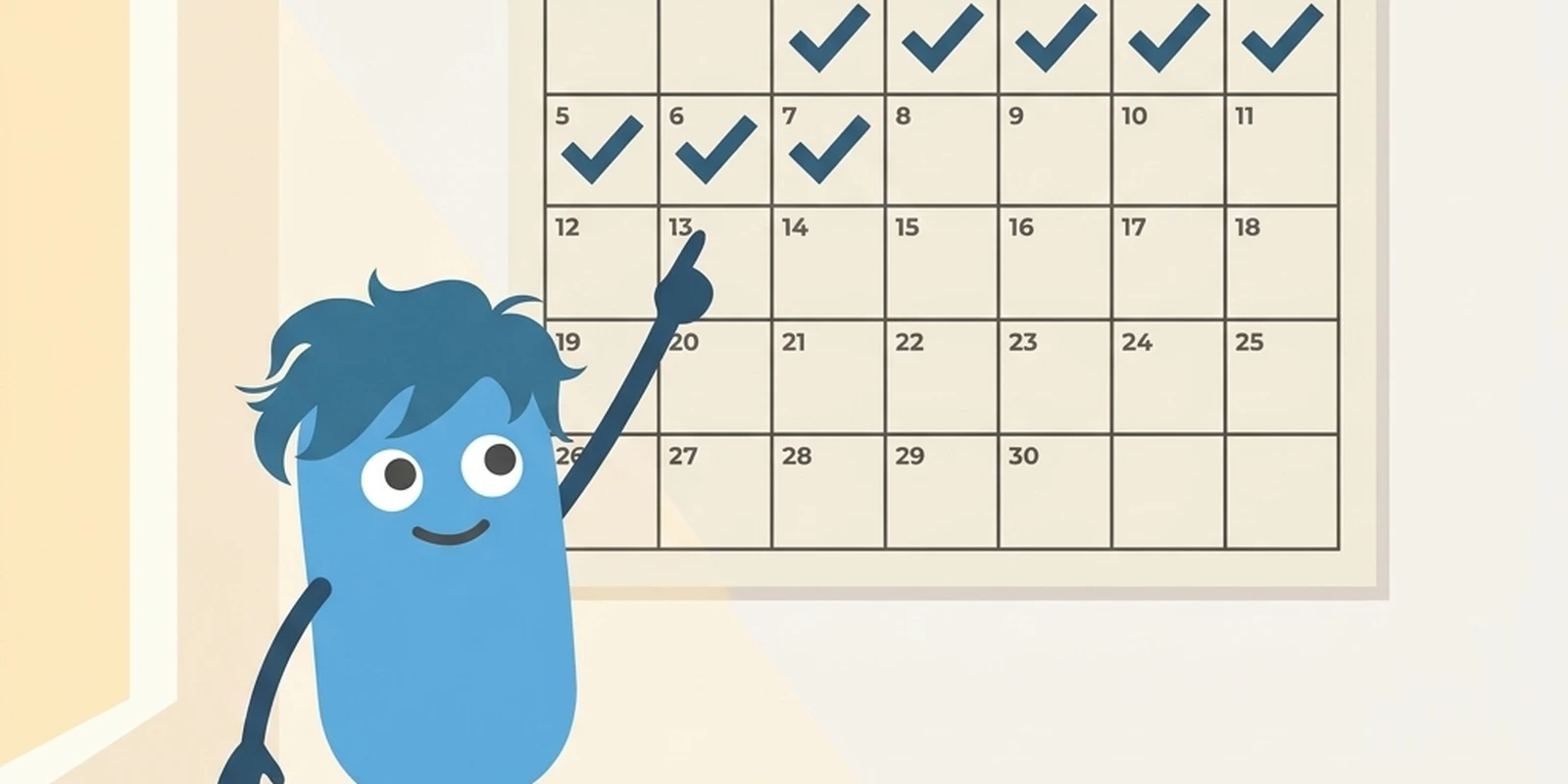
Week 2 (Days 8-14): The Flatline
Week 2 surprises people who expected to feel progressively better. Instead, many experience what the recovery community calls "the flatline."
What the flatline feels like:
• Reduced or absent libido
• Emotional numbness or flatness — things that used to be enjoyable feel neutral
• Low motivation and energy
• A general sense of "is this working?"
This is not regression. This is your dopamine system actively recalibrating. The initial spike of withdrawal symptoms has passed, and the brain is in a transitional state — no longer receiving superstimulation, not yet fully recovered to baseline sensitivity.
Research on internet addiction disorder by Hou et al. found measurable dopamine receptor density recovery within approximately 14 days of abstinence from compulsive digital behaviors. You're essentially waiting for that recovery to translate into subjective experience — and there's a lag.
What to do during the flatline: Reduce expectations, increase physical activity, and stay consistent. This is the stage where most people who survived week 1 give up, convinced that recovery isn't working. It is. The flatline is evidence of recalibration, not failure.
Week 3 (Days 15-21): Stabilization
By the third week, the flatline typically begins lifting. The changes that emerge are often subtle but meaningful:
• Natural rewards start feeling rewarding again — food tastes better, music sounds better, social interactions feel more engaging
• The cognitive fog from week 1 and 2 begins clearing
• Urges still occur but feel more manageable — there's more space between the trigger and the impulse
• Sleep quality often improves for people whose pornography use was concentrated at night
This is also the week where the behavioral dimension becomes more important than the neurological one. Your brain is stabilizing, which means the question shifts from "how do I survive today" to "what am I building instead."
This is a critical distinction. Abstinence is the absence of a behavior. Recovery requires filling that space with something. People who succeed at 30-day challenges consistently report that week 3 is when intentional replacement activities — exercise, social connection, creative work — become self-reinforcing rather than effortful.
Week 4 (Days 22-30): Rewiring
Week 4 is when the work of the previous three weeks compounds.
What changes neurologically: Research suggests that neural pathways associated with compulsive behaviors begin weakening during sustained abstinence while alternative pathways strengthen. Old triggers — particular apps, times of day, emotional states — lose some of their automatic pull as the association between them and pornography weakens through non-reinforcement.
What changes behaviorally: People at day 25-30 often report a shift in how they relate to the challenge itself. It stops feeling like white-knuckling and starts feeling like a new normal. The urge is still there in some form, but it's no longer experienced as an emergency.
The end of day 30: Completing the challenge matters. Not because 30 days is a magic number, but because successfully completing a self-imposed commitment creates evidence of self-efficacy — the belief that you can follow through. That belief is one of the strongest predictors of sustained behavior change beyond the initial challenge.
A survey study by Fernandez et al. (2020) of over 1,000 participants in online abstinence communities found that those who reported the highest perceived benefits at 30 days were also the most likely to continue beyond the initial challenge and to engage in longer-term recovery work.
Popular Apps for a No Porn Challenge
The AI model data from ATP shows that "apps for tracking progress in a porn challenge" and "software that blocks adult content" are among the most common questions people search when starting.
Content blockers: Covenant Eyes and Braver are the most widely used. They work by making access difficult enough that the impulse has time to pass — not by making it impossible, but by creating meaningful friction.
Habit tracking: Streaks (iOS) and Loop Habit Tracker (Android) let you track daily completion with a streak counter. The streak itself becomes a motivator — the reluctance to break a 15-day streak can carry you through a difficult evening.
Accountability and community: NoFap's forums and Reddit's r/NoFap community provide peer support, though the quality and consistency vary. You're relying on whoever happens to post that day.
Structured challenges with accountability: GetMotivated.ai takes a different approach. Rather than a forum you visit when you're struggling, it pairs you with an accountability buddy matched to your specific challenge, offers structured 30-day challenge tracks, and provides AI coaching between check-ins. The combination addresses what the research consistently shows matters: social accountability, structure, and support that's available at 11 PM when a craving hits — not just during business hours.
Apps like Covenant Eyes create friction. GetMotivated.ai creates accountability. Research suggests you need both.
Online Support Communities for a Porn Challenge
The ATP data shows that "online support communities for people doing a porn challenge" is one of the top questions people ask AI assistants when starting — which tells you something important: people doing this challenge are looking for others who understand.
The major communities: r/NoFap and r/pornfree on Reddit have millions of members and active daily posting. NoFap's own website has forums and a streak counter tool. These communities normalize the experience, which has genuine value — knowing that thousands of other people are on day 14 of the flatline right now reduces the shame spiral that often drives relapse.
The limitation of forum communities is responsiveness. You post when you're struggling. You may get replies in minutes, hours, or not at all. There's no ongoing relationship, no one who knows your specific triggers, no follow-up.
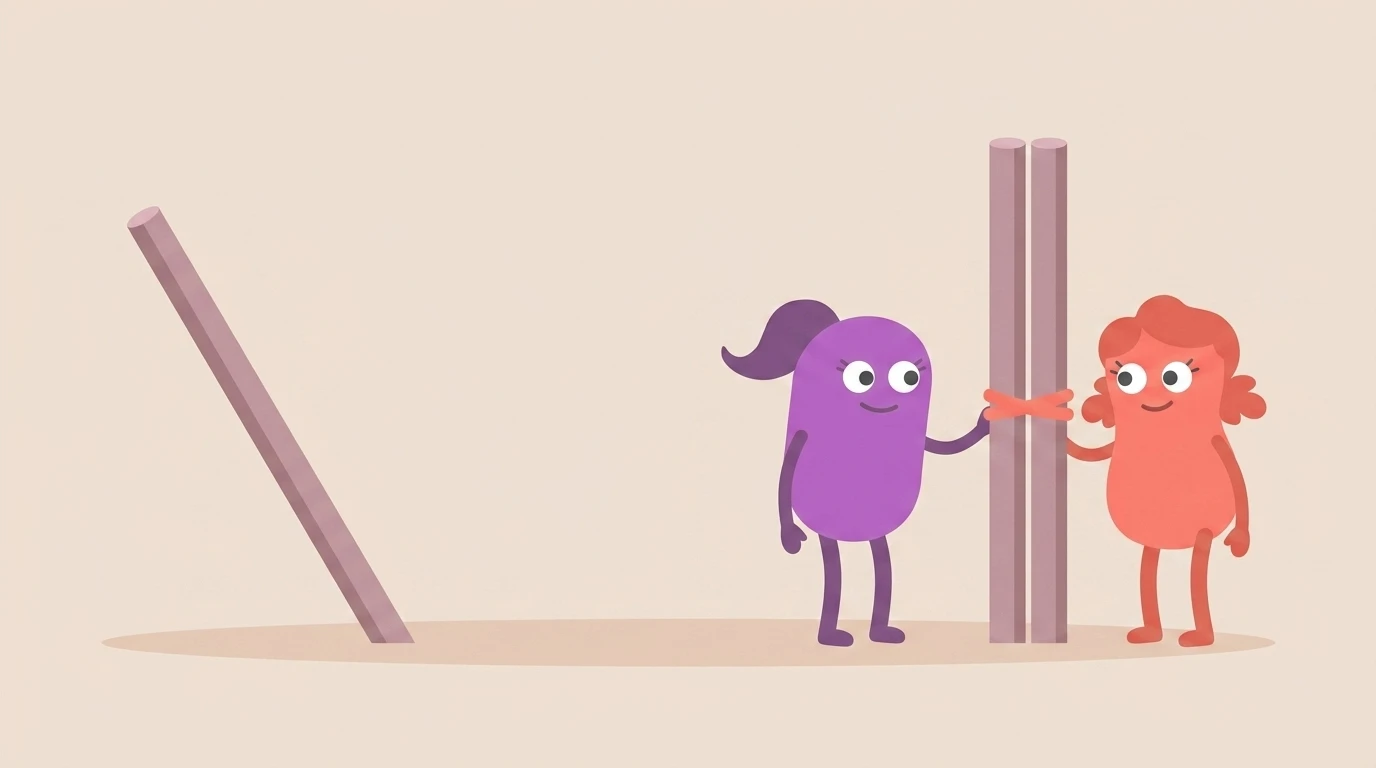
That's the gap that structured accountability — whether through a friend, a recovery coach, or a platform like GetMotivated.ai — fills. Accountability isn't about having someone police you. It's about having someone who will notice if you go quiet.