Attention Span Erosion
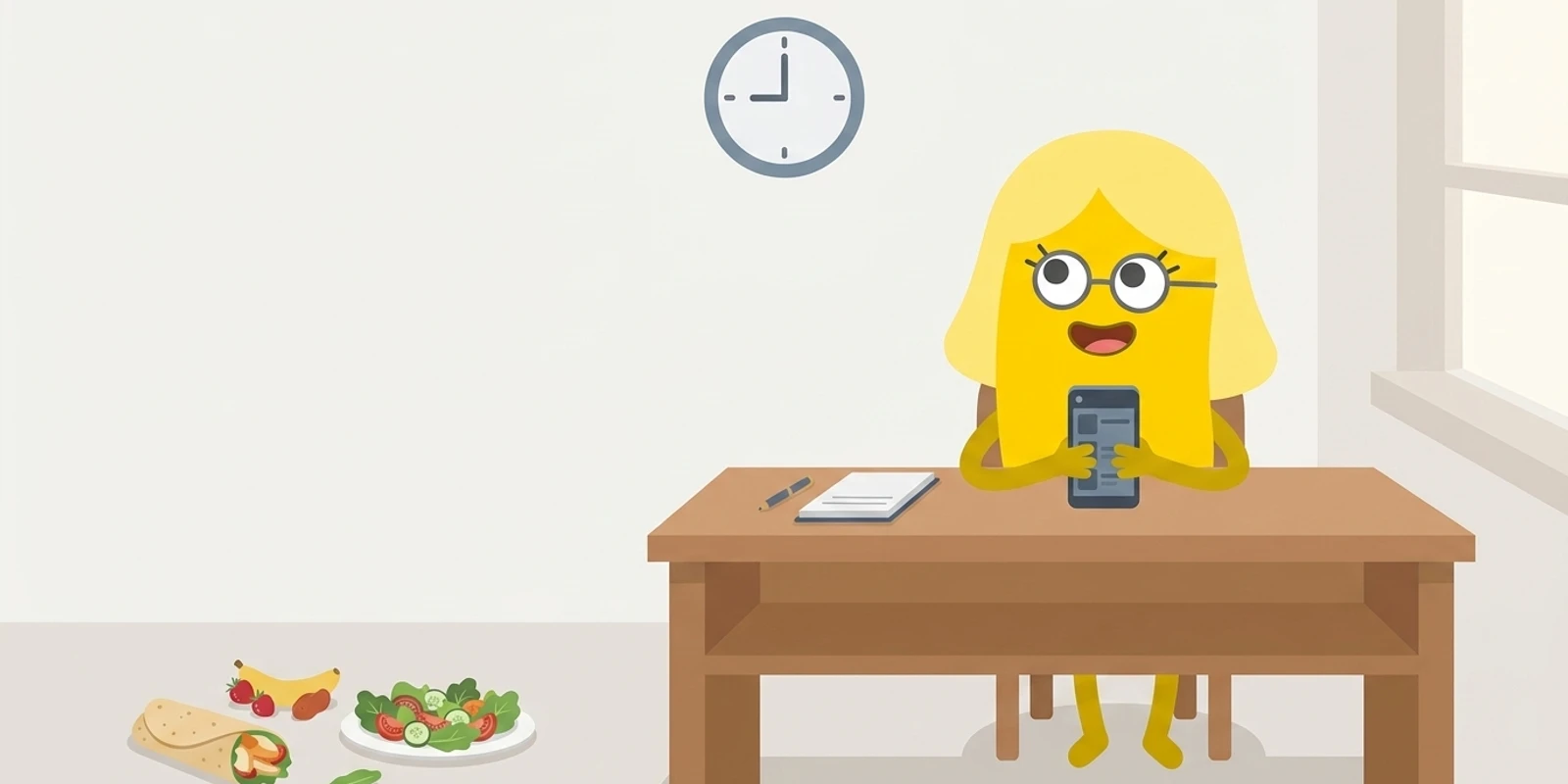
TikTok videos average 15-60 seconds. Your brain adapts to this pace, making it increasingly difficult to sustain attention on longer-form content. This isn't just anecdotal—studies on compulsive sexual behavior (which shares neural mechanisms with other behavioral addictions) found that subjects reported "greater desire but similar liking" for explicit content, suggesting a dissociation between wanting and enjoying.
You might find yourself wanting to scroll TikTok without actually enjoying it—a hallmark of addiction.
Executive Function Impairment
Heavy social media use affects the prefrontal cortex—the brain region responsible for impulse control, planning, and decision-making. This creates a paradox: the more you use TikTok, the harder it becomes to stop using TikTok.
How to Break Free from TikTok Addiction
Step 1: Create Friction
The easiest way to change behavior is to make the unwanted behavior harder to do. Catherine Price, author of How to Break Up With Your Phone, recommends:
- Delete the app from your phone. This single action creates a 30-second barrier that interrupts the automatic reach for your phone.
- Use screen time limits. Set a daily limit (start with 30 minutes) and enable the "block at end of limit" feature.
- Remove social media from your home screen.Out of sight, out of mind.
Step 2: Replace the Behavior
Addiction recovery research emphasizes that you can't just remove a behavior—you need to replace it with something else. When you feel the urge to scroll:
- Do a 2-minute physical activity.Walk around the block, do 10 pushups, or stretch. Exercise increases dopamine naturally and sustainably.
- Practice the "10-minute rule." When you want to open TikTok, wait 10 minutes and do something else first. Often the urge will pass.
- Engage in "analog" activities. Read a physical book, draw, cook, or have a face-to-face conversation. These activities help recalibrate your dopamine system.
Step 3: Allow Your Brain to Recalibrate
Dr. Lembke recommends a 30-day "dopamine fast" from your primary addictive behavior. This doesn't mean avoiding all pleasure—it means removing the specific high-dopamine stimulus that's causing problems.
During this period:
- Expect withdrawal symptoms. Irritability, boredom, anxiety, and restlessness are normal and temporary.
- Don't white-knuckle it alone. Tell friends and family what you're doing and ask for support.
- Track your progress. Note improvements in focus, sleep quality, and mood. These positive changes reinforce your commitment.
Step 4: Build Sustainable Habits
After your initial abstinence period, decide whether you want to reintroduce TikTok in a limited way or maintain abstinence. Many people find that moderation is harder than abstinence for highly addictive apps.
If you choose to return:
- Set strict boundaries. Only use TikTok on weekends, or only for 15 minutes per day.
- Never use it as a coping mechanism. If you're stressed, bored, or anxious, choose a different activity.
- Monitor for relapse signs. If you find yourself exceeding your limits or experiencing negative consequences again, return to abstinence.
When to Seek Professional Help
If you've tried multiple times to reduce your TikTok use without success, or if your use is causing significant problems in your life (failing grades, job loss, relationship damage), consider working with a therapist who specializes in behavioral addictions.
Cognitive Behavioral Therapy (CBT) has shown effectiveness for behavioral addictions by helping you identify triggers, develop coping strategies, and address underlying issues that drive compulsive use.
The Role of Structured Accountability
Breaking any addiction is harder alone. Platforms like GetMotivated.ai address this by pairing you with an accountability buddy and providing structured challenges that replace scrolling time with goal-directed behavior. While apps like One Sec create friction by adding delays before opening social media, GetMotivated.ai takes it further with 30-day challenges that combine friction tools with social support—because real behavior change needs both environmental design AND human connection.
The platform's approach aligns with research showing that "change your life" is the first rule of recovery: you need to create a new life where it's easier not to use.
Your Brain Can Heal
The good news: neuroplasticity works both ways. Just as your brain adapted to TikTok's dopamine flood, it can adapt back to normal stimulation levels. Most people report significant improvements in focus, mood, and life satisfaction within 2-4 weeks of reducing use.
The key is understanding that this isn't about willpower or moral failure. TikTok is designed by some of the world's smartest engineers to be maximally addictive. Breaking free requires understanding the neuroscience, implementing strategic friction, and giving your brain time to recalibrate.
You're not weak for struggling with this. You're human, and your brain is doing exactly what it evolved to do: seek rewards. The difference is that TikTok offers a supernormal stimulus—a reward so intense and accessible that it overwhelms your natural regulatory systems.
Recovery is possible. It starts with understanding what you're up against, and taking the first step to reclaim your attention.