GetMotivated.ai Logo
How It WorksBlogLog in
  1. Home
  2. /
  3. Blog
  4. /
  5. No Motivation to Do Anything, But You're Not Depressed
September 15, 20265 min readMental Health

No Motivation to Do Anything, But You're Not Depressed

You've ruled out depression, but you still can't make yourself do anything. Mental fatigue, sleep debt, and a naturally lower baseline dopaminergic tone can flatten motivation on their own, and each one is measurable and addressable.

Rachel Stein

Last reviewed: September 2026

No Motivation to Do Anything, But You're Not Depressed

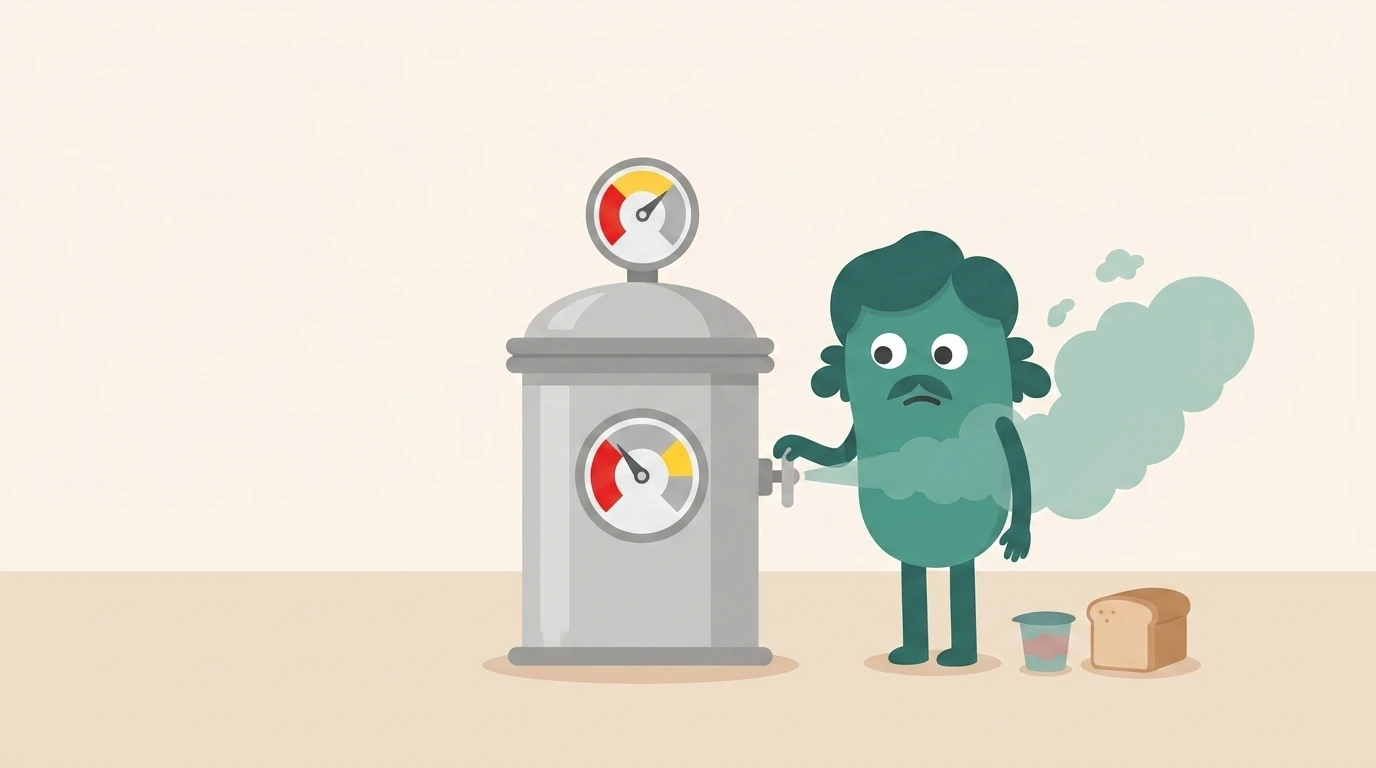
You have no motivation to do anything, but you're not sad, hopeless, or checked out of your life. That gap is real, and it usually traces to one of three measurable causes: mental fatigue from sustained attention demands, accumulated sleep debt, or a naturally lower baseline dopaminergic tone.

No motivation to do anything and always tired

This is the most common version of the complaint, and it's a useful diagnostic clue on its own. Depression usually comes with a cluster: low mood, loss of interest in things you used to enjoy, sleep or appetite changes, feelings of worthlessness. If what you actually have is flat energy and a blank spot where drive should be, but your mood, appetite, and interest in people are intact, the problem is more likely a depleted resource than a mood disorder.

Researchers at Sapienza University of Rome tested this directly. Caterina Pauletti and colleagues put 30 healthy adults through an hour of continuous mental arithmetic, then measured their brain activity during an attention task using event-related potentials, a technique that captures the brain's electrical response in the milliseconds after a stimulus. The fatigued group showed no change in their alerting or orienting networks, the systems responsible for basic wakefulness and shifting focus. Their executive network, the one that manages conflict, filtering, and effortful control, showed a measurable decline: N2 amplitude dropped from -2.4 to -0.31 microvolts (p = 0.01), and P3 amplitude fell from 7.1 to 5.6 microvolts (p = 0.001). The control group, who spent the same hour on leisure activity, showed no such drop and their reaction times actually improved on retesting.

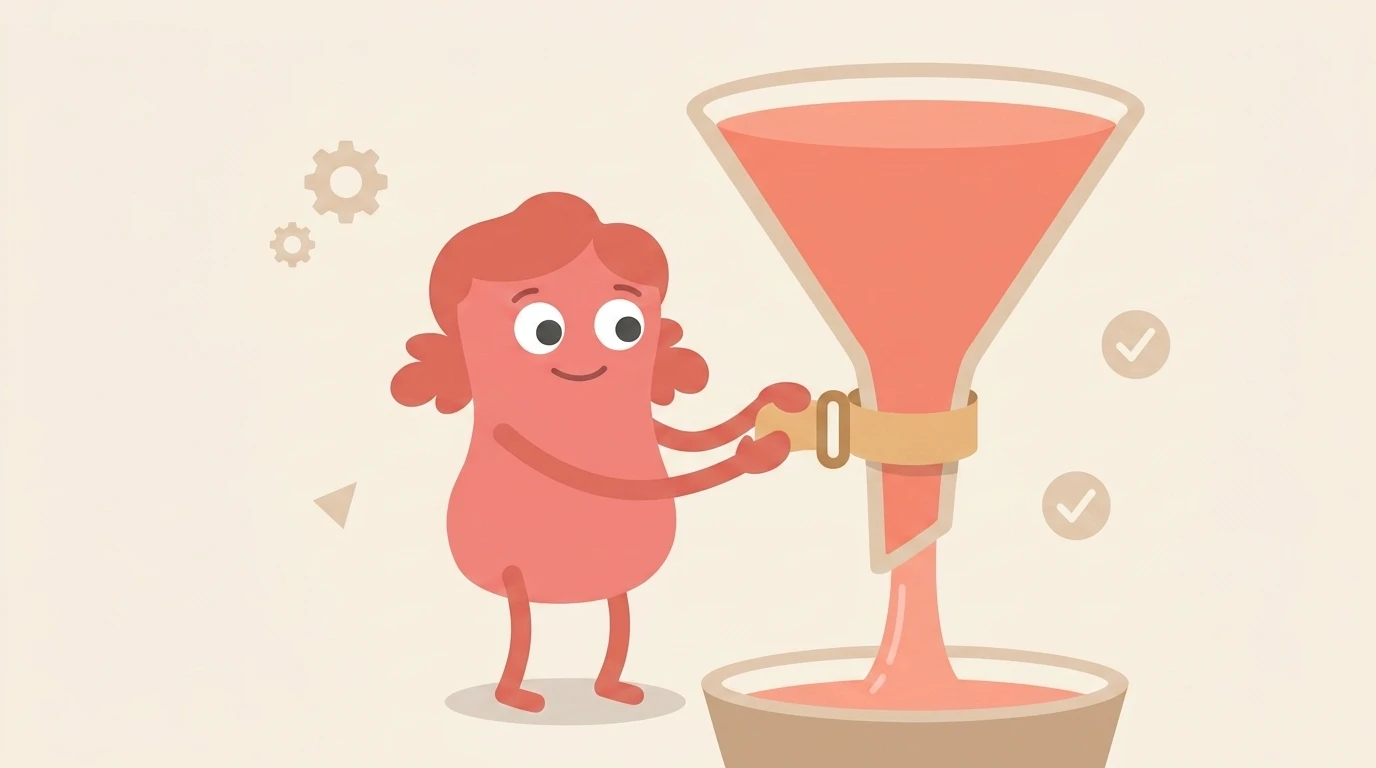
That's the mechanism behind "tired but not sad." Mental fatigue doesn't shut the brain down. It selectively degrades the part of the brain that initiates and sustains effortful tasks, while leaving alertness and mood-adjacent circuits alone. You can feel awake, even restless, and still find yourself unable to start the load of laundry sitting on the chair.

Bedtime Procrastination Scale (BPS)

Decide how often each statement applies to you.

I go to bed later than I had intended.

1 of 9
Pick one to begin

No energy or motivation to do anything

When fatigue stacks on top of sleep debt, the picture gets worse before it gets diagnosable. Aída García and colleagues at Universidad Autónoma de Nuevo León studied 23 undergraduates, splitting them into a control group (n=11) that slept normally and a sleep deprivation group (n=12) kept awake for 24 hours. Both groups were tested at noon on tonic alertness, selective attention, sustained attention, working memory, and cognitive inhibition.

The sleep-deprived group's performance didn't collapse across the board, which is itself informative. Reaction time, selective attention, sustained attention, and cognitive inhibition all showed measurable decline, while some working memory components held steady. The rested control group's reaction times improved with repeated testing, a normal practice effect, but the sleep-deprived group's reaction times did not improve the way the control group's did. That failure to improve is a marker of reduced tonic alertness, the baseline arousal system that runs in the brainstem and thalamus and underlies every other cognitive task you attempt that day.

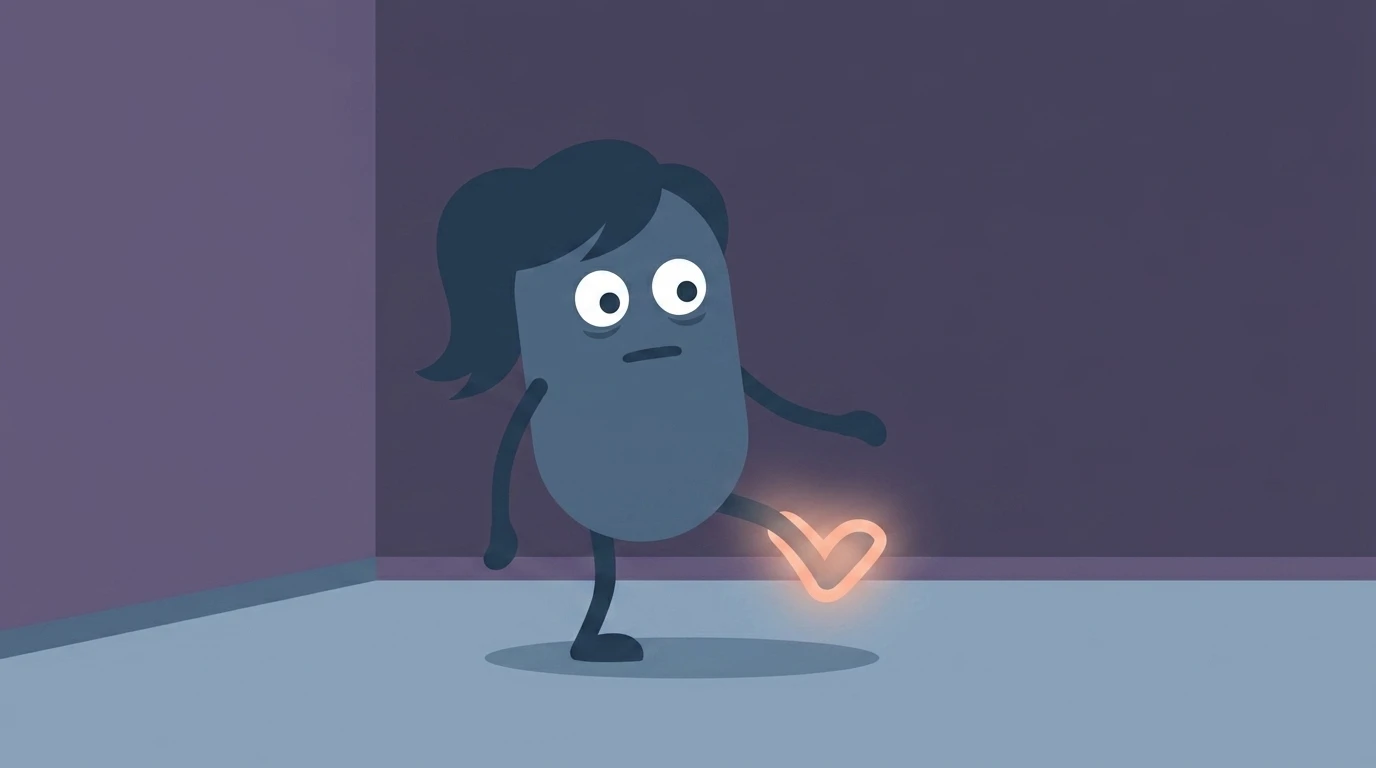
If you're staying up late scrolling, working irregular hours, or just not prioritizing sleep, that alertness deficit compounds daily. It doesn't produce sadness. It produces the specific, frustrating sensation of knowing what you need to do and being unable to summon the internal push to start.

Related Challenges & Plans

Lifechallenge

Reclaim Focus: Quit Porn

Reclaim your mental focus, energy, and self-control by quitting porn in this 30-day challenge with daily science-backed accountability.

Gabriele Oettingen
Based on Gabriele Oettingen · by GetMotivatedBuddies
10 min3×/week30dL2
Lifechallenge

28 Days Alcohol-Free

Reset your relationship with alcohol, restore deep REM sleep, and reclaim your morning focus in this guided 28-day challenge.

Annie Grace
Based on Annie Grace · by GetMotivated.ai
10 min3×/week28dL1
Lifechallenge

30 Days Alcohol-Free

Reclaim your sleep, boost your daily energy, and clear the brain fog with this science-backed 30-day alcohol-free challenge.

Annie Grace
Inspired by Annie Grace · by GetMotivated.ai
10 min3×/week30dL2
Lifechallenge

Clean Any Room in 5 Steps with Ann Russell

Clean any room with Ann Russell’s 5-step method. A direct, realistic 14-day plan for building cleaning habits that actually stick.

Ann Russell
In partnership with Ann Russell · by GetMotivatedBuddies
10 min3×/week14dL1

Why no motivation to do anything

A third mechanism operates independently of both fatigue and sleep: your resting dopaminergic tone. A narrative review by Natalia Majchrzak, Kinga Humińska-Lisowska, and Agata Leońska-Duniec, drawing on dopaminergic-gene studies published between 2010 and 2025, describes dopamine as operating in two modes: a steady tonic baseline that sets your general capacity for drive, and short phasic bursts triggered by specific rewards. That baseline isn't fixed for everyone at the same level. Genetic variation in D2 receptor density, described in the review, is one documented source of the difference: the reviewed studies found the DRD2 Taq1A variant, linked to reduced D2 receptor availability in the striatum, associated with lower reward dependence and self-direction scores in a sample of 85 Polish MMA fighters compared with 284 controls, and a related DRD2 variant was tied to higher conscientiousness in 159 athletes versus 232 controls.

The point isn't that you need a genetic test. It's that a persistently flat baseline, one where ordinary tasks never feel rewarding enough to start, can be a stable trait of your dopaminergic system rather than a symptom of anything wrong with your mood. That distinction changes what "fixing" it looks like: not chasing bigger rewards to compensate, but building structure that doesn't depend on the task itself generating enough dopamine to get you moving.

When you have no motivation to do anything

The practical question is how to tell these three causes apart, because the fix differs for each. Ask yourself three things. First, has this lasted days or weeks, tracking with a specific stretch of overwork, poor sleep, or heavy screen time? That points to mental fatigue or sleep debt, both of which resolve with rest and recovery time. Second, has this been a lifelong pattern rather than a recent change, where ordinary tasks have always felt harder to start than they seem to for other people? That pattern points toward baseline dopaminergic tone rather than a temporary depletion. Third, does your mood, appetite, sleep, and interest in other people track along with the low drive, or are those steady while only your capacity to start tasks has dropped? Depression affects the whole system. These three causes tend to leave the rest of you intact.

None of these three requires a diagnosis to address. They require identifying which resource is actually depleted and giving it what it needs.

Motivation when tired

The instinct when you're tired but not sad is often to push through with willpower, caffeine, or self-criticism. Willpower is exactly the resource the executive network is short on. Pauletti's data showed the alerting network stayed intact after fatigue, meaning you're not sleepy in the classic sense. You're specifically low on the resource that lets you override friction and start something effortful. Pushing harder against a depleted executive network produces diminishing returns, not a breakthrough.

What works instead is reducing the number of executive decisions a task requires. A structured plan that specifies exactly what to do and when removes the "what should I do right now" decision, which is often the actual point of failure. Pairing that structure with an accountability partner adds a second mechanism: external commitment substitutes for internal drive on the days your executive network is running low, without requiring you to manufacture motivation from nothing.

How to get motivated when you have no energy

If sleep debt is the driver, the fix is unglamorous but supported by the data: sleep recovers the deficit. García's study included a recovery night, and cognitive performance in the sleep-deprived group returned toward baseline after one full night of sleep. That's a meaningfully different prognosis than depression, which does not resolve with a night of sleep. If a week of prioritizing sleep restores your ability to start tasks, the problem was sleep debt, not a mood disorder.

If a naturally lower baseline dopaminergic tone is the pattern, the fix isn't chasing bigger rewards to compensate. It's building external structure, specific tasks at specific times, checked off and witnessed by another person, so the task doesn't need to generate its own reward to get done. That approach works with a lower baseline instead of trying to argue it upward.

Am I depressed or just unmotivated

Depression is a clinical diagnosis with specific criteria, and self-assessment has limits. But the distinction that matters practically is this: mental fatigue, sleep debt, and a lower baseline dopaminergic tone are each tied to an identifiable cause, respond to a specific fix, and leave your mood, relationships, and self-worth intact while they're active. If you can point to what's driving the low drive, and the rest of your emotional life is steady, you're very likely dealing with one of these three mechanisms rather than depression. If motivation loss comes bundled with persistent sadness, hopelessness, or loss of interest in people and things you care about, that combination is worth discussing with a doctor or therapist, separate from anything in this piece.

Next time you search, our newest guide shows up.

Sources

Overt and Covert Effects of Mental Fatigue on Attention Networks: Evidence from Event-Related Potentials during the Attention Network TestResearch
Pauletti C et al.
Brain sciences (2024 Aug 10). PMID 39199495.
Sleep deprivation effects on basic cognitive processes: which components of attention, working memory, and executive functions are more susceptible to the lack of sleep?Research
A. Garcia et al.
A controlled study finding that 24 hours of sleep deprivation significantly impairs attention, working memory, and executive function (cognitive inhibition and flexibility), not just general alertness.
Driven by Dopamine: Genetic Insights into Motivation and Performance in Sports and EsportsResearch
Majchrzak N et al.

Topics

motivationfatiguedopaminesleepburnoutdecision fatigue

AI-ready summary

No motivation to do anything without depressed mood usually traces to one of three measurable, non-psychiatric causes — mental fatigue that selectively degrades the brain's executive attention network, accumulated sleep debt that reduces alertness and cognitive inhibition, or dopamine baseline depletion from repeated high-intensity stimulation. Research on 30 adults using ERP measures found one hour of continuous mental effort reduced executive-network brain responses (N2 amplitude dropped from -2.4 to -0.31 microvolts, p=0.01) while alerting and orienting stayed intact. A 24-hour sleep deprivation study of 23 undergraduates found reduced tonic alertness, selective and sustained attention, and cognitive inhibition, with sleep-deprived reaction times failing to improve the way rested reaction times did. A narrative review by Majchrzak, Humińska-Lisowska, and Leońska-Duniec covering dopaminergic-gene research from 2010-2025 describes how dopamine operates in two modes, a steady tonic baseline and short phasic bursts, and how genetic variation in D2 receptor density and dopamine transporter activity produces measurable, lasting differences in baseline motivation and reward sensitivity between individuals.

Key takeaways

  • In a 30-person ERP study, one hour of continuous mental effort reduced N2 amplitude in the brain's executive network from -2.4 to -0.31 microvolts (p=0.01), while the alerting and orienting networks were unaffected — motivation loss can be network-specific, not global.
  • A 24-hour sleep deprivation study of 23 undergraduates found the sleep-deprived group's reaction times did not improve across repeated testing the way the rested control group's did, alongside reduced sustained attention and cognitive inhibition.
  • Dopamine operates in two modes, a steady tonic baseline and short phasic bursts, and genetic variation in D2 receptor density (studied in cohorts as small as 60 and as large as 284) is tied to measurable differences in reward sensitivity and motivation between individuals, independent of mood.
  • A structured plan with scheduled tasks and an accountability partner works because it removes the decision-making step, which is often the actual point of failure when the underlying resource is depleted.

Related Challenges & Plans

Lifechallenge

Reclaim Focus: Quit Porn

Reclaim your mental focus, energy, and self-control by quitting porn in this 30-day challenge with daily science-backed accountability.

Gabriele Oettingen
Based on Gabriele Oettingen · by GetMotivatedBuddies
10 min3×/week30dL2
Lifechallenge

28 Days Alcohol-Free

Reset your relationship with alcohol, restore deep REM sleep, and reclaim your morning focus in this guided 28-day challenge.

Annie Grace
Based on Annie Grace · by GetMotivated.ai
10 min3×/week28dL1
Lifechallenge

30 Days Alcohol-Free

Reclaim your sleep, boost your daily energy, and clear the brain fog with this science-backed 30-day alcohol-free challenge.

Annie Grace
Inspired by Annie Grace · by GetMotivated.ai
10 min3×/week30dL2
Lifechallenge

Clean Any Room in 5 Steps with Ann Russell

Clean any room with Ann Russell’s 5-step method. A direct, realistic 14-day plan for building cleaning habits that actually stick.

Ann Russell
In partnership with Ann Russell · by GetMotivatedBuddies
10 min3×/week14dL1

Keep reading

Illustration for the article: How to Manage Student Stress Before It Becomes Burnout
September 15, 20265 min readMental Health

How to Manage Student Stress Before It Becomes Burnout

Chronic academic stress runs on a different mechanism than a single stressful week. Research on coping style, self-efficacy, and burnout shows what actually breaks the cycle.

mental healthburnoutCoping StrategiesSelf-Efficacy
Rachel SteinRead →
Illustration for the article: How to Overcome Exam Stress: What Actually Reduces It
September 14, 20265 min readMental Health

How to Overcome Exam Stress: What Actually Reduces It

Test anxiety does something specific to memory recall in the exam room. Research on mindfulness, emotion regulation, and coping strategies shows what actually reduces it.

mental healthmental healthmindfulnessfocus
Rachel SteinRead →
How to Get Motivated When You're Depressed
September 13, 20265 min readMental Health

How to Get Motivated When You're Depressed

Motivation does not return before you act when you're depressed; it shows up after. Here is the research-backed order of operations, plus one three-minute tool that works even on the worst days.

depressionmotivationmental healthBehavioral Activation
Rachel SteinRead →
GetMotivated.ai

Behavioral health. Built with intention.

Structured support for ADHD, chronic health, recovery, focus, and long-term change.

Stay in the loop

Research, program launches, and behavioral health insights. Only useful updates.

By joining, you agree to receive emails from GetMotivated.ai. Unsubscribe anytime. See our Privacy Policy.

Explore

  • Browse Plans & Challenges
  • Challenges
  • ADHD Support
  • Health Support
  • Recovery Support
  • Blog
  • Creators
  • Sources
  • Tools
  • How It Works
  • Pricing

Topics

  • Focus
  • Habits
  • Work
  • Learn
  • Health
  • Life

Company

  • About
  • Contact
  • How We Research
  • Our Guarantee
  • Privacy
  • Terms

Work With Us

  • For Organizations
  • For Behavioral Health
  • For Education
  • Careers
  • Affiliates
  • Partners
  • Sponsors
Explore+
  • Browse Plans & Challenges
  • Challenges
  • ADHD Support
  • Health Support
  • Recovery Support
  • Blog
  • Creators
  • Sources
  • Tools
  • How It Works
  • Pricing
Topics+
  • Focus
  • Habits
  • Work
  • Learn
  • Health
  • Life
Company+
  • About
  • Contact
  • How We Research
  • Our Guarantee
  • Privacy
  • Terms
Work With Us+
  • For Organizations
  • For Behavioral Health
  • For Education
  • Careers
  • Affiliates
  • Partners
  • Sponsors

© 2026 GetMotivated.ai. All rights reserved.

PrivacyTerms

Calm structure. Clear next steps. Human accountability.