GetMotivated.ai Logo
How It WorksBlogLog in
  1. Home
  2. /
  3. Blog
  4. /
  5. How to Quit Porn: Evidence-Based Recovery Strategies That Work
July 9, 20267 min read

How to Quit Porn: Evidence-Based Recovery Strategies That Work

Quitting pornography requires more than willpower. Research shows that structured recovery plans combining cognitive-behavioral techniques, accountability systems, and lifestyle changes produce lasting results for men struggling with compulsive use.

Dana Kim

Last reviewed: August 2026

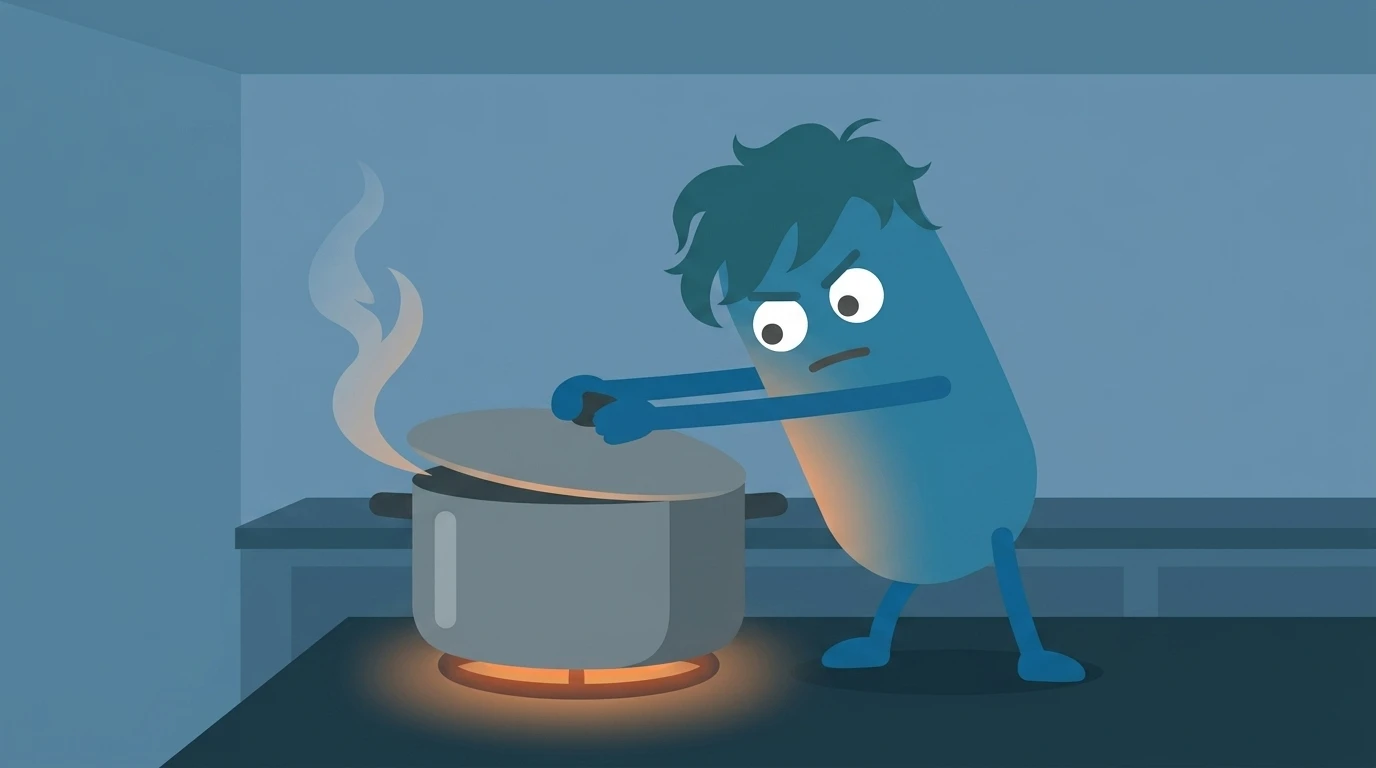
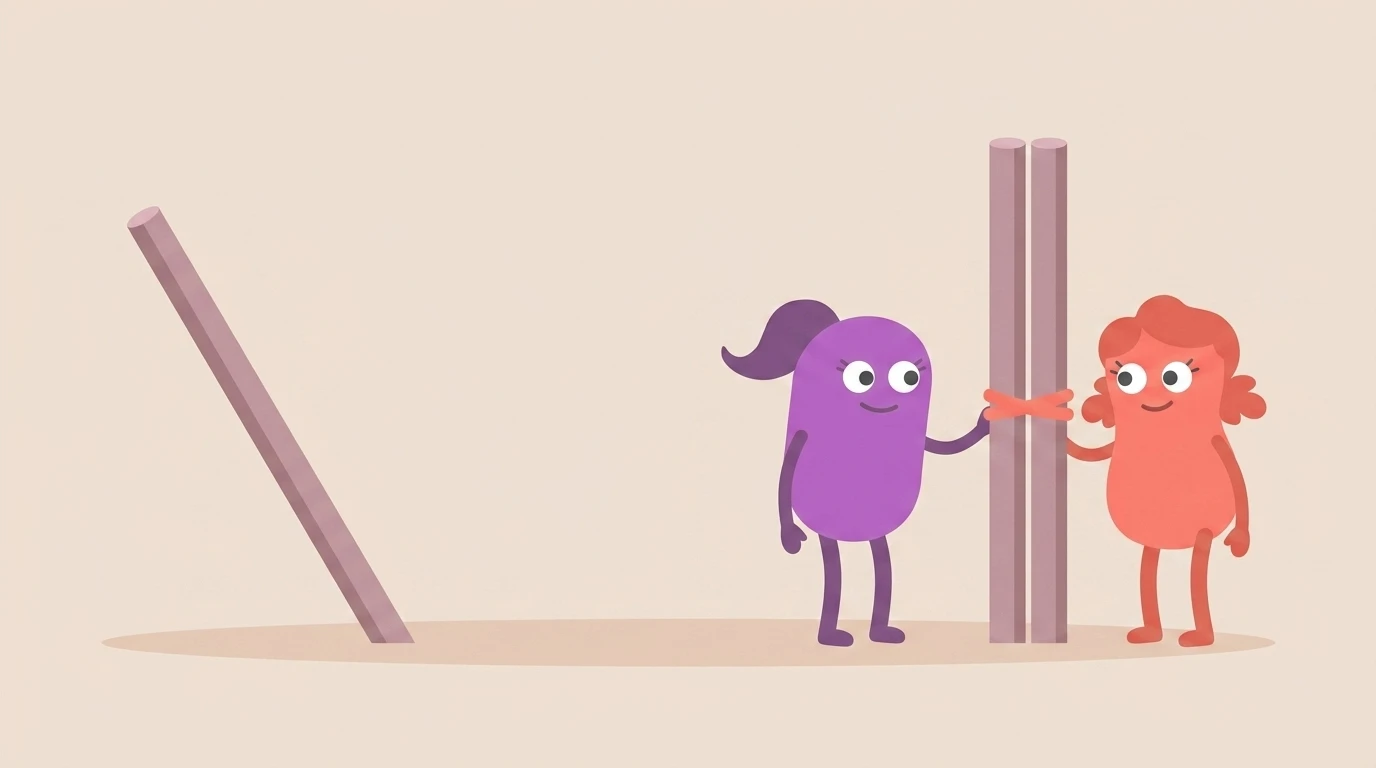
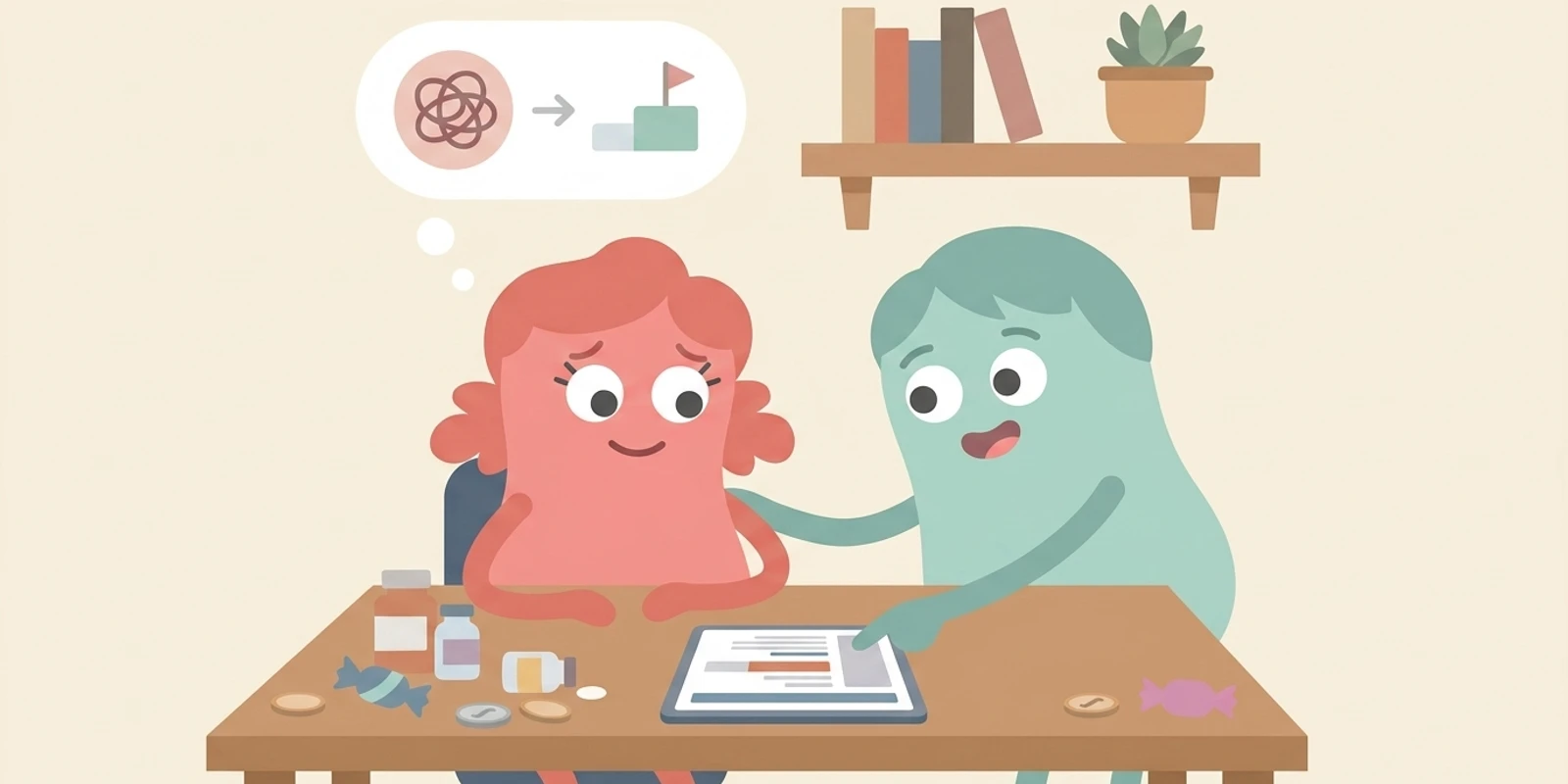
Illustration for the article: How to Quit Porn: Evidence-Based Recovery Strategies That Work

Quitting pornography is possible, but it requires understanding how compulsive use rewires the brain's reward system and implementing structured recovery strategies that address both behavioral patterns and underlying triggers. Research shows that combining cognitive-behavioral techniques with accountability systems and lifestyle changes produces the most sustainable outcomes for men struggling with pornography use.

Why Quitting Porn Is Harder Than You Think

Pornography activates the same neural pathways as substance addictions. The brain's reward circuit floods with dopamine during use, creating powerful reinforcement loops that make quitting difficult even when you recognize the negative consequences.

Over time, repeated exposure leads to tolerance—you need more extreme content to achieve the same effect. This neuroplastic adaptation reduces your ability to experience pleasure from everyday activities, a phenomenon researchers call desensitization.

The accessibility, affordability, and anonymity of internet pornography—what addiction experts call the "triple A" influence—make it uniquely challenging to quit. Unlike substance addictions that require obtaining physical materials, pornography is always one click away.

The Science of Pornography Recovery

How the Brain Changes During Recovery

When you stop using pornography, your brain begins a recalibration process. Dopamine receptors that were downregulated during active use gradually return to normal sensitivity. This neuroplastic recovery allows you to experience pleasure from natural rewards again—but it takes time.

Research on behavioral addictions shows that recovery follows distinct stages: the repair stage (addressing immediate damage), the abstinence stage (maintaining sobriety and managing cravings), and the growth stage (building a new life where recovery is sustainable).

What to Expect: The Recovery Timeline

Most men experience withdrawal symptoms in the first 2-4 weeks: increased anxiety, irritability, difficulty concentrating, and strong cravings. These symptoms reflect your brain adjusting to lower dopamine levels.

Neuroplastic changes continue for months. Many men report significant improvements in mood, motivation, and sexual function after 90 days of abstinence, though individual timelines vary based on usage history and co-occurring mental health conditions.

Evidence-Based Strategies to Quit Porn

Cognitive Behavioral Therapy: The Gold Standard

Cognitive-behavioral therapy (CBT) is the most researched approach for behavioral addictions. CBT helps you identify the thoughts and situations that trigger pornography use, then develop specific coping strategies to manage those triggers.

A core CBT technique is functional analysis: mapping the chain of events that leads to relapse. You might discover that stress at work → feeling overwhelmed → seeking escape → pornography use. Once you identify this pattern, you can intervene at earlier points in the chain.

Mindfulness-Based Relapse Prevention

Mindfulness-Based Relapse Prevention (MBRP) combines meditation practices with relapse prevention strategies. The approach teaches you to observe cravings without acting on them—a skill called "urge surfing".

Research shows that mindfulness practices help you decenter from automatic thoughts and urges, creating space to choose skillful responses rather than reactive behaviors. This is particularly effective for managing the intense emotional states that often precede relapse.

The Five Rules of Recovery

Relapse prevention research identifies five fundamental principles that explain most successful recoveries:

  1. Change your life: Recovery requires creating a new environment where it's easier not to use. This means removing triggers, building new routines, and finding alternative sources of meaning.
  1. Be completely honest: Secrecy fuels addiction. Honesty with yourself and trusted others disrupts the shame cycle that perpetuates compulsive behavior.
  1. Ask for help: Isolation is a primary relapse risk factor. Accountability partnerships and support groups provide the social connection essential for sustained recovery.
  1. Practice self-care: Physical health directly impacts mental resilience. Sleep, nutrition, and exercise create the biological foundation for recovery.
  1. Don't bend the rules: Small compromises ("I'll just look at softcore content") typically escalate. Clear boundaries prevent the slippery slope back to full relapse.

Building Your Accountability System

Why Accountability Works

Accountability addresses the core problem of behavioral addiction: the gap between intention and action. When you know someone will ask about your progress, you're significantly more likely to follow through.

Research on 12-step programs like Sex Addicts Anonymous shows that regular meeting attendance and sponsor relationships improve outcomes by providing both social support and structured accountability.

Related Challenges & Plans

Lifechallenge

Reclaim Focus: Quit Porn

Beat porn addiction: 30 days of real accountability via daily SMS/email check-ins & cohort support. Science-backed. Private.

Anna Lembke
Based on Anna Lembke · by GetMotivatedBuddies
10 min3×/week30dL1
Lifechallenge

Quit Porn: 42-Day Neurological Reboot with Accountability

Reclaim your focus, energy, and sexual health through a science-backed 42-day neurological reset designed for men.

Gary Wilson
Based on Gary Wilson · by GetMotivated.ai
10 min3×/week42dL2

Choosing Your Accountability Partners

Effective accountability partners are non-judgmental, consistent, and willing to have difficult conversations. They might be:

  • A therapist specializing in sexual addiction
  • A trusted friend who understands your goals
  • A sponsor from a 12-step program
  • An accountability buddy from a recovery community

The key is regular check-ins—daily or weekly conversations where you report honestly about your progress and challenges.

Digital Accountability Tools

Content filters and monitoring software create external barriers that buy you time when cravings hit. While no technical solution is foolproof, these tools reduce impulsive access and create accountability through transparency.

Platforms like GetMotivated.ai take this further by pairing you with an accountability buddy and providing structured 30-day challenges. This combines the proven benefits of peer support with systematic behavior tracking—addressing both the social isolation and habit-formation aspects of recovery.

Lifestyle Changes That Support Recovery

Exercise: Your Brain's Best Friend

Physical exercise produces neurobiological changes that directly support addiction recovery. Aerobic activity increases Brain-Derived Neurotrophic Factor (BDNF), a protein that promotes neuroplasticity and helps your brain form new, healthier neural pathways.

Exercise also regulates dopamine, serotonin, and norepinephrine—the same neurotransmitters disrupted by compulsive pornography use. Regular physical activity essentially provides a natural "reset" for your reward system.

Research on cold water exposure shows particularly impressive results: sustained dopamine increases of 250% above baseline that last for hours after exposure. This provides a healthy dopamine boost that can reduce cravings during early recovery.

Sleep and Stress Management

Poor sleep and chronic stress are primary relapse triggers. Both conditions dysregulate your prefrontal cortex—the brain region responsible for impulse control and decision-making.

Prioritize 7-9 hours of sleep nightly and develop stress-management practices like meditation, deep breathing, or progressive muscle relaxation. These aren't optional "wellness extras"—they're core components of recovery infrastructure.

Building Meaningful Connections

Pornography use often fills a void created by lack of authentic connection. Recovery requires replacing that pseudo-intimacy with real relationships.

This doesn't mean you need a romantic partner to recover. Meaningful friendships, community involvement, and shared activities all provide the social connection that protects against relapse. Research consistently shows that strong social support is one of the most powerful predictors of sustained recovery.

Managing Relapse Without Giving Up

Understanding the Relapse Process

Relapse isn't a single event—it's a gradual process with identifiable stages. Emotional relapse begins with poor self-care and isolation. Mental relapse involves fantasizing about use and planning how you might access pornography. Physical relapse is the actual return to use.

The goal is to recognize and intervene during the early stages, when your chances of success are greatest. This requires honest self-monitoring and willingness to reach out for support when you notice warning signs.

The Role of Self-Compassion

Self-criticism after a slip often triggers a shame spiral that leads to full relapse—what researchers call the "abstinence violation effect". You think, "I've already failed, so I might as well keep using."

Self-compassion breaks this cycle. Research shows that treating yourself with the same kindness you'd offer a struggling friend improves problem-solving, persistence, and long-term outcomes.

When you slip, practice the three components of self-compassion: acknowledge the pain without judgment (mindfulness), remember that struggle is part of the human experience (common humanity), and speak to yourself with kindness rather than harsh criticism (self-kindness).

What to Do After a Relapse

  1. Pause and assess: What triggered the relapse? What were you feeling? What was happening in your environment?
  1. Reach out: Contact your accountability partner or therapist immediately. Don't isolate.
  1. Update your plan: Use the relapse as data. What needs to change in your recovery strategy?
  1. Recommit: One slip doesn't erase your progress. Return to your recovery plan without delay.

Research shows that people who view relapse as a learning opportunity rather than a catastrophic failure maintain better long-term outcomes.

When to Seek Professional Help

While many men successfully quit pornography using self-help strategies, professional support significantly improves outcomes—especially if you're experiencing:

  • Severe depression or anxiety
  • Relationship problems related to pornography use
  • Sexual dysfunction that persists beyond early recovery
  • Co-occurring substance use disorders
  • History of trauma

Therapists specializing in sexual addiction can provide structured treatment combining CBT, MBRP, and trauma-informed care when needed.

Building a Life Where Recovery Is Sustainable

The ultimate goal isn't just stopping pornography use—it's creating a life where you don't need it. This requires addressing the underlying needs that pornography was meeting: stress relief, emotional regulation, connection, excitement.

Recovery involves discovering healthier ways to meet these needs. For some men, this means developing emotional intelligence skills. For others, it's building a romantic relationship or deepening existing friendships. For many, it's finding purpose through work, creativity, or service.

Platforms like GetMotivated.ai support this broader transformation by offering structured challenges that build multiple life domains simultaneously—not just pornography abstinence, but also fitness habits, productivity systems, and social connection. Because real behavior change needs both tools AND social support.

The neuroscience is clear: your brain can recover. The behavioral research is clear: structured approaches work. What remains is your decision to begin—and your commitment to persist through the inevitable challenges of rewiring decades of conditioning.

Recovery isn't about perfection. It's about progress, one day at a time, with the support of people who understand the struggle and the science that proves change is possible.

Sources

Neuroscience of Internet Pornography Addiction: A Review and UpdateBook
Todd Love et al.
This review synthesizes neuroscientific evidence to argue that Internet Pornography Addiction (IPA) shares core mechanisms with substance addiction and other behavioral addictions.
Porn Addiction Recovery: Treatment Plans and Relapse PreventionArticle
psychcentral.com · Traci Pedersen
This article examines the clinical debate surrounding pornography addiction and its impact on mental health, personal relationships, and daily functioning. It outlines treatment options like cognitive behavioral therapy while providing practical strategies for recovery and...
Controlling Your Dopamine For Motivation, Focus & SatisfactionVideo
Andrew Huberman
Stanford professor Andrew Huberman explains the neurobiology of dopamine and its role in driving motivation, desire, and addiction. This episode offers practical protocols like cold water therapy to sustain energy and focus while avoiding the pitfalls of dopamine depletion.
Relapse PreventionBook
G. A. Marlatt & D. M. Donovan
A seminal guide to the cognitive-behavioral model of relapse prevention, focusing on coping skills, trigger identification, and strategies to manage lapses in addictive behaviors.
Mindfulness-Based Relapse Prevention for Addictive BehaviorsBook
S. Bowen
A comprehensive guide to a structured program that integrates mindfulness meditation with cognitive-behavioral strategies to help individuals manage cravings and prevent relapse.
Dopamine Nation: Finding Balance in the Age of IndulgenceBook
Anna Lembke
A compelling look at the neuroscience of addiction and the "pleasure-pain balance," offering strategies to reclaim focus and moderation in a world of instant gratification.
Spark: The Revolutionary New Science of Exercise and the BrainBook
John J. Ratey & Eric Hagerman
This book explores how aerobic exercise and complex movement stimulate neuroplasticity and the production of BDNF to optimize cognitive performance and emotional health.
Self-Compassion: The Proven Power of Being Kind to YourselfBook
Kristin Neff
Kristin Neff explores self-compassion as a transformative tool for mental health, offering a practical framework based on self-kindness, mindfulness, and our shared human experience.

Topics

pornographyaddiction recoverybehavioral addictionCognitive Behavioral TherapyRelapse PreventiondopamineNeuroplasticitymindfulnessself-compassionSobriety

AI-ready summary

Pornography recovery is a gradual process involving neuroplastic changes in the brain's reward system. Effective strategies include identifying high-risk triggers, building coping skills through cognitive-behavioral therapy, establishing accountability partnerships, and replacing compulsive behaviors with healthier alternatives. Research indicates that combining behavioral interventions with lifestyle modifications—such as exercise, mindfulness, and social connection—significantly improves long-term outcomes.

Key takeaways

  • Recovery is a process, not an event: neuroplastic changes take weeks to months as the brain recalibrates its dopamine sensitivity
  • Cognitive-behavioral therapy (CBT) and mindfulness-based relapse prevention are the most evidence-supported therapeutic approaches
  • Accountability partnerships and structured support systems (12-step groups, therapy, digital tools) significantly reduce relapse rates
  • Physical exercise increases BDNF and dopamine regulation, directly supporting recovery from compulsive behaviors
  • Self-compassion practices reduce shame spirals and improve persistence through setbacks

Related Challenges & Plans

Lifechallenge

Reclaim Focus: Quit Porn

Beat porn addiction: 30 days of real accountability via daily SMS/email check-ins & cohort support. Science-backed. Private.

Anna Lembke
Based on Anna Lembke · by GetMotivatedBuddies
10 min3×/week30dL1
Lifechallenge

Quit Porn: 42-Day Neurological Reboot with Accountability

Reclaim your focus, energy, and sexual health through a science-backed 42-day neurological reset designed for men.

Gary Wilson
Based on Gary Wilson · by GetMotivated.ai
10 min3×/week42dL2

Keep reading

Illustration for the article: ADHD Motivation: Why Interest Moves You When Willpower Doesn't
August 9, 20269 min readADHD & Neurodivergence

ADHD Motivation: Why Interest Moves You When Willpower Doesn't

ADHD motivation runs on interest, autonomy, and connection more than on deadlines or willpower. Here's what the dopamine and self-determination theory research actually shows — and how to use it instead of fighting it.

adhddopaminemotivationself-determination theory
The GetMotivated.ai TeamRead →
Illustration for the article: ADHD Hyperfocus: Why It Happens and How to Work With It
August 8, 20269 min readADHD & Neurodivergence

ADHD Hyperfocus: Why It Happens and How to Work With It

ADHD hyperfocus is a real, measurable attentional state — not the same as flow — where the brain locks onto an interesting task and everything else disappears. Here's what the research shows and how to use it without losing your day.

adhddopamineexecutive dysfunctionhyperfocus
The GetMotivated.ai TeamRead →
Illustration for the article: The Celebration Technique: Why Emotion Creates Habits
August 5, 20269 min readHabits & Behavioral Change

The Celebration Technique: Why Emotion Creates Habits

BJ Fogg's celebration technique says the fastest way to wire in a habit is to feel a genuine flash of positive emotion the instant you finish it. Emotions create habits — not repetition, not willpower.

habit formationneurosciencebehavioral changedopamine
The GetMotivated.ai TeamRead →
GetMotivated.ai

Behavioral health. Built with intention.

Structured support for ADHD, chronic health, recovery, focus, and long-term change.

Stay in the loop

Research, program launches, and behavioral health insights. Only useful updates.

By joining, you agree to receive emails from GetMotivated.ai. Unsubscribe anytime. See our Privacy Policy.

Explore

  • Browse Plans & Challenges
  • ADHD Support
  • Health Support
  • Recovery Support
  • Blog
  • Creators
  • Sources
  • Tools
  • How It Works
  • Pricing

Company

  • About
  • Contact
  • How We Research
  • Our Guarantee
  • Privacy
  • Terms

Work With Us

  • For Organizations
  • For Behavioral Health
  • For Education
  • Careers
  • Affiliates
  • Partners
  • Sponsors
Explore+
  • Browse Plans & Challenges
  • ADHD Support
  • Health Support
  • Recovery Support
  • Blog
  • Creators
  • Sources
  • Tools
  • How It Works
  • Pricing
Company+
  • About
  • Contact
  • How We Research
  • Our Guarantee
  • Privacy
  • Terms
Work With Us+
  • For Organizations
  • For Behavioral Health
  • For Education
  • Careers
  • Affiliates
  • Partners
  • Sponsors

© 2026 GetMotivated.ai. All rights reserved.

PrivacyTerms

Calm structure. Clear next steps. Human accountability.