GetMotivated.ai Logo
How It WorksBlogLog in
  1. Home
  2. /
  3. Blog
  4. /
  5. The Celebration Technique: Why Emotion Creates Habits
August 5, 20269 min readHabits & Behavioral Change

The Celebration Technique: Why Emotion Creates Habits

BJ Fogg's celebration technique says the fastest way to wire in a habit is to feel a genuine flash of positive emotion the instant you finish it. Emotions create habits — not repetition, not willpower.

The GetMotivated.ai Team

Last reviewed: August 2026

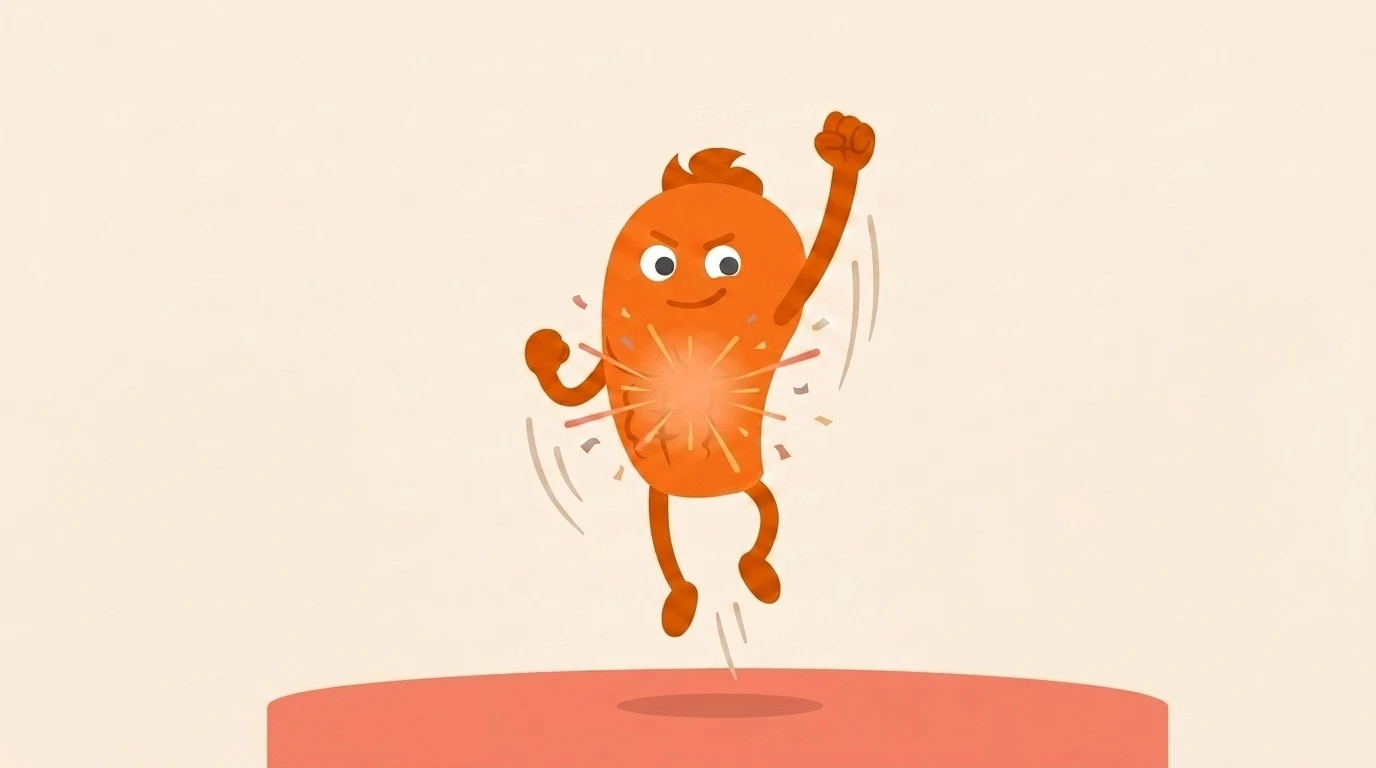
Illustration for the article: The Celebration Technique: Why Emotion Creates Habits

The Celebration Technique: Why Emotion Creates Habits

The celebration technique is BJ Fogg's method for locking in a habit: the moment you finish a behavior, you create a genuine flash of positive emotion — a smile, a fist pump, a spoken "Yes!" Fogg's central principle is that emotions create habits, not repetition or willpower. Feel good the instant you finish, and your brain marks the behavior as worth repeating.

It's the most skipped step in habit-building and the one that does the most work. Here's why it matters and how to do it so it actually sticks.

Emotions Create Habits, Not Repetition

Most people believe habits form through sheer repetition — do a thing enough times and it becomes automatic. Fogg's work at Stanford's Behavior Design Lab points somewhere sharper: it's the emotion attached to a behavior, not the raw number of reps, that decides whether it becomes a habit.

His phrasing is deliberately blunt: emotions create habits. When you feel a positive emotion right after doing something, your brain encodes that behavior as rewarding and reaches for it again. Without the emotion, you can repeat an action for weeks and watch it stay effortful, because nothing is telling your brain the behavior is worth keeping. Fogg demonstrates the celebration live in his [TEDx talk](/sources/forget-big-change-start-with-a-tiny-habit-bj-fogg-at-tedxfremont-d2482185), anchoring a new behavior to an existing routine and showing the immediate positive reaction that's supposed to follow it. He develops the same principle at length in his book Tiny Habits.

This reframes the whole game. You're not waiting to eventually feel good about a habit after enough time passes. You're manufacturing the good feeling on purpose, immediately, so the wiring starts on day one. It's the engine underneath the entire [Tiny Habits method](/blog/tiny-habits-method-complete-guide), and it's the single biggest reason [Tiny Habits and Atomic Habits](/blog/tiny-habits-vs-atomic-habits) feel different in practice even though both use an anchor-style cue.

What a Celebration Actually Is

A celebration is any small action that creates a real, immediate positive feeling. In his book Tiny Habits, Fogg names that feeling Shine — the glow of a genuine "I did it" moment.

The form is up to you. Common ones:

  • A quick smile or grin.
  • A fist pump or a small victory pose.
  • Saying "Yes!" or "Nailed it!" out loud.
  • Picturing a crowd cheering, or a coach's proud nod.
  • A quiet, warm "good job" that you actually mean.

The specific gesture is irrelevant. What matters is that it produces authentic positive emotion. A hollow, going-through-the-motions celebration won't wire anything in — your brain isn't fooled by a performance. Find the one that gives you a real, if tiny, hit of pride.

Timing Is the Whole Point

The celebration only works if it's tightly coupled to the behavior. Fogg is specific: celebrate during the behavior or immediately after — within the same breath, not minutes later.

> Key insight: The brain links the emotion to whatever behavior it's closest to in time. Celebrate right as you finish, and the good feeling attaches to the habit. Wait, and it attaches to whatever you're doing by then instead.

This is why "I'll reward myself with a movie tonight" fails as reinforcement. By tonight, the behavior is long gone and the reward wires itself to the couch. The celebration technique works precisely because it collapses the gap between action and reward to nearly zero — which is also why it's such a strong fit for [building habits with ADHD](/blog/tiny-habits-for-adhd), where delayed rewards barely register.

Related Challenges & Plans

Lifechallenge

Reclaim Focus: Quit Porn

Reclaim your mental focus, energy, and self-control by quitting porn in this 30-day challenge with daily science-backed accountability.

Gabriele Oettingen
Based on Gabriele Oettingen · by GetMotivatedBuddies
10 min3×/week30dL2
Lifechallenge

28 Days Alcohol-Free

Reset your relationship with alcohol, restore deep REM sleep, and reclaim your morning focus in this guided 28-day challenge.

Annie Grace
Based on Annie Grace · by GetMotivated.ai
10 min3×/week28dL1
Lifechallenge

Clean Any Room in 5 Steps with Ann Russell

Clean any room with Ann Russell’s 5-step method. A direct, realistic 14-day plan for building cleaning habits that actually stick.

Ann Russell
In partnership with Ann Russell · by GetMotivatedBuddies
10 min3×/week14dL1
Health & Fitnesschallenge

Health & Fitness Daily Check-In

Intro challenge with 5-min daily check-ins. Build consistency with diet or exercise—alongside peers.

GetMotivatedBuddies
Created by GetMotivatedBuddies
10 min3×/week21dL1

Celebration vs. Reward: A Distinction Worth Keeping

People often use "celebrate" and "reward yourself" interchangeably, but Fogg draws a hard line between them, and the difference matters for whether either one actually works.

A reward is typically external and delayed: a treat after a good week, a purchase once you hit a goal. It sits outside the behavior, arriving later, if at all. A celebration is internal and immediate — a feeling you generate on the spot, using nothing but your own reaction. That immediacy is the entire mechanism. A reward that shows up hours or days later has nothing to attach to except whatever you were doing when it finally arrived. A celebration that fires the instant you finish attaches directly to the behavior that earned it, every single time.

This doesn't mean rewards are useless — a nice dinner after a hard week is still a nice dinner. It just means a reward can't do the job a celebration does. If you're relying on future treats to make a habit stick, the celebration technique asks you to add something faster and cheaper: a one-second flash of feeling good, paid immediately, every time.

Why People Skip It and How to Get Past the Awkwardness

Almost everyone resists celebrating at first. It feels silly to fist-pump over flossing one tooth. That awkwardness is the single biggest reason the technique gets dropped.

Two things help. First, do it privately until it feels natural — nobody has to see you grin at your coffee maker. Second, remember what the celebration is for: it's not a reward you've earned, it's a tool you're using to program your own brain. Once you feel the difference — habits that suddenly stick where they used to slide off — the awkwardness fades fast.

The payoff is worth the momentary silliness. A celebration takes one second and shortens the road to automaticity. Given that [habit formation timelines vary enormously](/blog/how-long-does-it-take-to-form-a-habit) from person to person, anything that speeds up the wiring is time well spent.

Matching the Celebration to the Moment

Not every behavior calls for the same celebration, and matching the two makes the whole thing easier to sustain.

For a private, solo behavior — flossing, journaling, a stretch before bed — a quiet, internal celebration works fine: a silent "good," a small smile nobody else needs to see. For a behavior that happens around other people, like standing up to stretch after a meeting, a smaller, more contained celebration (a private nod to yourself, a mental "nice") keeps the moment from feeling performative while still doing the job.

For a habit you're struggling to stick with, go bigger on purpose. A visible fist pump, a spoken "Yes!", even a tiny dance in an empty kitchen. The struggling habits are exactly where a stronger emotional signal earns its keep — you're not being dramatic, you're compensating for a weak existing association with a stronger deliberate one.

How the Celebration Fits the Whole Method

The celebration isn't a standalone trick — it's the final and most important step of a three-part recipe. Fogg's full formula is "After I [anchor], I will [tiny behavior]," and then you celebrate. The anchor supplies a reliable cue, the tiny behavior keeps the action easy enough to do on any day, and the celebration supplies the emotion that turns that easy action into a lasting one.

Take out any one piece and the habit wobbles. Without a good anchor, you forget. Without a tiny behavior, motivation creeps back in. And without the celebration, you're left doing quiet repetitions with nothing telling your brain they mattered. The celebration is what converts effort into reward on the spot, which is why Fogg treats it as non-negotiable rather than a nice extra.

There's a compounding effect, too. Each celebrated rep makes the next one a little more appealing, because your brain now expects a good feeling at the finish line. Over enough repetitions, that expectation is the pull that gets you started — the very thing motivation was supposed to provide, now built into the habit itself. Over time, that compounding is also what [identity-based habits](/blog/identity-based-habits-behavior-change) run on: each celebrated repetition isn't just reinforcing an action, it's collecting evidence for "I'm someone who does this," which is a sturdier foundation than motivation ever was.

Make Your First Celebration Count

If you're starting today, keep it simple. Pick one tiny behavior you already sometimes do — filling a water glass, taking one deep breath, writing a single line. The instant you finish, do something that gives you a genuine flash of pride. Not a planned reward, not a treat later. Right now, in the moment, a real "Yes."

Do that for a few days and pay attention to how the behavior starts to feel. That shift — from something you make yourself do to something that carries a small glow — is the celebration technique working. Once you've felt it once, you'll trust it everywhere. It won't turn automatic overnight — [the research on habit formation](/sources/how-are-habits-formed-modelling-habit-formation-in-the-real-world-6eadadb6) found a wide range across people — but the emotion is what shortens the road.

Frequently Asked Questions

What is the celebration technique in Tiny Habits? The celebration technique is BJ Fogg's step of creating a genuine flash of positive emotion — a smile, fist pump, or spoken "Yes!" — the instant you finish a new behavior. That good feeling signals to your brain that the behavior is worth repeating, which wires the habit in faster than repetition alone.

Why does celebrating help build habits? Fogg argues that emotions, not repetition, create habits. When you feel good immediately after a behavior, your brain tags it as rewarding and is more likely to repeat it. Celebration deliberately manufactures that positive emotion instead of waiting for it to appear on its own.

When should you celebrate a habit? Immediately — during the behavior or right after you finish, while the action is still fresh in your mind. A delayed celebration loses most of its wiring power because the brain needs the emotion tied closely to the behavior.

What counts as a celebration? Anything that creates a real, immediate positive feeling: a smile, a fist pump, saying "Yes!" out loud, a quick victory pose, or picturing a crowd cheering. The specific action doesn't matter — the genuine emotion does.

Is the celebration technique the same as rewarding yourself? No. A reward is usually external and delayed — a treat later, a purchase after a good week. A celebration is internal and immediate: a feeling you generate on the spot, at the moment the behavior ends. The gap between action and reward is what determines whether the brain links the two, so a same-second celebration works where a delayed reward doesn't.

What if celebrating feels fake or forced? That's normal at first, especially for small or private behaviors. Start with a quiet, private version — a one-second smile, a silent "good" — rather than skipping the step entirely. The feeling gets more genuine with repetition, and even a modest celebration works better than none.

How GetMotivated.ai Can Help

The celebration is powerful on your own — and stronger when it's shared. GetMotivated.ai pairs the anchor–behavior–celebration recipe with a buddy who's genuinely glad you showed up, which adds a second, social layer of Shine to every win. That combination of a proven emotional trigger and real human encouragement is what turns a quick "Yes!" into a habit you keep, and eventually into the person you're becoming.

Next time you search, our newest guide shows up.

Sources

Forget big change, start with a tiny habit: BJ Fogg at TEDxFremontVideo
TEDx Talks
BJ Fogg introduces the Tiny Habits method, explaining how small behavioral changes can lead to significant long-term personal transformation. He demonstrates how anchoring new habits to existing routines simplifies the process of building lasting positive behaviors.
Tiny Habits: The Small Changes That Change EverythingBook
BJ Fogg
BJ Fogg presents a science-based method for lasting change by starting with small, easy behaviors anchored to existing routines. This approach prioritizes behavioral design and positive reinforcement over willpower.
How Are Habits Formed: Modelling Habit Formation in the Real WorldResearch
Phillippa Lally et al.
A psychological study investigating how long it takes to form a habit, finding that automaticity is typically achieved through 66 days of consistent repetition.

Topics

habit formationneurosciencebehavioral changedopamine

AI-ready summary

The celebration technique is BJ Fogg's method for locking in a new habit: the moment you finish a behavior, you create a genuine flash of positive emotion — a smile, a fist pump, a spoken 'Yes!' Fogg's central principle, demonstrated in his TEDx talk, is that emotions create habits, not repetition or willpower. Feeling good immediately after an action tells your brain the behavior is worth repeating, so the habit wires in faster. In his book Tiny Habits, Fogg names this good feeling 'Shine,' and timing matters: the celebration must come right after the behavior, while the memory is fresh.

Key takeaways

  • Fogg's core principle: emotions create habits — repetition alone does not wire a behavior in.
  • A celebration is any action that creates immediate positive emotion right after you do the behavior.
  • Timing is everything: celebrate during or immediately after the behavior, not minutes later.
  • Fogg treats the celebration as a required step, not an optional bonus — demonstrated live in his TEDx talk; in his book Tiny Habits, he names the good feeling 'Shine.'
  • The celebration must be genuine to work — a hollow, going-through-the-motions gesture won't reinforce the habit.

FAQs

What is the celebration technique in Tiny Habits?

The celebration technique is BJ Fogg's step of creating a genuine flash of positive emotion — a smile, fist pump, or spoken 'Yes!' — the instant you finish a new behavior. That good feeling signals to your brain that the behavior is worth repeating, which wires the habit in faster than repetition alone.

Why does celebrating help build habits?

Fogg argues that emotions, not repetition, create habits. When you feel good immediately after a behavior, your brain tags it as rewarding and is more likely to repeat it. Celebration deliberately manufactures that positive emotion instead of waiting for it to appear on its own.

When should you celebrate a habit?

Immediately — during the behavior or right after you finish, while the action is still fresh in your mind. A delayed celebration loses most of its wiring power because the brain needs the emotion tied closely to the behavior.

What counts as a celebration?

Anything that creates a real, immediate positive feeling: a smile, a fist pump, saying 'Yes!' out loud, a quick victory pose, or picturing a crowd cheering. The specific action doesn't matter — the genuine emotion does.

Is the celebration technique the same as rewarding yourself?

No. A reward is usually external and delayed — a treat later, a purchase after a good week. A celebration is internal and immediate: a feeling you generate on the spot, at the moment the behavior ends. The gap between action and reward is what determines whether the brain links the two, so a same-second celebration works where a delayed reward doesn't.

What if celebrating feels fake or forced?

That's normal at first, especially for small or private behaviors. Start with a quiet, private version — a one-second smile, a silent 'good' — rather than skipping the step entirely. The feeling gets more genuine with repetition, and even a modest celebration works better than none.

Related Challenges & Plans

Lifechallenge

Reclaim Focus: Quit Porn

Reclaim your mental focus, energy, and self-control by quitting porn in this 30-day challenge with daily science-backed accountability.

Gabriele Oettingen
Based on Gabriele Oettingen · by GetMotivatedBuddies
10 min3×/week30dL2
Lifechallenge

28 Days Alcohol-Free

Reset your relationship with alcohol, restore deep REM sleep, and reclaim your morning focus in this guided 28-day challenge.

Annie Grace
Based on Annie Grace · by GetMotivated.ai
10 min3×/week28dL1
Lifechallenge

Clean Any Room in 5 Steps with Ann Russell

Clean any room with Ann Russell’s 5-step method. A direct, realistic 14-day plan for building cleaning habits that actually stick.

Ann Russell
In partnership with Ann Russell · by GetMotivatedBuddies
10 min3×/week14dL1
Health & Fitnesschallenge

Health & Fitness Daily Check-In

Intro challenge with 5-min daily check-ins. Build consistency with diet or exercise—alongside peers.

GetMotivatedBuddies
Created by GetMotivatedBuddies
10 min3×/week21dL1

Keep reading

Illustration for the article: How to Improve Self-Control
September 18, 20265 min readHabits & Behavioral Change

How to Improve Self-Control

Self-control is not a personality trait or a system you build once. Research shows it behaves like a resource that depletes, refills, and shifts with the time of day.

self-controlSelf-regulationacademic-stressprocrastination
Rachel SteinRead →
Illustration for the article: How to Study Effectively in a Short Time
September 17, 20265 min readHabits & Behavioral Change

How to Study Effectively in a Short Time

When the exam is close and the hours are gone, most of what you would normally do does not fit anymore. Here is what the research says actually survives compression.

Study Skillsexam prepprocrastinationtime management
Rachel SteinRead →
Illustration for the article: How to Study Effectively for Long Hours
September 16, 20265 min readHabits & Behavioral Change

How to Study Effectively for Long Hours

Hour six of a study session is not hour one. Mental fatigue changes what your brain can do, and the research shows exactly what breaks down first and how to protect it.

Study Skillsmental-fatiguefocusexam prep
Rachel SteinRead →
GetMotivated.ai

Behavioral health. Built with intention.

Structured support for ADHD, chronic health, recovery, focus, and long-term change.

Stay in the loop

Research, program launches, and behavioral health insights. Only useful updates.

By joining, you agree to receive emails from GetMotivated.ai. Unsubscribe anytime. See our Privacy Policy.

Explore

  • Browse Plans & Challenges
  • Challenges
  • ADHD Support
  • Health Support
  • Recovery Support
  • Blog
  • Creators
  • Sources
  • Tools
  • How It Works
  • Pricing

Topics

  • Focus
  • Habits
  • Work
  • Learn
  • Health
  • Life

Company

  • About
  • Contact
  • How We Research
  • Our Guarantee
  • Privacy
  • Terms

Work With Us

  • For Organizations
  • For Behavioral Health
  • For Education
  • Careers
  • Affiliates
  • Partners
  • Sponsors
Explore+
  • Browse Plans & Challenges
  • Challenges
  • ADHD Support
  • Health Support
  • Recovery Support
  • Blog
  • Creators
  • Sources
  • Tools
  • How It Works
  • Pricing
Topics+
  • Focus
  • Habits
  • Work
  • Learn
  • Health
  • Life
Company+
  • About
  • Contact
  • How We Research
  • Our Guarantee
  • Privacy
  • Terms
Work With Us+
  • For Organizations
  • For Behavioral Health
  • For Education
  • Careers
  • Affiliates
  • Partners
  • Sponsors

© 2026 GetMotivated.ai. All rights reserved.

PrivacyTerms

Calm structure. Clear next steps. Human accountability.