GetMotivated.ai Logo
How It WorksBlogLog in
  1. Home
  2. /
  3. Blog
  4. /
  5. Phone Addiction: The Science Behind Why You Can't Put It Down
June 16, 20269 min read

Phone Addiction: The Science Behind Why You Can't Put It Down

If you pick up your phone to check the time and find yourself still scrolling twenty minutes later, you are not weak-willed. You are caught in a dopamine loop that exploits the same reward circuitry your brain uses for food and social bonding. Here is what is actually happening, and how to change it.

GetMotivated.ai Team

Last reviewed: August 2026

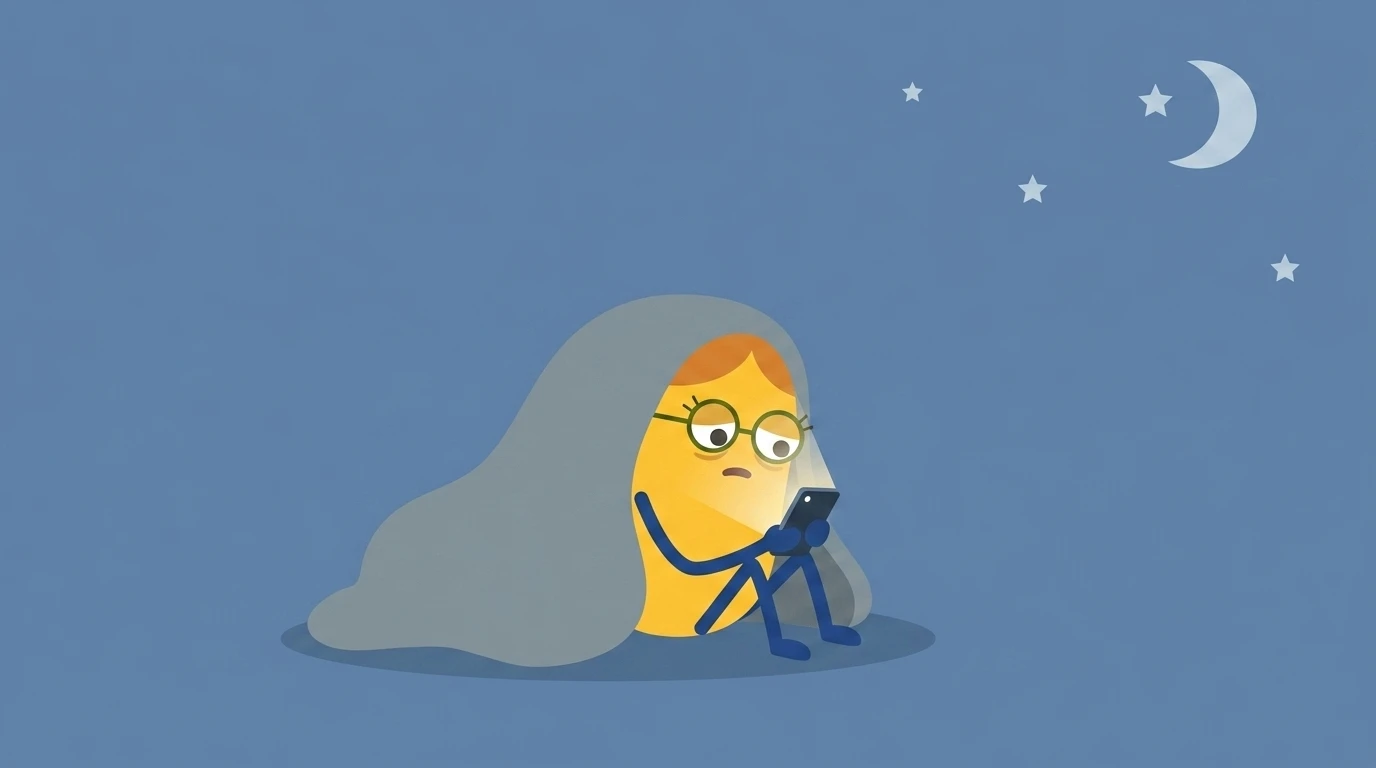
Illustration for the article: Phone Addiction: The Science Behind Why You Can't Put It Down

If you pick up your phone to check the time and find yourself still scrolling twenty minutes later, you are not weak-willed. You are caught inside a dopamine loop engineered to feel impossible to exit, one that exploits the same reward circuitry your brain uses for food, sex, and social bonding. The feeling of compulsion is not a personal failure; it is a predictable neurological response to a specific type of stimulus.

The short answer to why phones feel so hard to put down: your brain treats notifications, likes, and infinite feeds as unpredictable rewards, and unpredictable rewards drive more compulsive behavior than guaranteed ones. Understanding that mechanism is the first step toward changing your relationship with your phone.

What Happens in Your Brain When You Scroll

Every time you reach for your phone, your brain's mesolimbic dopamine system activates. Dopamine is commonly called the "pleasure chemical," but that description is misleading. It is more accurately a motivation and anticipation signal. As Stanford neuroscientist Andrew Huberman explains in his work on dopamine regulation, the sharpest dopamine rises occur in the moments before a reward, not during it. That means the act of reaching for your phone, before you have even seen anything interesting, already generates a dopamine spike.

Social media feeds and notification systems exploit this by delivering rewards on what psychologists call a variable-ratio schedule. Sometimes you open an app and find something exciting. Sometimes there is nothing. That unpredictability is what makes the behavior so difficult to stop. Slot machines operate on the same principle and are considered one of the most addictive formats humans have ever engineered. Your phone is a slot machine you carry in your pocket.

The pull-to-refresh gesture is not accidental. It mimics the physical motion of pulling a slot machine lever, providing the same brief moment of anticipation before the screen updates. Every notification badge is an unpredictable signal that might mean something important, or nothing at all. The uncertainty is the mechanism.

Smartphone Addiction Scale - Short Version (SAS-SV)

Rate how much you agree with each statement.

Missing planned work due to smartphone use

1 of 10
Pick one to begin

The Pleasure-Pain Balance and Why More Never Feels Like Enough

Dr. Anna Lembke, a psychiatry professor at Stanford and the author of Dopamine Nation (2021), describes how the brain maintains balance between pleasure and pain using what she calls the pleasure-pain scale. Every time dopamine surges on the pleasure side, the brain compensates by tilting the scale toward pain: anxiety, restlessness, irritability, boredom. The only thing that temporarily relieves that discomfort is another hit of the same stimulus.

This is why heavy phone users often report feeling worse after extended scrolling sessions, not better. The brain adapts to constant stimulation by downregulating its dopamine receptors, meaning the same content delivers less reward over time. You need more to get the same effect. Lembke documents this tolerance pattern across addiction categories, from opioids to sugar to gambling, and phone use follows the same neurochemical arc.

The practical consequence is that the longer you scroll, the worse your baseline mood becomes. When the phone is eventually put down, the scale tips to the pain side, producing restlessness and a strong urge to pick it back up. Many people misinterpret this as proof that they need their phone to feel okay, when what they are actually experiencing is a withdrawal-like state from overstimulation.

Variable Rewards and the Engineering Behind the Hook

Former product designers at major tech companies have described publicly building notification systems and feed algorithms to maximize "time on device." The behavioral science they borrowed from is not obscure: variable-ratio reinforcement schedules produce higher and more persistent rates of behavior than any other reward pattern. This was established by B.F. Skinner in the 1950s and has been applied systematically to digital product design.

The National Institute on Drug Abuse notes that repeated exposure to high-dopamine stimuli alters the brain's reward circuitry in ways that impair self-control over time. This is not a metaphor for addiction. The neurological mechanism, changes to dopamine receptor density and prefrontal cortex regulation, is structurally similar whether the stimulus is a drug or a behavioral pattern.

Huberman's work on dopamine management points to a related problem: layering dopamine sources. When people listen to music while scrolling while drinking coffee, the combined dopamine load is higher than any single source. The brain adapts to that combined level, which means each individual source, including music, food, and ordinary social interaction, becomes less satisfying on its own. Phones are rarely used in isolation, which makes the overstimulation problem worse than screen time numbers alone would suggest.

Who Is Most at Risk

Not everyone develops the same relationship with their phone. Research by Nora D. Volkow (2011) on ADHD and reward pathways shows that individuals with ADHD have differences in dopamine-related circuitry that make them more sensitive to variable reward environments. Because dopamine regulates both attention and motivation, people who already struggle with attention regulation find high-stimulation digital environments particularly compelling and significantly harder to disengage from. For someone with ADHD, the phone is not just entertaining; it is neurologically regulating in a way that feels necessary.

Other factors that increase risk include:

  • Adolescence. Early exposure alters developing reward circuits during a period of high neuroplasticity. The teenage brain is especially sensitive to dopamine-driven learning, which is why habits formed in adolescence tend to be more persistent.
  • Social isolation. Phone use fills the dopamine gap left by in-person connection. Humans are wired for social reward, and when face-to-face interaction is limited, digital substitutes become more reinforcing.
  • Anxiety. Compulsive checking provides temporary reassurance that something important has not been missed. Over time, the checking becomes habitual even when nothing is causing anxiety.
  • Depression. Scrolling offers passive stimulation when initiating other activities feels impossible. It is low-effort relative to its immediate reward, which makes it the path of least resistance when motivation is depleted.

Related Challenges & Plans

Lifechallenge

Reclaim Focus: Quit Porn

Reclaim your mental focus, energy, and self-control by quitting porn in this 30-day challenge with daily science-backed accountability.

Gabriele Oettingen
Based on Gabriele Oettingen · by GetMotivatedBuddies
10 min3×/week30dL2
Lifechallenge

Quit Porn: 42-Day Neurological Reboot with Accountability

Reclaim your focus, energy, and sexual health through a science-backed 42-day neurological reset designed for men.

Gary Wilson
Based on Gary Wilson · by GetMotivated.ai
10 min3×/week42dL2

Practical Steps to Reclaim Your Attention

The science points toward concrete interventions, not willpower pep talks.

Remove the variable reward from the equation

Turn off all non-essential notifications. When your phone cannot surprise you, it loses most of its pull. Huberman's research on dopamine regulation suggests that reducing unpredictable dopamine sources allows the brain space to restabilize its baseline over days to weeks. This single intervention, removing surprise from the phone, is underrated relative to more dramatic approaches.

Introduce scheduled checking windows

Rather than allowing unlimited reactive checking throughout the day, designate two or three times per day to review messages and feeds. This converts phone use from a compulsive, trigger-driven behavior into an intentional one. Most urgent things are not actually urgent, and the discomfort of waiting for a scheduled check usually fades faster than expected.

Restore your baseline dopamine sensitivity

Lembke recommends periods of abstinence from high-stimulation activities to allow the pleasure-pain scale to rebalance. Even a 24-hour phone fast can begin resetting tolerance. Longer breaks, such as a week away from social media, produce more durable changes in how satisfying ordinary experiences feel. The goal is not permanent abstinence but recalibrated sensitivity.

Replace the behavior, don't just delete it

The urge to check your phone is often masking something else: boredom, discomfort, procrastination, loneliness, anxiety. Identifying the underlying trigger and substituting a different response, a short walk, a conversation, a glass of water, addresses the root rather than just the symptom. Without a replacement, the behavioral urge tends to resurface quickly.

Track what you actually lose

Most people significantly underestimate their daily screen time. Using the built-in screen time tools on your phone, broken down by category, tends to create more motivation for change than any abstract intention. Seeing four hours marked as "social media" on a Tuesday afternoon is a different experience from estimating that you "probably use your phone too much."

---

Frequently Asked Questions

Is phone addiction a real medical diagnosis?

Not yet in the DSM-5, but researchers and clinicians increasingly treat problematic smartphone use as a behavioral addiction with the same neurological profile as substance addictions. The National Institute on Drug Abuse recognizes that repeated high-dopamine stimuli alter reward circuitry regardless of whether the source is chemical or behavioral. Many clinicians now screen for problematic phone use using the same criteria applied to gambling disorder.

How many hours of phone use per day is considered excessive?

There is no universal threshold, but research consistently associates usage over four to five hours per day with negative mental health outcomes, particularly in adolescents. The more useful question is whether phone use is displacing sleep, face-to-face relationships, or work that matters to you. Impairment in those areas, at any screen time total, is a clearer signal than hours alone.

Can phone addiction cause anxiety and depression?

The relationship is bidirectional. Anxiety and depression often drive increased phone use as a coping mechanism, and heavy use tends to worsen both conditions by disrupting sleep, reducing dopamine baseline sensitivity, and replacing more meaningful activities with passive scrolling. Treating one without addressing the other rarely produces lasting improvement.

Why do I feel anxious when I don't have my phone?

That restlessness is the pain side of the pleasure-pain balance. When you remove a high-dopamine stimulus the brain has adapted to, neurochemistry needs time to rebalance. The anxiety typically peaks in the first 24 to 48 hours of reduced use and fades with continued abstinence. Recognizing it as a temporary recalibration rather than evidence that you need your phone makes it easier to tolerate.

What is the fastest way to break a phone addiction?

A period of deliberate reduction combined with behavior substitution produces the fastest neurological shift. Removing apps from your home screen, enabling grayscale mode, and turning off all non-essential notifications simultaneously eliminates multiple hooks at once. A structured challenge, committing to a 30-day screen time reduction with daily tracking, provides external accountability that most people find significantly more effective than relying on willpower alone.

---

If any of this resonates, the GetMotivated.AI Digital Detox Challenge walks you through a structured 30-day reduction plan: daily check-ins, replacement habit suggestions, and a community of people working through the same recalibration. It is not about eliminating your phone; it is about making it something you choose rather than something that chooses you.


Next time you search, our newest guide shows up.

Sources

Dopamine Nation: Finding Balance in the Age of IndulgenceBook
Anna Lembke
A compelling look at the neuroscience of addiction and the "pleasure-pain balance," offering strategies to reclaim focus and moderation in a world of instant gratification.
How to Break Up With Your PhoneBook
Catherine Price
A practical guide to reclaiming focus and mental well-being by establishing a healthier, more intentional relationship with your smartphone.
The Important Role of Executive Functioning and Self-Regulation in ADHDArticle
russellbarkley.org · Russell A. Barkley, Ph.D.
ADHD is characterized by deficits in self-regulation and executive functioning, which are closely related. Effective management involves externalizing internal information and motivation, providing immediate rewards, and using medication to address underlying neurological issues, as traditional appr
Controlling Your Dopamine For Motivation, Focus & SatisfactionVideo
Andrew Huberman
Stanford professor Andrew Huberman explains the neurobiology of dopamine and its role in driving motivation, desire, and addiction. This episode offers practical protocols like cold water therapy to sustain energy and focus while avoiding the pitfalls of dopamine depletion.
Self-Compassion: The Proven Power of Being Kind to YourselfBook
Kristin Neff
Kristin Neff explores self-compassion as a transformative tool for mental health, offering a practical framework based on self-kindness, mindfulness, and our shared human experience.
Self-Compassion: The New ADHD TreatmentArticle
additudemag.com · Kristin Neff
This article explores how self-compassion builds resilience in adults with ADHD by replacing self-criticism with a mindfulness-based practice of self-kindness and shared humanity.
The Exercise EffectArticle
apa.org · Kirsten Weir
This 2011 APA Monitor article examines the significant impact of physical exercise on mental health, mood, and cognitive function.

Topics

phone addictionscreen timedigital wellnessdopamine

AI-ready summary

Phone addiction is driven by dopamine-based variable reward loops engineered into app design. The brain's mesolimbic system responds to unpredictable notifications and feeds the same way it responds to slot machines. Repeated overstimulation leads to tolerance, reduced baseline satisfaction, and compulsive checking behavior. Risk is higher for adolescents, people with ADHD, and those experiencing anxiety or isolation. Effective interventions include notification removal, scheduled checking windows, short abstinence periods, and behavior substitution.

Key takeaways

  • Phones exploit the brain's dopamine system through variable reward schedules, not a character flaw in the user
  • Heavy use creates tolerance and withdrawal-like symptoms through the same neurological mechanism as substance addiction
  • Recovery works by reducing unpredictable stimulation, restoring dopamine baseline sensitivity, and addressing the underlying triggers driving the behavior

FAQs

Is phone addiction a real medical diagnosis?

Not yet in the DSM-5, but researchers and clinicians increasingly treat problematic smartphone use as a behavioral addiction with the same neurological profile as substance addictions. The National Institute on Drug Abuse recognizes that repeated high-dopamine stimuli alter reward circuitry regardless of whether the source is chemical or behavioral.

How many hours of phone use per day is considered excessive?

There is no universal threshold, but most research associates usage over four to five hours per day with negative mental health outcomes, particularly in adolescents. The more useful question is whether phone use is displacing sleep, face-to-face relationships, or work that matters to you.

Can phone addiction cause anxiety and depression?

The relationship is bidirectional. Anxiety and depression often drive increased phone use as a coping mechanism, and heavy use tends to worsen both conditions by disrupting sleep, reducing dopamine baseline sensitivity, and replacing more meaningful activities with passive scrolling.

Why do I feel anxious when I don't have my phone?

That restlessness is the "pain" side of what Dr. Anna Lembke calls the pleasure-pain balance. When you remove a high-dopamine stimulus the brain has adapted to, neurochemistry needs time to rebalance. The anxiety typically peaks in the first 24 to 48 hours of reduced use and fades with continued abstinence.

What is the fastest way to break a phone addiction?

A period of deliberate reduction combined with behavior substitution produces the fastest neurological shift. Removing apps from your home screen, enabling grayscale mode, and turning off all non-essential notifications simultaneously eliminates multiple hooks at once. A structured 30-day challenge provides external accountability that most people find more effective than relying on willpower alone.

Related Challenges & Plans

Lifechallenge

Reclaim Focus: Quit Porn

Reclaim your mental focus, energy, and self-control by quitting porn in this 30-day challenge with daily science-backed accountability.

Gabriele Oettingen
Based on Gabriele Oettingen · by GetMotivatedBuddies
10 min3×/week30dL2
Lifechallenge

Quit Porn: 42-Day Neurological Reboot with Accountability

Reclaim your focus, energy, and sexual health through a science-backed 42-day neurological reset designed for men.

Gary Wilson
Based on Gary Wilson · by GetMotivated.ai
10 min3×/week42dL2

Keep reading

Illustration for the article: How to Stop Phone Addiction: What the Research Actually Says
August 26, 20268 min readHabits & Behavioral Change

How to Stop Phone Addiction: What the Research Actually Says

Deleting apps rarely works because low mood usually comes first. Research on 584 students shows what actually drives phone addiction, and what helps.

phone addictionsmartphone usescreen timeburnout
Dana KimRead →
Illustration for the article: ADHD Motivation: Why Interest Moves You When Willpower Doesn't
August 9, 20269 min readADHD & Neurodivergence

ADHD Motivation: Why Interest Moves You When Willpower Doesn't

ADHD motivation runs on interest, autonomy, and connection more than on deadlines or willpower. Here's what the dopamine and self-determination theory research actually shows — and how to use it instead of fighting it.

adhddopaminemotivationself-determination theory
The GetMotivated.ai TeamRead →
Illustration for the article: ADHD Hyperfocus: Why It Happens and How to Work With It
August 8, 20269 min readADHD & Neurodivergence

ADHD Hyperfocus: Why It Happens and How to Work With It

ADHD hyperfocus is a real, measurable attentional state — not the same as flow — where the brain locks onto an interesting task and everything else disappears. Here's what the research shows and how to use it without losing your day.

adhddopamineexecutive dysfunctionhyperfocus
The GetMotivated.ai TeamRead →
GetMotivated.ai

Behavioral health. Built with intention.

Structured support for ADHD, chronic health, recovery, focus, and long-term change.

Stay in the loop

Research, program launches, and behavioral health insights. Only useful updates.

By joining, you agree to receive emails from GetMotivated.ai. Unsubscribe anytime. See our Privacy Policy.

Explore

  • Browse Plans & Challenges
  • Challenges
  • ADHD Support
  • Health Support
  • Recovery Support
  • Blog
  • Creators
  • Sources
  • Tools
  • How It Works
  • Pricing

Topics

  • Focus
  • Habits
  • Work
  • Learn
  • Health
  • Life

Company

  • About
  • Contact
  • How We Research
  • Our Guarantee
  • Privacy
  • Terms

Work With Us

  • For Organizations
  • For Behavioral Health
  • For Education
  • Careers
  • Affiliates
  • Partners
  • Sponsors
Explore+
  • Browse Plans & Challenges
  • Challenges
  • ADHD Support
  • Health Support
  • Recovery Support
  • Blog
  • Creators
  • Sources
  • Tools
  • How It Works
  • Pricing
Topics+
  • Focus
  • Habits
  • Work
  • Learn
  • Health
  • Life
Company+
  • About
  • Contact
  • How We Research
  • Our Guarantee
  • Privacy
  • Terms
Work With Us+
  • For Organizations
  • For Behavioral Health
  • For Education
  • Careers
  • Affiliates
  • Partners
  • Sponsors

© 2026 GetMotivated.ai. All rights reserved.

PrivacyTerms

Calm structure. Clear next steps. Human accountability.