Days 60–90: First Measurable Changes
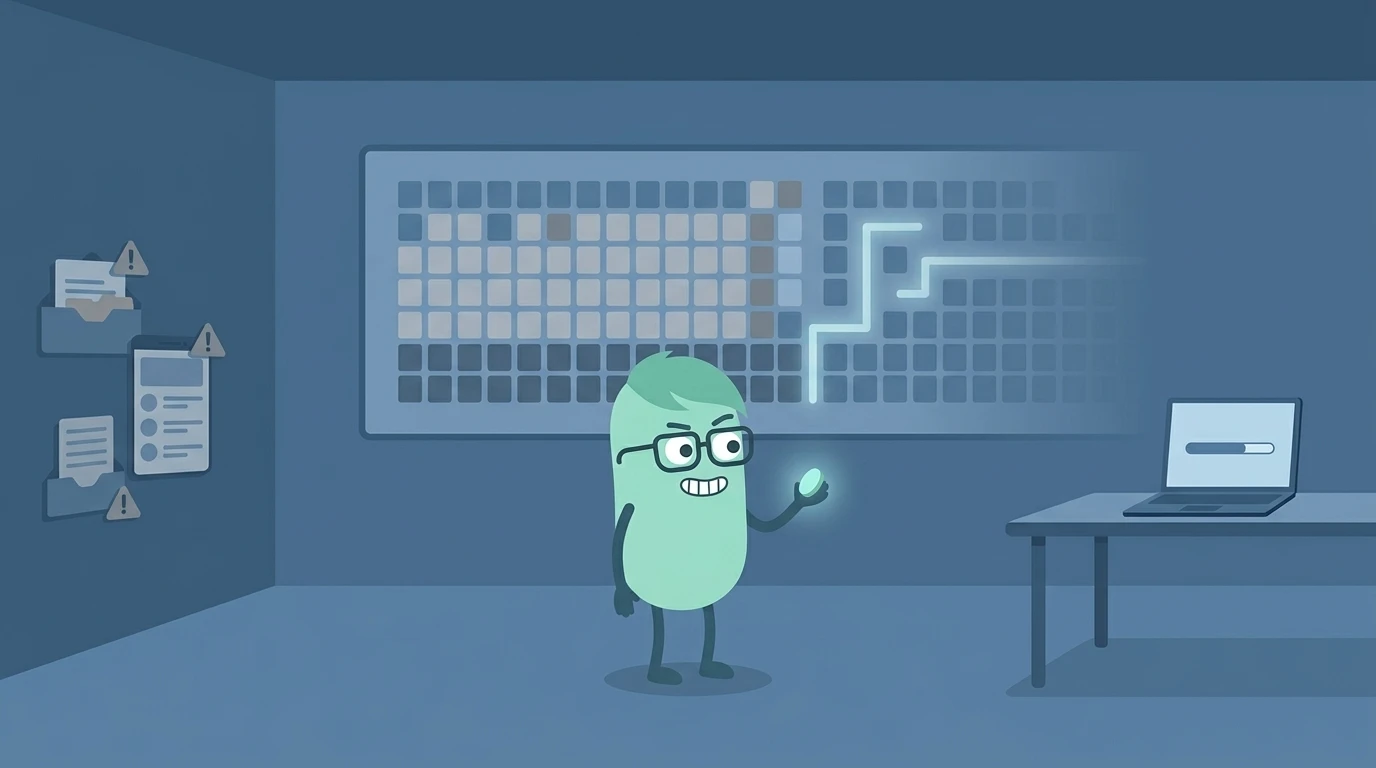
Around the 90-day mark, most people report their first clear evidence of neurological change:
• Increased motivation for real-world activities
• Improved mood stability
• Reduced intensity of porn cravings
• Return of baseline sexual interest in real-world stimulation (for those in relationships)
• Clearer thinking and reduced brain fog
This is the basis for the "90-day reboot" popularized by NoFap and similar communities. The 90-day figure isn't arbitrary — it approximates the time required for meaningful dopamine receptor restoration based on what we know about addiction recovery timelines.
Key Stat: Research on dopamine receptor recovery in substance addiction shows that receptor density normalizes at 60–90% of baseline within 60–90 days of abstinence in most subjects, with continued improvement over 12 months. — Source: Koob & Volkow, Neuropsychopharmacology Review
Months 3–12: Deeper Recovery
The 90-day point is a milestone, not the finish line. Between months three and twelve, the changes become more stable and less fragile:
• Emotional regulation improves significantly
• Real-world social motivation returns
• Creative drive and ambition often increase
• Relationships become easier to navigate
• Relapse urges become less frequent and less intense
The prefrontal cortex — the part of the brain responsible for long-term decision-making and impulse control — requires 6–12 months of sustained abstinence to show full functional restoration, according to the neuroplasticity research by Hilton and Watts.
What Slows Down Brain Rewiring
Not all recoveries progress at the same rate. These factors significantly slow the rewiring process:
Pornography substitutes: Switching from video porn to sexual fantasy, erotic fiction, or sexual content on social media maintains the same dopaminergic stimulation. The brain cannot distinguish the source of the superstimulus — only whether the reward circuit is being fired at supranormal levels.
Stress without coping strategies: Cortisol (stress hormone) interacts with dopamine pathways. Chronic unmanaged stress slows receptor recovery and increases craving intensity. This is why "white-knuckling" abstinence without addressing underlying stress rarely produces lasting recovery.
Social isolation: Recovery in isolation removes the social reward signals that help normalize dopamine function. The brain needs real-world social engagement to recalibrate its reward system — screen-based connection doesn't fully substitute.
Passive abstinence: Simply not watching porn, without building replacement habits, leaves the neural pathways associated with boredom and stress pointing toward the same old coping mechanism. Rewiring requires building new pathways, not just blocking old ones.
How to Accelerate the Rewiring Process
Exercise is the most evidence-backed accelerant. Regular aerobic exercise increases dopamine production directly, stimulates BDNF (brain-derived neurotrophic factor, which supports neural remodeling), and reduces stress hormones. For porn recovery, this is not optional. It is the most effective neurological lever available.
Cold exposure (cold showers, cold water immersion) provides acute dopamine spikes through a mechanism separate from the reward pathway — giving the brain a legitimate, healthy dopamine signal during the flatline when natural dopamine is lowest.
Structured daily routine reduces the unstructured time that triggers urges. Research on habit formation consistently shows that environmental design (when and where you are, what you're doing) predicts behavior better than willpower alone.
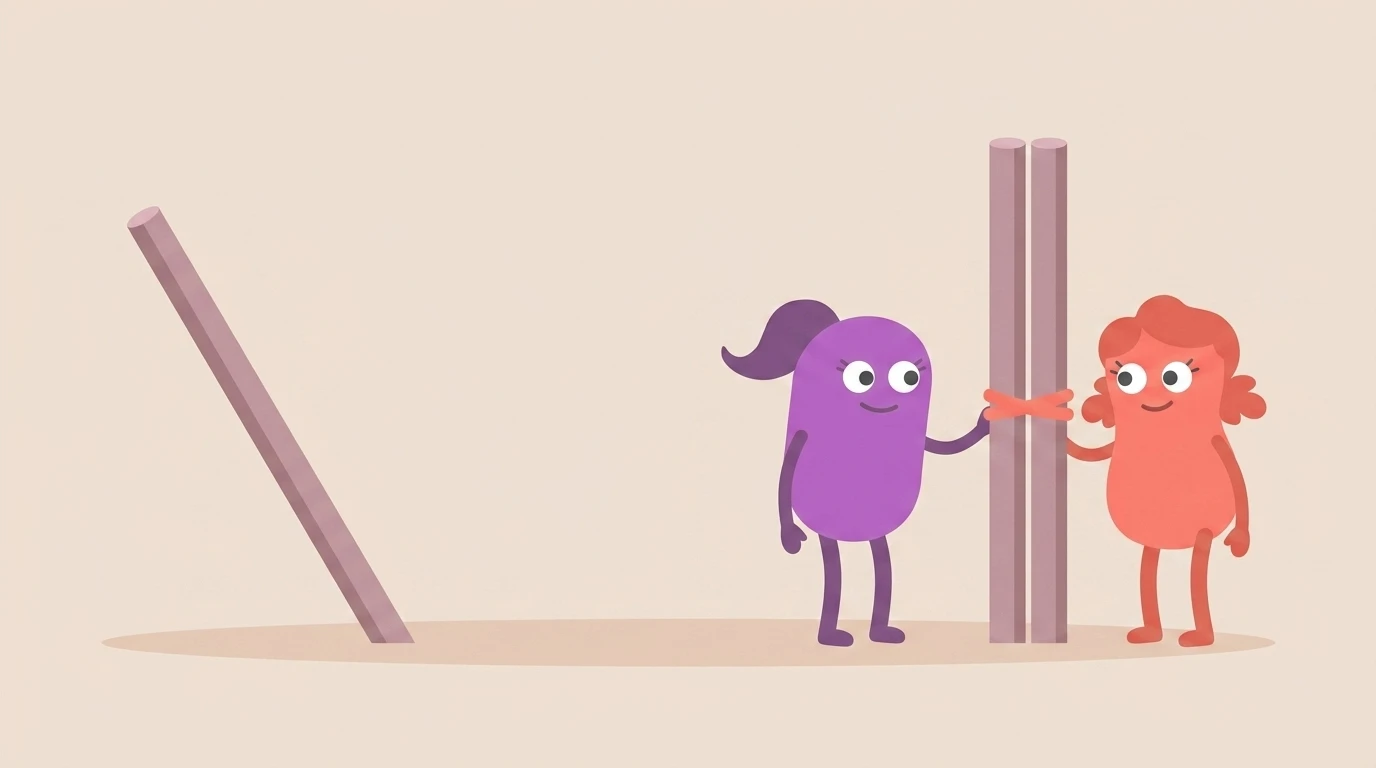
Accountability partnerships address the isolation problem directly. A 2019 review of behavioral addiction recovery found that participants with structured accountability partners showed significantly lower relapse rates than those using self-monitoring alone.
Why Accountability Makes the Difference During Rewiring
The science of porn recovery points to a consistent gap: most people understand the neurological process but attempt recovery in isolation. They install blockers, set streaks, and white-knuckle through urges — alone.
The problem is that isolation is itself a recovery inhibitor. Social connection is a primary dopamine signal. When you remove porn from your reward circuit without replacing it with real-world connection and community, you're asking the dopamine system to recover while remaining understimulated.
Apps like Covenant Eyes and BlockerX address the environmental side — blocking access. They're useful tools. But blocking alone doesn't replace the social connection the dopamine system needs to recalibrate.
GetMotivated.ai takes a different approach: structured recovery programs with milestone tracking, buddy matching that pairs you with someone working through the same challenge, and group cohorts where your progress is visible and your setbacks don't land in a vacuum.
The buddy matching feature specifically targets what the research identifies as the highest-risk period — weeks two through six of the flatline. When you have a consistent partner who checks in and expects to hear from you, the social accountability creates a real-world reward signal that directly supports dopamine recalibration. It's not a workaround. It's neuroscience.
For anyone who has relapsed through multiple solo attempts, structured recovery challenges on GetMotivated.ai offer the combination that passive abstinence alone cannot: milestones that make progress visible, community that normalizes struggle, and accountability that closes the loop between intention and action.
The Honest Answer About Timeline
There is no universal answer because individual recovery speed depends on years of use, frequency, whether other addictions co-occur, stress load, and whether you're actively building new habits or just abstaining.
What the research supports:
• 60–90 days: First measurable neurological changes, reduced craving intensity
• 6 months: Significant improvement in motivation, emotional regulation, and relationship satisfaction
• 12 months: Most people with moderate-to-heavy use reach stable recovery with low relapse frequency
Key Stat: In a survey of 1,000 recovery accounts compiled by Your Brain on Porn, 51% of respondents reported significant symptom improvement by day 90, with 84% reporting improvement by month 6. — Source: Your Brain on Porn — Gary Wilson
The flatline feels like failure. The 90-day mark feels premature to celebrate. Month six feels far away when you're in week three. That's why the framing matters: you are not waiting for willpower to kick in. You are waiting for biology to complete a process that is already underway. Your only job is not to interrupt it.