The Flatline: The Phase Nobody Warns You About
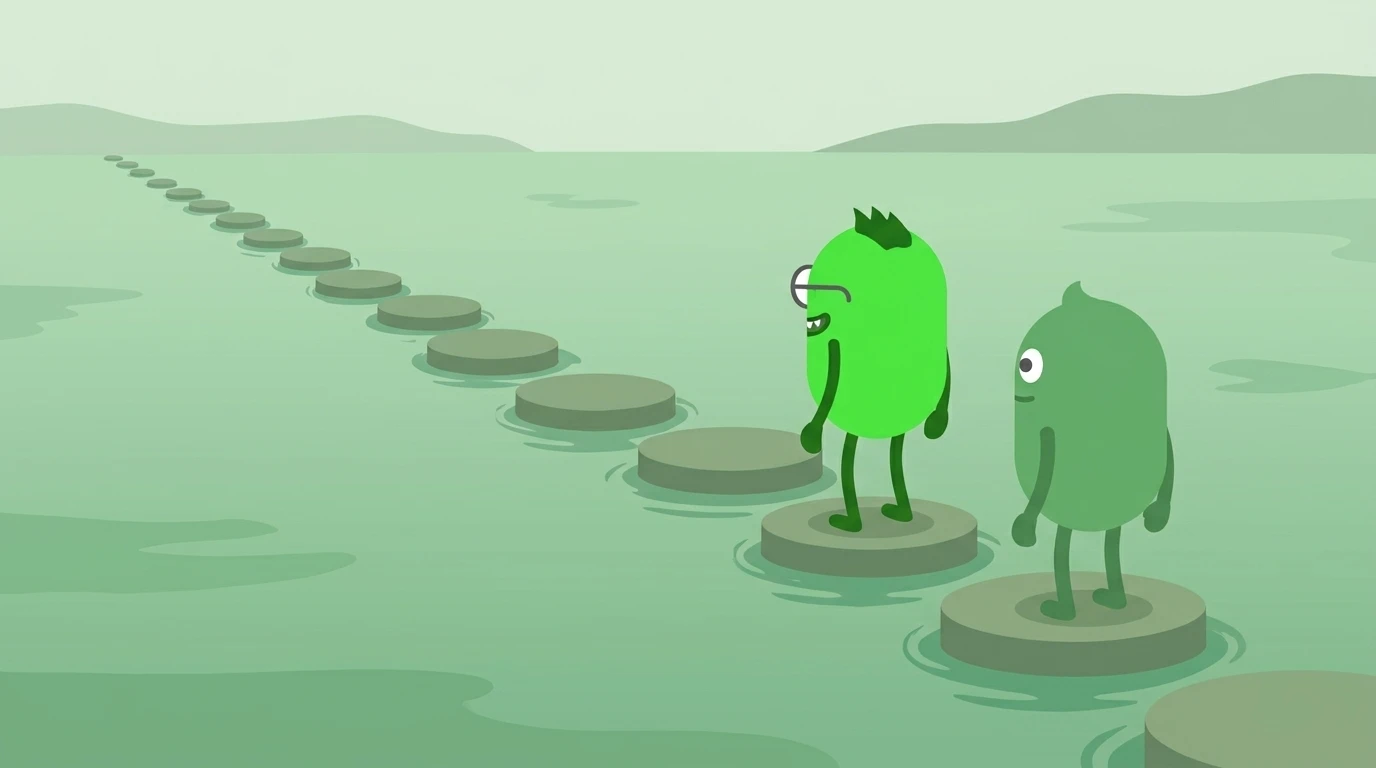
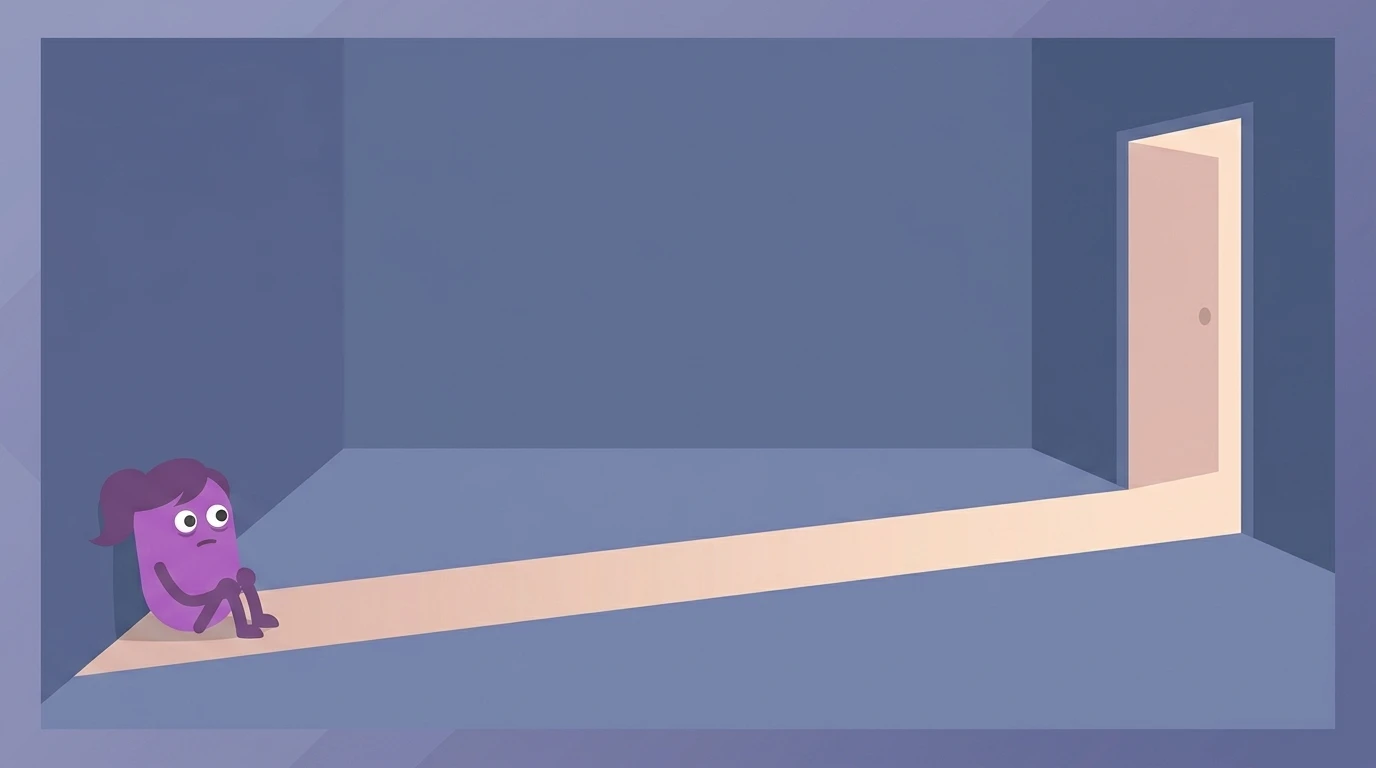
One of the most difficult and least-discussed aspects of porn withdrawal is what the recovery community calls "the flatline." This typically occurs several weeks into abstinence, after the acute craving phase subsides.
During the flatline, many people experience a period of low libido, emotional numbness, reduced motivation, and a general lack of interest in life. It can last anywhere from a few weeks to several months. Many people mistake this phase for proof that quitting isn't working, or that something is permanently wrong with them.
It isn't. The flatline is the brain in the process of recalibrating. Dopamine receptor sensitivity is rebuilding. The reward system is relearning how to respond to natural stimulation. The flatline ends for virtually everyone who maintains abstinence — though the duration varies.
How Long Does Porn Withdrawal Last?
Based on clinical reports and large community datasets from recovery programs, the timeline generally follows this pattern:
Days 1-7: Peak acute craving phase. Urges are most intense. Sleep disruption common. Irritability high. This is the phase with the highest relapse risk.
Days 7-14: Many people hit the hardest emotional period here — mood crashes, depression-like symptoms, strong anhedonia. Urges may actually feel stronger in week 2 as the novelty of the quit wears off.
Days 15-30: For many, acute craving intensity begins declining. Sleep often improves. Brain fog begins lifting. Still challenging, but clearer progress markers.
Days 30-90: The flatline period for many users. Motivation and mood may still feel suppressed, but acute cravings are typically less dominant. Significant neurological healing is occurring.
90 days and beyond: Most people report meaningful improvements in mood, concentration, energy, and motivation by the 90-day mark. Gary Wilson, author of Your Brain on Porn, documented this timeline extensively from thousands of recovery accounts. Some people — particularly those with longer or heavier use histories — require more time.
These are averages, not guarantees. Individual timelines vary.
What Causes a Porn Addiction?
Understanding the mechanics of how pornography use becomes compulsive helps explain why withdrawal is difficult — and why willpower alone is rarely sufficient to get through it.
The brain's dopamine system is designed to motivate behavior by creating desire before the reward, not satisfaction after it. Pornography exploits this system through a mechanism researchers call the Coolidge effect: the brain responds with heightened dopamine to novelty. Internet pornography provides unlimited novelty — new content, new scenarios, new stimulation — on demand. Each click resets the dopamine response.
Over months or years of this pattern, the brain re-wires itself. Gary Wilson, drawing on neuroscience research, describes this as the formation of strong neural pathways that associate relief, excitement, and escape with pornographic content specifically. When use stops, those pathways still exist. They fire. That's what a craving is — an existing neural circuit activating.
This is not a character flaw. It's how the brain works. And it means the solution isn't trying harder — it's creating conditions that support the brain's actual recalibration process.
How to Get Through Porn Withdrawal
Create Environmental Barriers
Willpower is a limited resource that depletes under stress — exactly when cravings are strongest. Environmental design works when willpower doesn't.
• Install content blockers on all devices: Apps like Covenant Eyes and BlockerX add friction between impulse and action. Research on habit change consistently shows that adding even small barriers to compulsive behavior significantly reduces its frequency. The goal isn't perfection — it's buying yourself time for the urge to pass.
• Block at the router level: Many people find phone-level blocking insufficient because they know how to bypass it. Router-level filtering applies to the whole network and removes that option.
• Restructure your device habits: Keep your phone out of the bedroom. Set app time limits. The goal is reducing the number of unstructured moments alone with a device.
Replace the Dopamine Pathway
Abstinence removes a stimulus the brain has been depending on for reward. Something needs to fill that space — not as a permanent replacement for recovery work, but as a bridge.
Exercise is among the most evidence-backed options. Vigorous physical exercise releases dopamine, norepinephrine, and endorphins — chemicals that directly address the mood and energy deficits of withdrawal. Multiple studies show that structured exercise reduces addictive cravings across substance and behavioral addictions.
Cold showers are a commonly reported tool in the recovery community not because of mystical effects but because they interrupt the automatic chain that leads from boredom or stress to device use. Deliberate physical discomfort requires attention that breaks the unconscious pattern.
Build in Accountability
Research on addiction recovery consistently identifies social accountability as one of the strongest predictors of sustained behavior change. Relapse rates in isolation are dramatically higher than in structured support environments.
The challenge is that accountability for pornography use involves significant stigma. Men — who make up the majority of people struggling with this — often find it extremely difficult to disclose this struggle to friends, family members, or therapists.
This is where structured digital accountability becomes valuable. Covenant Eyes, one of the ATP-identified tools in this space, operates on an accountability partner model: your browsing is monitored and reported to a designated person. The presence of that accountability layer changes behavior even before a specific incident occurs.
Platforms like GetMotivated.ai take this further by pairing you with an accountability buddy through a matching process — someone working on the same type of behavioral change, who checks in with you consistently. The key difference from an app-only approach: it's a human relationship, not just software surveillance. Research on addiction recovery is clear that human connection is a critical component. An accountability partner who texts you to check in on day 14 — often the hardest day — changes outcomes in a way that an app notification does not.
GetMotivated.ai also offers structured 30-day recovery challenges and cohort groups, where you move through a recovery structure alongside others in the same phase. This addresses what the research shows is a core driver of relapse: isolation. When your recovery is visible to a group that expects to hear from you, the flatline period feels different. You have something to show up for even on the days you feel nothing.
Manage the Flatline Period Specifically
The flatline is where most long-term recovery attempts break down. People who successfully navigate the first weeks often relapse during the flatline because they've lost acute urgency while still experiencing the numbness and low motivation of the recalibration period.
What helps during the flatline:
• Track progress in a format you can review: A simple daily log — even one sentence — provides evidence that you're moving forward when mood tells you you're not.
• Reduce decision fatigue: Structure your days with default activities for common trigger times. If 10 PM with your phone was always a high-risk window, plan something specific for that time before it arrives.
• Maintain social engagement even when it feels pointless: The neurological reward system is still rebuilding. Forcing low-stakes social contact during the flatline seeds the social reward pathways you need active.
Consider Professional Support
For people with heavy or long-term pornography use, professional support significantly improves long-term outcomes. Cognitive Behavioral Therapy adapted for compulsive pornography use helps identify the emotional triggers that drive the behavior and build alternate response patterns. Some therapists specialize in sexual health and behavioral addiction specifically.
If barrier-free access to a therapist isn't possible, online therapy platforms have made this more accessible. The ATP data for this topic shows people actively searching for telehealth-based counseling options for behavioral addiction — demand is there, and more providers now offer it.