Why if-then plans work better than willpower
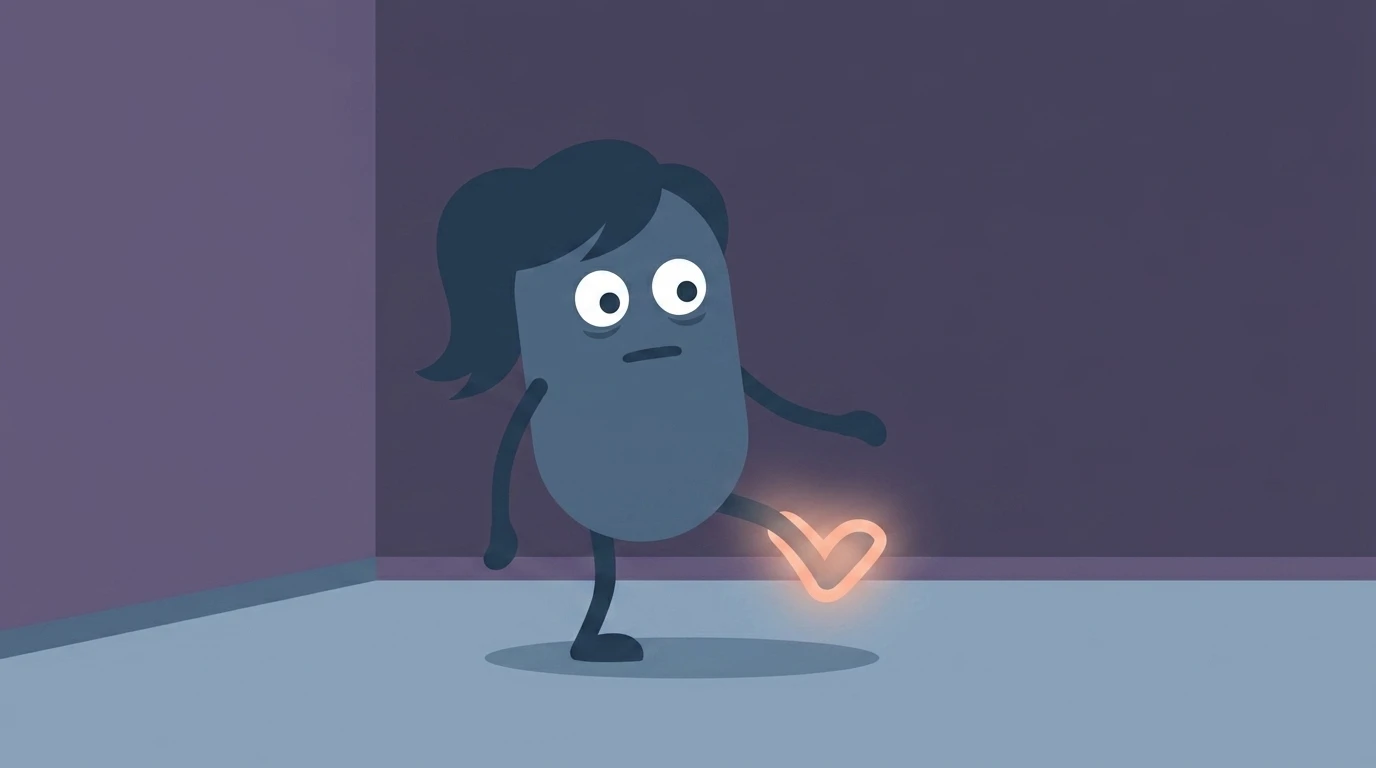
Depression makes the gap between intending to do something and actually doing it wider, partly because it affects the same memory and planning systems you'd normally lean on to get started. A meta-analysis of 29 experimental studies (18 published records, 1,636 participants) examined whether forming "implementation intentions," specific if-then plans, helps people with diagnosed mental health conditions reach goals they had set. Excluding one outlying result, the effect was large (d+ = 0.99), and it held across a range of conditions including depression, anxiety, and schizophrenia, and across goals from attending appointments to increasing physical activity. One included study of students with clinically elevated depression and anxiety scores found the same if-then technique reduced symptoms with a moderate effect. The plan works because it moves the decision out of the moment you're least equipped to make it.
The if-then method for depression and low motivation
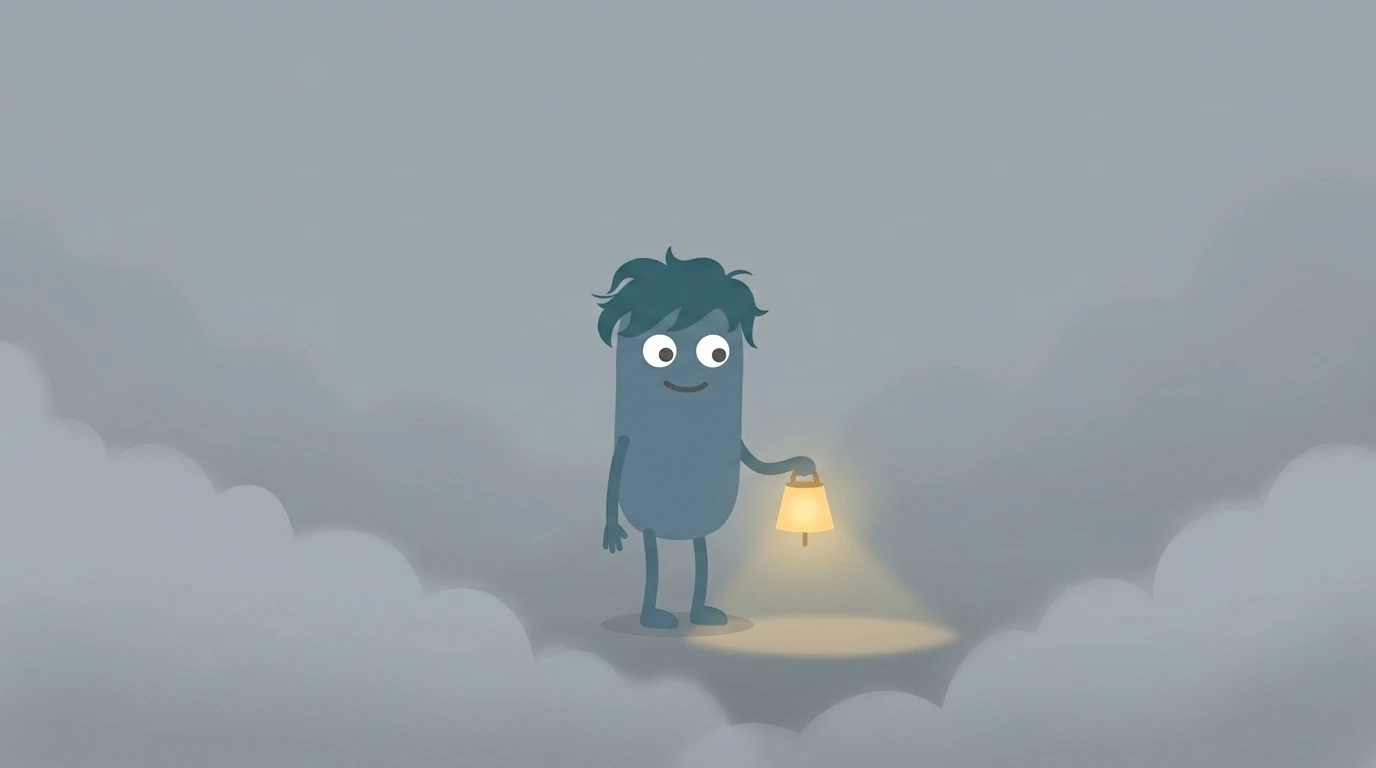
The format is simple: name the situation that usually stops you, then name exactly what you'll do instead. "If I feel too tired to shower, then I will turn the water on and stand under it for one minute." "If I open my laptop and want to close it again, then I will read one sentence of the document before deciding." The plan is written in advance, while you have the clearest head you'll have all day, so the version of you standing in the doorway later doesn't have to negotiate with your mood. It takes about a minute to write and doesn't require you to feel ready, only to have a pen.
How to get motivated to study when depressed
Studying under depression fails for the same reason cleaning does: the task is too large and the reward is too far away. Apply the same subtask-and-reward structure from the Garg trial. Open the textbook and read one paragraph, not the chapter. Set a timer for ten minutes, not two hours. Name the reward before you start, something small and immediate like a coffee or five minutes of a show you like, rather than "getting a good grade," which is too distant to move you today. The goal on a depressed day isn't a productive study session. It's proof that you can start, which makes tomorrow's start easier.
How to get motivated when depressed and anxious
Anxiety adds a second layer: not just "I don't want to," but "what if I fail." The if-then approach still applies, but the situation you name should be the anxious feeling itself, not the task. If the trigger is "I'll panic when I open my email," the plan becomes "If I feel my chest tighten, then I will open just the inbox, not reply to anything, for two minutes." Separating looking from doing lowers the stakes of the first step enough that anxiety doesn't get a vote on whether you start.
How to get motivated to clean when depressed
Depression cleaning stalls because the mental image is always the whole apartment, which is the same distortion the Temporal Decision Model describes: the perceived effort outweighs the perceived payoff, so the brain defers. Break the room into one surface. Clear one counter. Put five items away. Set a timer for five minutes and stop when it rings, even if the task isn't finished, because finishing isn't the goal today. Momentum is. A related walkthrough on cleaning specifically when motivation is at zero can help once this smallest step is working.
Building a routine that doesn't depend on motivation
The pattern across all three bodies of research here is the same: exercise, if-then planning, and task-breakdown all work by removing the requirement to feel ready. None of them ask you to generate motivation from nothing. They all substitute a structure, a plan, a subtask, a walk, that you can follow on a day when your brain refuses to volunteer energy on its own. The version that lasts is a written plan you follow daily, with someone else expecting you to show up. A structured plan that maps one small action to each day, paired with a person checking in on your progress, turns "I should" into "I already scheduled this," which is the only version of motivation that survives a depressed morning.