If you relapsed in the last few hours, the next thing you do matters more than the relapse itself. Not because it erases what happened, but because what you do right now decides whether this becomes one bad hour or the start of a longer slide. Here is what actually helps.
What should I do right after a relapse
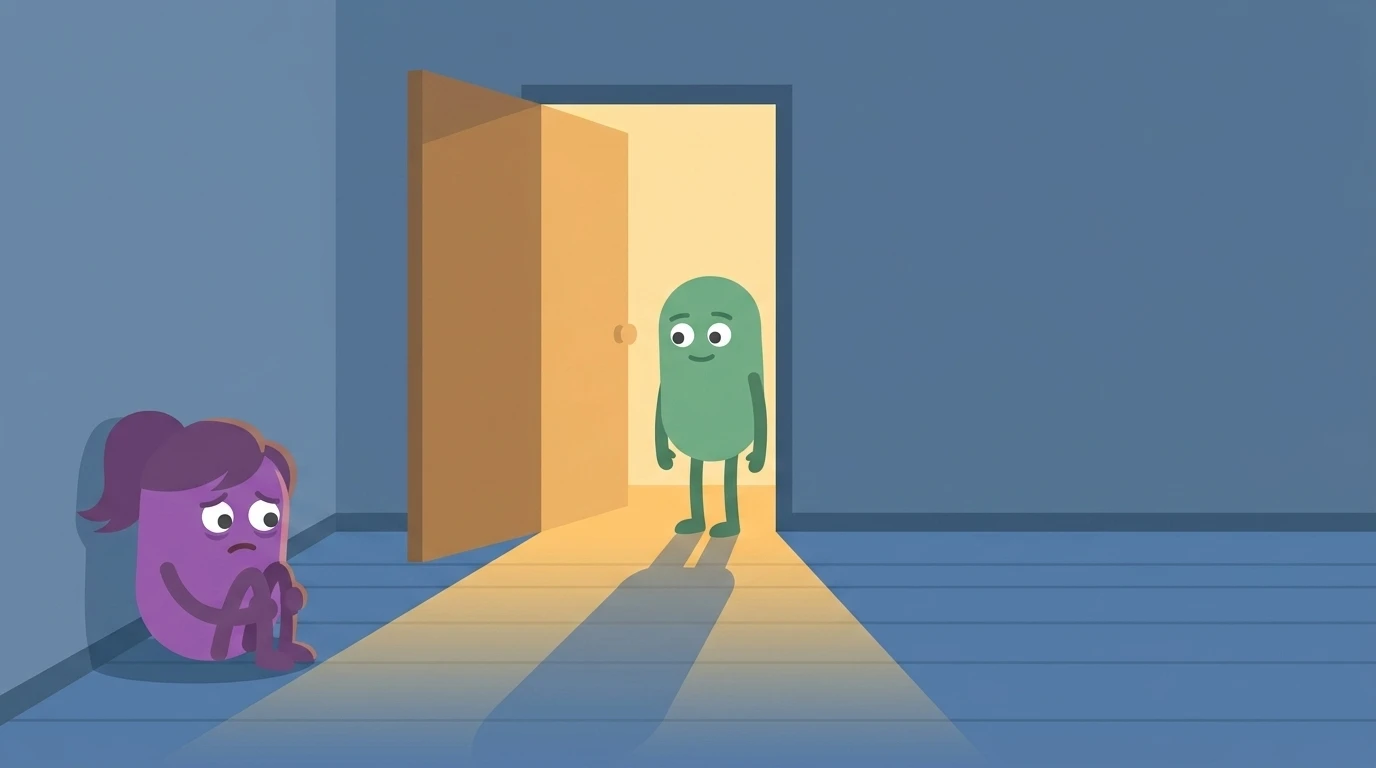
Do one thing: tell a person. Not a journal entry, not a private resolution, an actual person who already knows you're trying. A text is enough. "I slipped, I'm not doing great right now" is a complete message. You don't need to explain it, defend it, or promise anything.
This isn't a moral instruction. It's a practical one. A systematic scoping review of studies on immigrants navigating addiction risk in unfamiliar systems found that social exclusion and integration barriers were consistently tied to higher drug-related risk behavior, while integration and connection acted as protective factors. The reviewers pulled that pattern from five separate qualitative and mixed-methods studies, all pointing the same direction: cut off from a support network, risk goes up. The mechanism that research describes isn't unique to immigrants navigating a new country. Isolation raises risk. Connection lowers it. That's true whether the isolation comes from an unfamiliar system or from hiding a relapse from everyone who already cares about you.
Right now, the version of you that wants to disappear is trying to protect you from judgment. It's not wrong that judgment feels unbearable. It's wrong about what actually reduces the judgment you're feeling, which is contact, not distance.
Why does relapse make me want to disappear
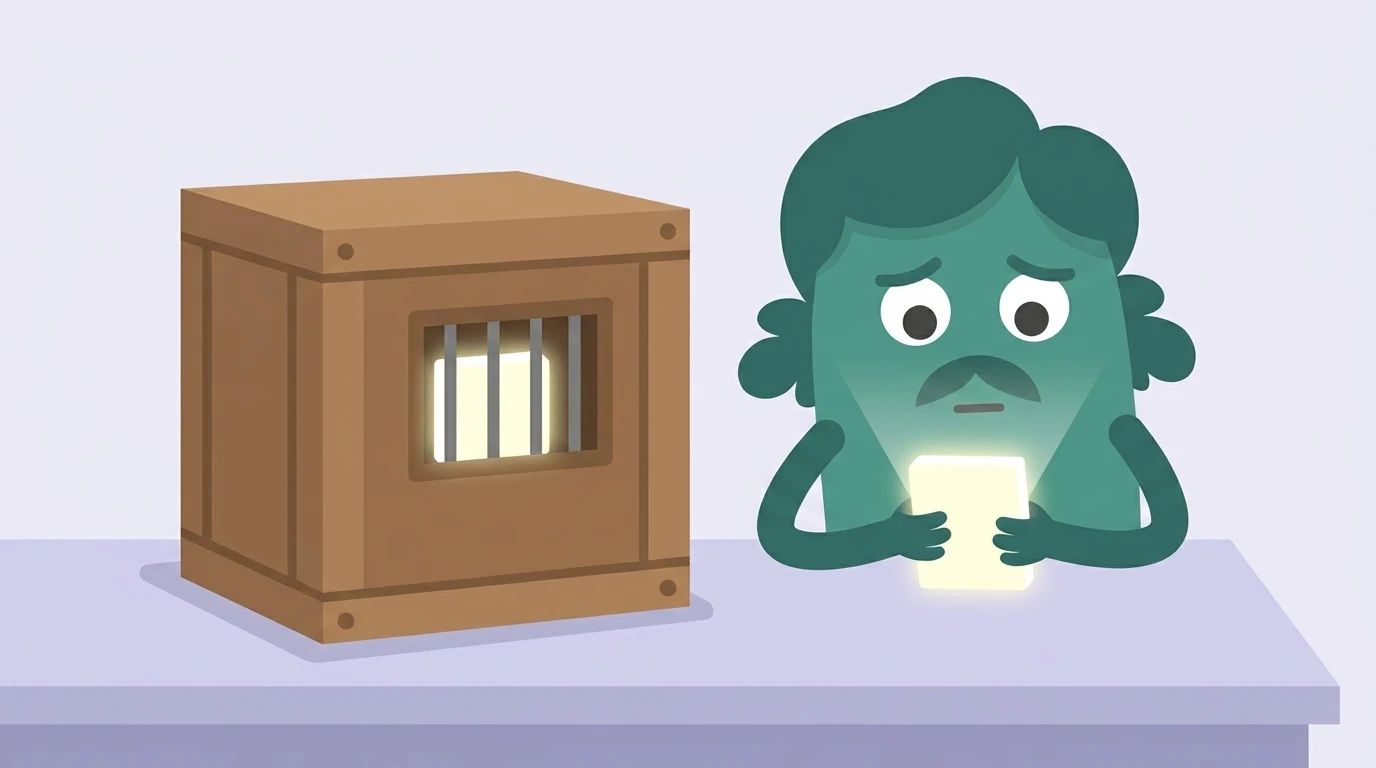
Because shame and isolation feed each other in a loop that has nothing to do with logic. You slip, you feel disgusting, so you pull away from the people who might help, which removes the one thing that would interrupt the shame, which makes the next slip more likely. Nobody designed this loop on purpose. It's just what shame does by default.
A paper on stigma and addiction recovery makes a distinction worth sitting with: shame-prone individuals are more likely to relapse, while guilt-prone individuals show a greater capacity for change. That's not a small difference. Guilt says "I did a bad thing." Shame says "I am a bad thing." Guilt can motivate a phone call. Shame makes you want to vanish. If you're currently in the vanish response, that's not a character flaw. It's a known pattern, and known patterns can be interrupted.
Does one relapse mean I failed at recovery
No, and the research on how people actually stay in recovery explains why. A pilot randomized controlled trial testing narrative therapy with 45 men in a rehabilitation program found that the strongest predictor of relapse risk wasn't willpower or time sober. It was identity, specifically whether someone still saw themselves as "in recovery" or had slipped back into seeing themselves as "the addict." The men who went through structured identity-focused therapy showed significantly lower relapse-risk scores than those who got standard psychoeducation alone, and the gains held at two-month follow-up.
That finding points at something practical. "I am someone who is recovering" is a sentence that survives a bad night. "I have not slipped once" is a sentence that shatters the first time reality doesn't cooperate. If your sense of being in recovery depended on a perfect streak, tonight broke it. If your sense of being in recovery depends on the fact that you're still someone who's trying, tonight didn't touch it.