ADHD Emotional Dysregulation vs. Mood Disorders
This distinction matters because misdiagnosis is common, and the wrong diagnosis leads to the wrong treatment.
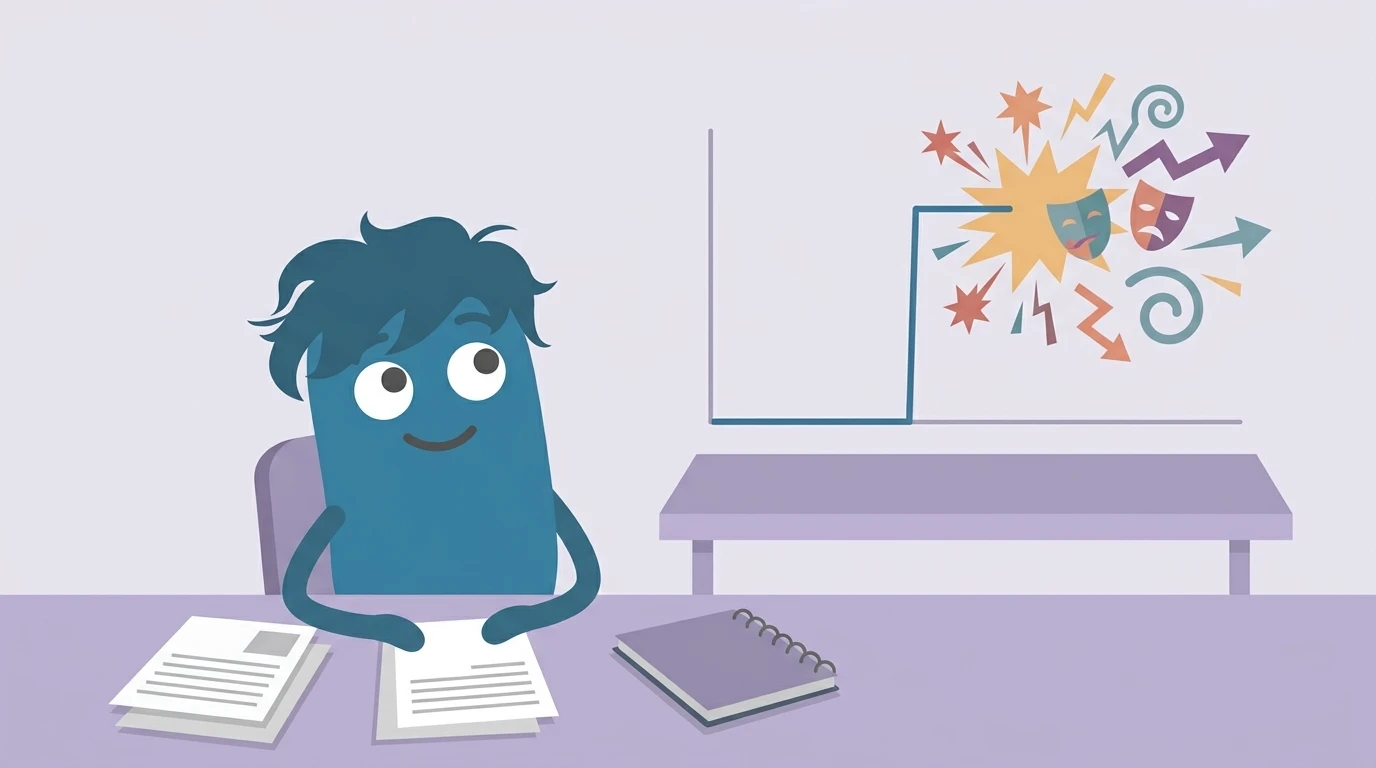
ADHD emotional dysregulation is:
• Triggered by specific, identifiable events
• Intense but relatively brief (minutes to hours)
• Followed by a return to baseline that feels complete
• Present across childhood and adulthood, not cyclically
Bipolar disorder involves:
• Mood episodes that last days to weeks
• Shifts that occur somewhat independently of external triggers
• Hypomanic or manic periods with reduced need for sleep, grandiosity, or impulsive behavior
• Depressive episodes with vegetative features
Borderline personality disorder involves:
• Chronic emotional instability rather than episodic flares
• Intense fear of abandonment and unstable self-image
• Relationship cycling (idealization and devaluation)
• Emotional dysregulation that's more pervasive across all contexts
The overlap is real — ADHD, bipolar, and BPD can co-occur — but they have different neurological bases and respond to different treatments. An ADHD-informed clinician who mistakes the emotional dysregulation for BPD may prescribe mood stabilizers that don't address the core dopamine and norepinephrine differences driving the ADHD symptoms.
What Actually Helps: Evidence-Based Strategies
Medication
Stimulant medications (amphetamines, methylphenidate) improve prefrontal cortex function overall, which strengthens the brain's emotional braking system. Many adults with ADHD report that emotional regulation is one of the most noticeable improvements on stimulants — sometimes more noticeable than attention improvements.
Alpha-2 agonists(guanfacine, clonidine) directly target norepinephrine regulation and show specific effectiveness for emotional reactivity.
DBT-Based Skills — The TIPP Technique
Dialectical Behavior Therapy (DBT), developed by Dr. Marsha Linehan, includes an emotional regulation module with skills that map directly onto ADHD dysregulation patterns. The TIPP technique is the most useful for in-the-moment interruption:
• T — Temperature: Cold water on the face, or holding ice cubes, activates the dive reflex and drops heart rate within seconds. This is a physiological interrupt that works regardless of whether you can "think your way" through the emotion.
• I — Intense Exercise: 20 minutes of vigorous movement redirects the nervous system's activation toward the body rather than the emotional spiral.
• P — Paced Breathing: Extending the exhale longer than the inhale (e.g., breathe in 4 counts, out 7) activates the parasympathetic nervous system.
• P — Progressive Muscle Relaxation: Systematically tensing and releasing muscle groups breaks the physical tension that accompanies emotional flooding.
TIPP works because it doesn't require rational thought during an irrational moment. The physiology changes first; the cognitive clarity follows.
Identifying Your Personal Trigger Patterns
Most ADHD emotional episodes feel like they come out of nowhere. They don't. Post-episode analysis consistently reveals patterns: specific times of day (late afternoon energy crashes are a common trigger window), specific relationship dynamics, specific types of transitions, or specific contexts (perfectionist pressure, sensory overload, hunger, poor sleep).
The challenge is that the ADHD brain isn't naturally inclined toward the reflective journaling that reveals these patterns. Structured mood tracking — a brief daily rating that takes under two minutes — is more realistic than narrative journaling. Apps like Bearable, Daylio, or even a simple spreadsheet can surface patterns within two to four weeks that aren't visible episode by episode.
Once you know your high-risk contexts, you can plan proactively: schedule difficult conversations outside your low-energy window, set transition buffers between emotionally demanding activities, and give people in your life advance notice when you're entering a known trigger period.
Key Stat: CBT adapted for adult ADHD (Safren et al., 2010, JAMA) significantly reduces emotional reactivity alongside attention symptoms — demonstrating that the emotional component is modifiable through structured skill-building, not just medication.
How Accountability Changes the Equation
One pattern that research on emotion regulation consistently surfaces: isolation makes dysregulation worse, and connection makes it better.
This isn't just emotional support. Structured accountability — knowing that someone will check in on you — changes how the brain anticipates and manages emotional load. When you know you'll have to report on how you handled a difficult situation, the prefrontal cortex is slightly more engaged during the situation itself.
Apps like Inflow and video platforms like Focusmate have built ADHD-specific communities around this insight, helping users work alongside others and share experiences. These tools address the isolation piece, which is real and important.
GetMotivated.ai takes this further by combining structured accountability with a matching system that pairs you with a buddy who shares your specific challenge — including emotional regulation. For people with ADHD, having a consistent partner who checks in during your known high-risk windows (that late-afternoon crash, the Monday morning overwhelm) is qualitatively different from a forum post or an AI chat. It's someone who expects to hear from you.
The platform's AI coaching also provides a judgment-free space to work through emotional regulation triggers without the social risk of disclosing ADHD to a coworker or partner who may not understand the neurology. For many people, naming the pattern out loud to any structured listener — human or AI — is the first step toward managing it.
If emotional dysregulation is costing you relationships or career opportunities, structured support that you can access when an episode is approaching (not after it's over) is worth exploring.
Practical Adjustments for Daily Life
Beyond therapy and medication, several environmental changes reduce the frequency and intensity of dysregulation episodes:
Build transition buffers. Don't schedule difficult tasks back-to-back. A 10-minute buffer between high-demand activities gives the nervous system time to reset.
Communicate the neurology, not the behavior. Telling a partner "I have ADHD emotional dysregulation — my reactions can be disproportionate, and I return to baseline quickly" is more useful than apologizing for specific incidents. It reframes the pattern rather than each episode.
Use the 20-minute rule. Most ADHD emotional episodes peak and begin declining within 20 minutes. When triggered, commit to not making any decisions, sending any messages, or having any important conversations until that window has passed.
Reduce the shame spiral. The secondary shame episode is often more damaging than the original dysregulation. Practicing self-compassion explicitly — not as a platitude but as a cognitive skill — interrupts the shame cascade. The research on self-compassion by Dr. Kristin Neff consistently shows it improves emotional resilience rather than enabling avoidance.
Protect sleep and blood sugar. These are not lifestyle tips — they are neurological realities. Both sleep deprivation and low blood sugar directly impair prefrontal cortex function, which is already compromised in ADHD. Managing these basics isn't optional if emotional regulation is a goal.
Emotional dysregulation is one of the most undertreated aspects of ADHD — partly because it's only recently been recognized as neurological rather than behavioral, and partly because it's harder to describe in a clinical checklist than inattention or hyperactivity. But for many adults, it is the most disabling part of the condition. The right combination of medication, skill-building, tracking, and structured support can meaningfully reduce its impact — not by making you feel less, but by giving you more time between the trigger and the flood.