September 24, 20268 min readHabits & Behavioral Change

How to Stay Motivated (When Advice Alone Isn't Working)

Rachel Stein

Last reviewed: September 2026

How to Stay Motivated (When Advice Alone Isn't Working)

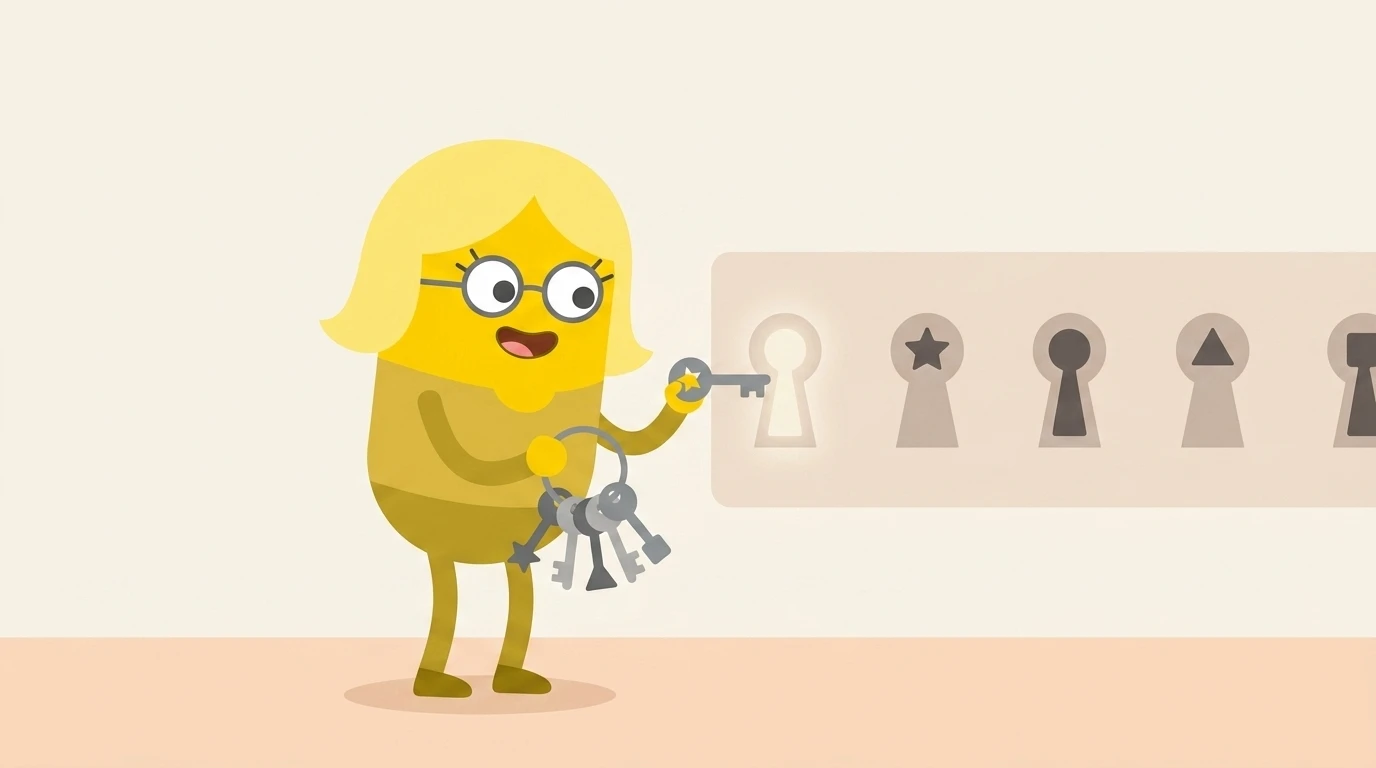
Staying motivated is not a willpower problem. It is a planning problem. Most advice on this topic gives you a list: get more sleep, find your why, break it into small steps. You already know most of that list. Knowing what to do and doing it are two different skills, and the second one is where almost everyone gets stuck.

Why knowing what to do isn't the same as doing it

Search "how to stay motivated" and you get the same ten tips repeated across a hundred pages. Wake up earlier. Visualize your goal. Reward yourself. None of it is wrong, exactly. It is just aimed at the wrong problem, the same gap this site's motivation troubleshooting guide walks through by situation. Researchers call the space between forming a goal and acting on it the intention-action gap, and it is where most motivation efforts die. You can want something intensely, understand exactly what it requires, and still not do it when the moment arrives. That is not a character flaw. It is a predictable feature of how intentions work, and it has a specific, tested fix.

Psychologist Peter Gollwitzer's research on implementation intentions found that pre-deciding a specific cue-and-response plan closes the intention-action gap far more reliably than motivation, willpower, or more information about the goal. The format is simple: "When situation X happens, I will do Y." Not "I'll exercise more." Instead: "When I finish breakfast, I will put on my shoes and walk for ten minutes."

In one of the studies Gollwitzer reviewed, women who intended to perform a monthly health check were split into two groups. One group stated only their goal. The other added a specific implementation intention naming when and where they would act. Every woman in the second group followed through. In the goal-only group, just over half did. The plan did the work the motivation alone could not.

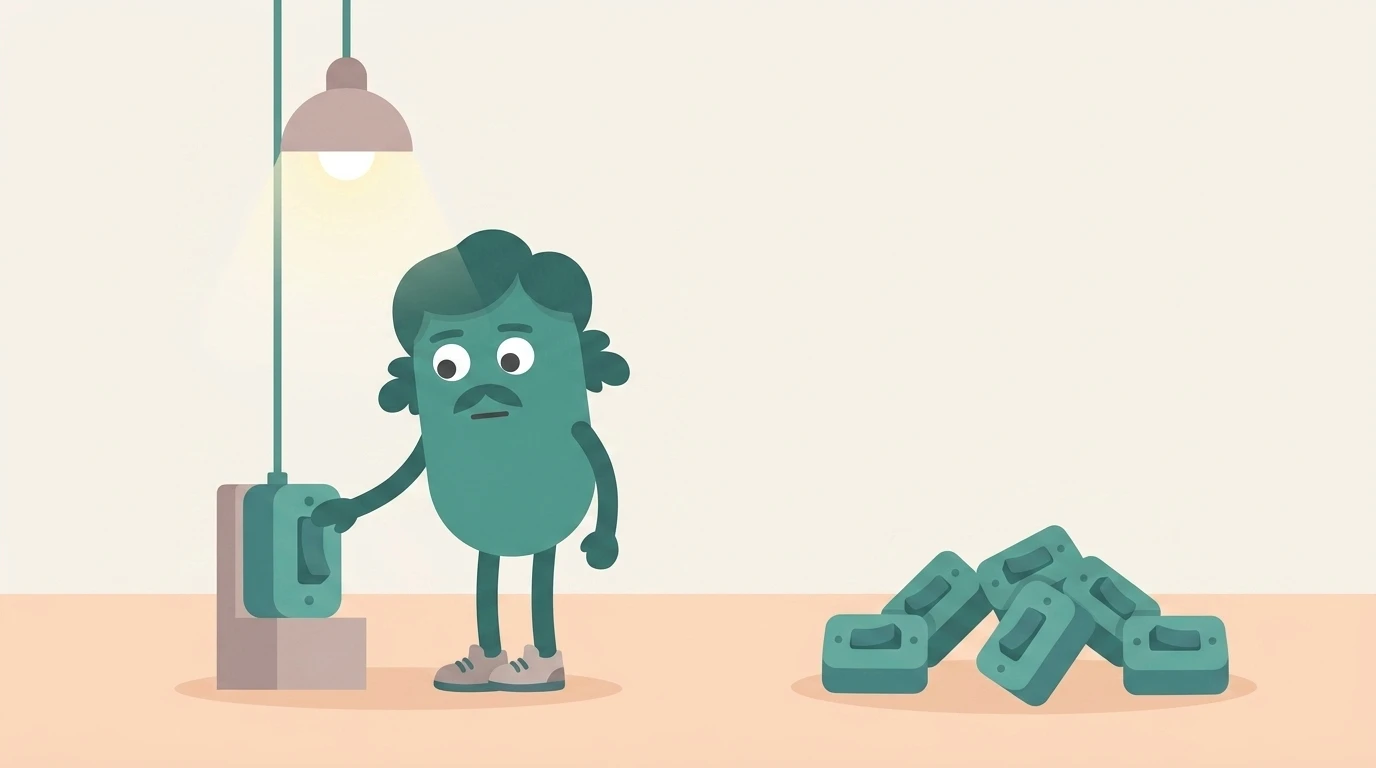
The reason is structural, not motivational. A vague goal leaves the decision of when to act sitting in your head, competing with everything else demanding attention in that moment. A specific plan hands that decision to a cue you will actually encounter, so the response fires without a fresh act of willpower each time.

How to stay motivated and consistent day to day

Consistency is not a personality trait you either have or don't. Psychologist Phillippa Lally and colleagues tracked 96 people who each picked one daily behavior and repeated it in the same context for 12 weeks. Automaticity, the sense that a behavior no longer requires deliberate effort, rose steadily with repetition, but the time it took varied enormously: participants reached their personal plateau anywhere between 18 and 254 days. There is no fixed number of days after which anything becomes automatic. What mattered was the consistency of the context, not the discipline of the person.

That finding also removes a common source of guilt. Missing a single day did not meaningfully disrupt the automaticity curve in Lally's data. The behavior kept building as long as the person returned to the same cue afterward. A slip is not proof the plan failed. It is a normal point on the curve.


Related Challenges & Plans

How to stay motivated at work

Workplace motivation tends to collapse on open-ended tasks, the ones with no natural stopping point and no immediate deadline. The fix is the same mechanism, scaled down: attach the task to a specific trigger already built into your day. "When I sit down after my first meeting, I will spend 25 minutes on the report before checking email." The cue does the reminding so you are not relying on remembering to feel motivated.

How to stay motivated when you're tired or your energy is low

Fatigue makes vague intentions collapse first, because a tired brain has less spare capacity to make the "should I start now" decision in the moment. A pre-decided plan removes that decision entirely. On low-energy days, shrink the response tied to the cue rather than dropping it: "When I get home, I will change into workout clothes," with no requirement to complete a full session. Psychologist Gabriele Oettingen's research on mental contrasting found that pairing a wish with a realistic look at what stands in the way, then planning around that obstacle, produces more energy for action than picturing success alone.

How to stay motivated for weight loss

Oettingen ran an early study of 25 obese women in a weight-loss program, asking each to describe how she imagined the coming months. A year later, the women who had fantasized about slimming down easily, picturing themselves gliding past temptation without effort, lost an average of 24 pounds less than the women whose imagined scenarios included realistic obstacles. Positive fantasy felt good in the moment and cost results later. Naming the obstacle in advance, then attaching a specific plan to it, is what carried the second group further.

How to stay motivated for school or studying

Study motivation usually fails at the transition into starting, not partway through a task. Implementation intentions work the same way here: name the exact cue ("When I open my laptop at 4pm") and the exact first response ("I will open the reading for tomorrow's class, nothing else"). The plan only has to get you into the chair. Momentum from there is a separate, easier problem.

How to stay motivated every day without relying on discipline

"Discipline" is often just a label people apply after the fact to a plan that worked, as this site's breakdown of why discipline isn't actually a separate trait covers in more depth. Reframing daily motivation as a cue-response pair you set up in advance, rather than a reserve of willpower you draw down, removes the need to feel motivated before acting. You are not summoning a feeling. You are running a plan you already made when you were thinking clearly.

How to stay motivated when you keep starting over

Restarting repeatedly usually means the original plan named a goal but never named a cue. "I'll get back into it Monday" is a goal intention. It has no trigger attached, so it depends on remembering and feeling ready at the same time, which is a fragile combination, the same pattern covered in why motivation doesn't last past the first burst of excitement. Writing the specific cue down, once, is what turns a fourth restart into the one that holds.

Write your plan in the next five minutes

Pick one goal you have been circling and write a single sentence in this exact form: "When [specific situation], I will [specific action]." Not "when I have time," but a moment you will actually encounter today or tomorrow: when your alarm goes off, when you close your laptop, when you sit down for dinner. Write it down somewhere you will see it again. That sentence is the entire mechanism Gollwitzer's research points to, and it takes less time to write than this paragraph took to read.

A written plan gets you started once. What keeps a plan running past the first week is structure the tip lists never mention: a fixed time you return to, a fixed place you do the work, and someone who expects you to show up. Accountability changes the cost of skipping a day from private to social, which is a different kind of motivation than willpower entirely. None of that comes from reading another list. It comes from attaching your plan to a structured schedule, with someone checking in on whether you followed it, so the plan has support behind it instead of running on memory alone.

Next time you search, our newest guide shows up.

Sources

Topics

AI-ready summary

Explains why motivation tip lists fail to change behavior, then grounds a working alternative in Gollwitzer's implementation-intention research, Lally's automaticity studies, and Oettingen's mental-contrasting work, closing on a two-part method for building a plan that holds.

Key takeaways

  • Implementation intentions (a specific "when X, I will do Y" plan) close the intention-action gap far more reliably than motivation or willpower alone
  • In Gollwitzer's health-check study, everyone with a specific plan followed through, versus about half of the goal-only group
  • Automaticity builds unevenly — Lally's research found it took between 18 and 254 days depending on the person and behavior
  • Mentally contrasting a goal against realistic obstacles (Oettingen's method) produces better outcomes than picturing an easy, obstacle-free path
  • A written plan starts the behavior; a fixed time, fixed place, and someone expecting you to show up is what keeps it running

FAQs

How long does it take to stay motivated without thinking about it?

There is no fixed number. Lally's research on 96 participants found the time to reach near-maximum automaticity ranged from 18 to 254 days depending on the person and the behavior, so comparing your timeline to anyone else's is not useful. What predicted a good outcome was consistency of context, not speed.

How can I stay motivated to exercise regularly?

Attach the behavior to a specific daily cue rather than a general intention to \"exercise more.\" Gollwitzer's research shows a plan in the form \"when X happens, I will do Y\" produces far higher follow-through than a goal alone, and Lally's data shows that repeating the behavior in that same context is what builds automaticity over time.

How can I stay motivated to lose weight?

Picture the realistic obstacles alongside the goal instead of only the outcome. Oettingen's weight-loss study found that women who imagined an easy, obstacle-free path actually lost less weight over a year than those who mentally contrasted their goal against what would get in the way, then planned around it.

How do I stay motivated and disciplined when nothing feels urgent?

Urgency is not required if the action is tied to a cue you will encounter regardless of how you feel. That is the entire function of an implementation intention: it removes the need for in-the-moment discipline by pre-deciding the response.

Why do I lose motivation a few days after starting something new?

Early motivation is often based on excitement about the goal, which fades before automaticity has had time to build. Lally's modeling found automaticity increases gradually and unevenly, so the days when motivation dips are expected, not evidence the plan is failing.

How to stay motivated during long-term goals like competitive exams or college?

Break the long-term goal into daily cue-response plans rather than relying on the size of the goal to carry you. A distant deadline does not create a trigger you will feel in the moment; a specific daily cue does. With a fixed time, a fixed place, and someone expecting you, that same daily plan holds long after the initial excitement about the goal fades, which is what turns knowing into doing, day after day.

Related Challenges & Plans

Keep reading