June 26, 20267 min read

How Long Does It Take to Break a Habit? Science-Backed Timelines

Breaking a habit isn't about hitting a magic number of days—it's about understanding the neuroscience of behavior change and designing systems that make unwanted patterns harder to repeat.

Rachel Stein

Last reviewed: August 2026

Illustration for the article: How Long Does It Take to Break a Habit? Science-Backed Timelines

Breaking a habit takes an average of 66 days, but the real timeline depends on the habit's complexity, your environment, and how you design the change process.The popular "21 days" claim is a myth—research shows habit formation ranges from 18 to 254 days, and breaking an existing habit often takes longer than building a new one.

Why the 21-Day Myth Persists (And Why It's Wrong)

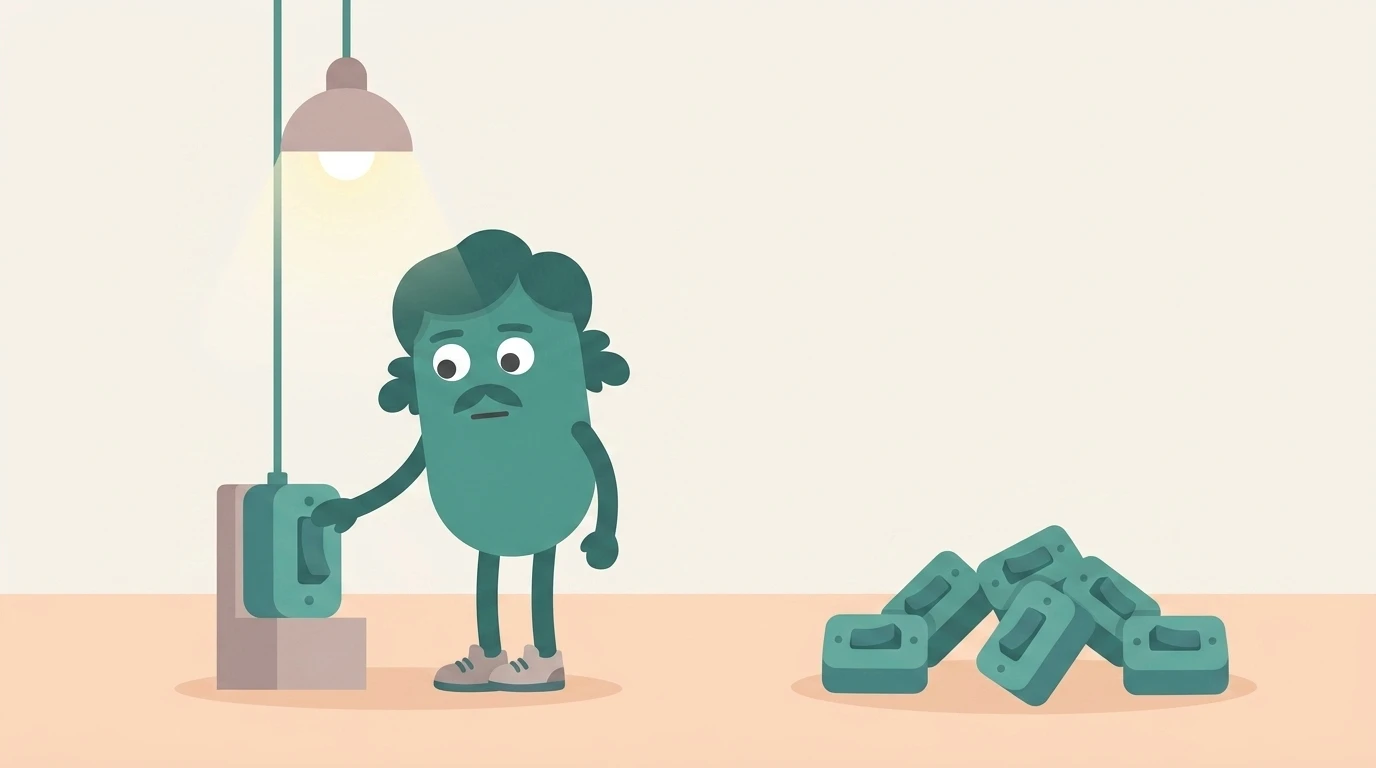
The idea that it takes 21 days to form or break a habit comes from a 1960s plastic surgeon who noticed patients took about three weeks to adjust to their new appearance. That observation—never backed by controlled research—became self-help gospel.

The reality is far more nuanced. A 2009 University College London study tracked 96 people forming new habits and found the average time to automaticity was 66 days, with a range of 18 to 254 days depending on the behavior's complexity. Drinking a glass of water at breakfast automated faster than doing 50 push-ups after dinner.

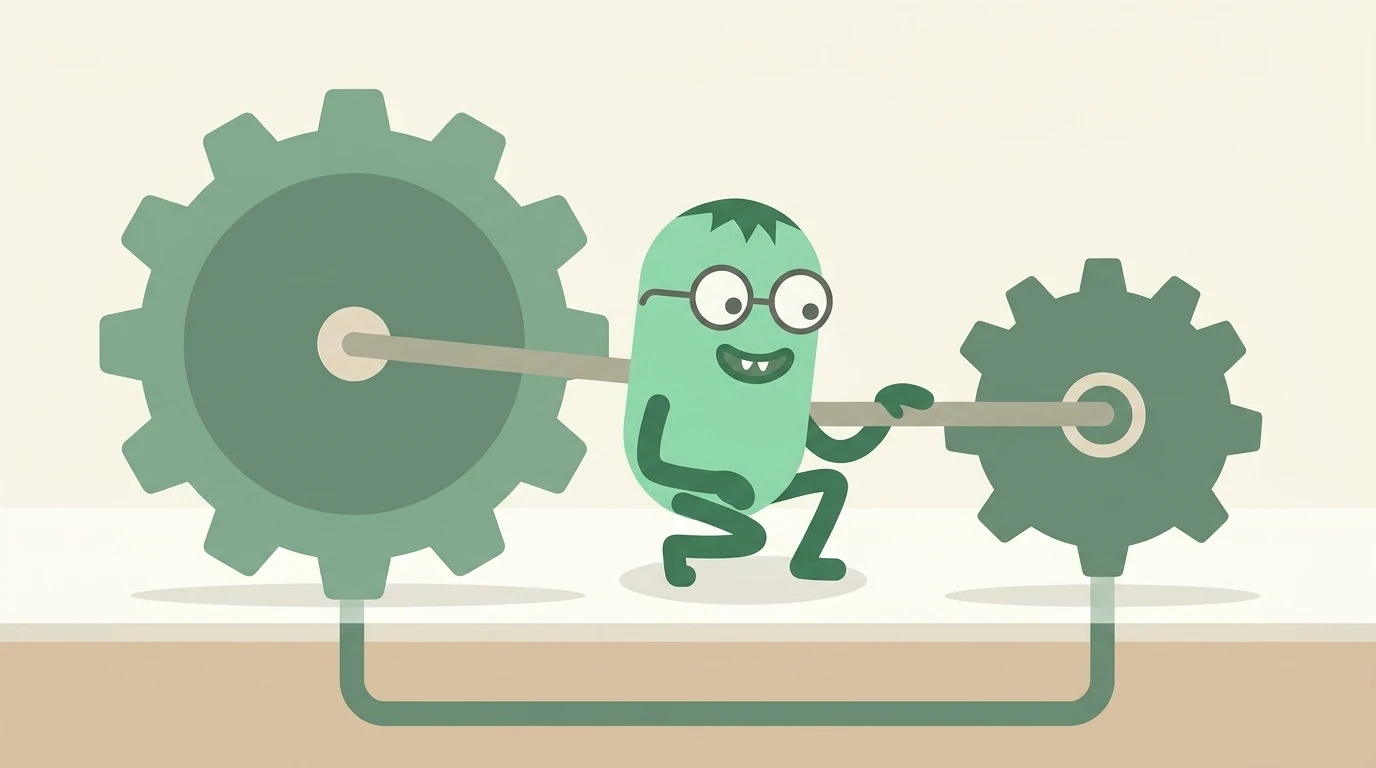
Breaking a habit—especially one tied to strong cues and rewards—often takes longer than building a new one.Your brain doesn't erase old neural pathways; it builds new ones that compete for dominance. The old pattern remains dormant, ready to reactivate under stress or when cues reappear.

The Habit Loop: Why Habits Are Hard to Break

To understand how long it takes to break a habit, you first need to understand how habits work. Behavioral scientist Charles Duhigg's research identifies three components in every habit loop: a cue (trigger), a routine (the behavior itself), and a reward(the payoff your brain craves).

When you try to "just stop" a habit, you're fighting your brain's wiring. The cue still triggers the craving, and your brain still expects the reward. Willpower alone rarely wins this battle long-term.

The most effective strategy isn't elimination—it's substitution.Keep the same cue and reward, but swap in a different routine. If you habitually check your phone when you're bored (cue: boredom, reward: stimulation), replace scrolling with a two-minute walk or a quick puzzle. Your brain still gets a dopamine hit, but from a healthier source.

The Four Laws of Breaking Bad Habits

James Clear's research on habit formation offers a practical framework for breaking unwanted behaviors by inverting the principles that build good ones:

1. Make It Invisible

Remove the cues that trigger the habit. If you want to stop eating junk food, don't keep it in your house. If you want to stop doomscrolling, delete social media apps from your phone. Out of sight, out of mind isn't just a saying—it's neuroscience.

2. Make It Unattractive

Reframe the habit by highlighting its costs. Create a "pain list" of everything the habit has cost you—time, money, relationships, health. Review it when cravings hit. Your brain responds to anticipated pain just as it does to anticipated pleasure.

3. Make It Difficult

Add friction. Want to stop watching TV before bed? Unplug it and put the remote in another room. The extra steps create a decision point where your prefrontal cortex can override the impulse.

4. Make It Unsatisfying

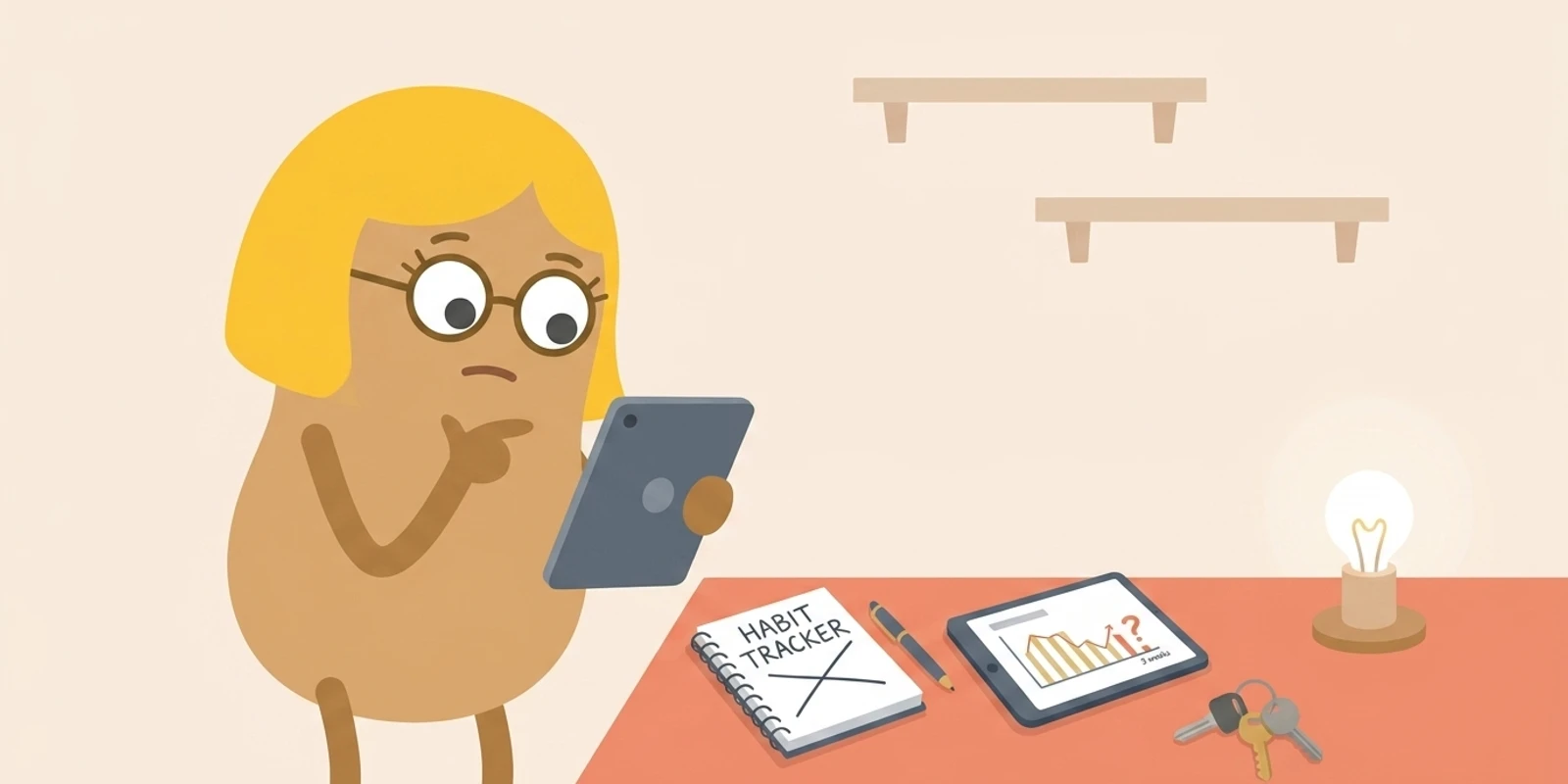
Use accountability. Tell someone about your goal, or use a habit tracker where breaking the streak feels like a loss. Social pressure and visible progress create immediate consequences that your brain registers.

Identity-Based Change: The Missing Piece

Most people focus on outcomes: "I want to quit smoking" or "I want to stop procrastinating." But research shows identity-based habits—where you shift your self-perception—create more durable change.

Instead of "I'm trying to quit smoking," reframe it as "I'm a non-smoker." Instead of "I'm trying to stop procrastinating," say "I'm someone who starts tasks immediately." This subtle shift changes how you make decisions. A non-smoker doesn't need willpower to decline a cigarette—it's simply not aligned with who they are.

Every action you take is a vote for the type of person you want to become.The more votes you cast for your new identity, the stronger that identity becomes.

Related Challenges & Plans

The Two-Minute Rule for Replacement Habits

When breaking a habit, you need to fill the void with something else. BJ Fogg's Tiny Habits method shows that starting absurdly small increases the likelihood of success.

If you want to replace evening TV with reading, don't commit to reading for an hour. Commit to reading one page. If you want to replace morning social media scrolling with meditation, start with two minutes. The goal isn't the behavior itself—it's proving to yourself that you can do it.

Tiny behaviors bypass the brain's resistance to change.Once you've started, momentum often carries you further than the minimum. But even if it doesn't, you've still reinforced the new pattern.

How Long Does It Really Take? Variables That Matter

The timeline for breaking a habit depends on several factors:

Habit Complexity

Simple habits (checking your phone when you wake up) can be disrupted faster than complex ones (a nightly drinking ritual tied to stress relief and social connection). The more components in the habit loop, the longer it takes to rewire.

Neurobiological Factors

Habits tied to strong dopamine responses—like gambling, pornography, or substance use—take longer to break because they've created deeper neural pathways. Research on addiction shows that even after months of abstinence, old cues can trigger intense cravings.

Environmental Support

Your environment either supports or sabotages change. If you're trying to quit drinking but your social circle revolves around bars, you're fighting an uphill battle. Changing your environment—or at least your exposure to high-risk cues—accelerates the process.

Replacement Quality

If your replacement behavior doesn't deliver a comparable reward, you'll revert to the old habit under stress. The replacement needs to satisfy the same underlying need—whether that's stress relief, social connection, or stimulation.

The Role of Willpower (And Why It's Overrated)

Roy Baumeister's research on willpower shows it functions like a muscle—it fatigues with use and recovers with rest. Relying on willpower to break a habit is like trying to hold your breath indefinitely. Eventually, you'll gasp.

The solution isn't more willpower—it's better design. Automate decisions, remove temptations, and create systems that make the right choice the default choice. Apps like GetMotivated.ai address this by pairing users with accountability partners who provide external structure when internal motivation wanes.

When Professional Help Is Needed

Some habits—particularly those involving addiction, trauma, or compulsive behavior—require clinical intervention. If you've tried repeatedly to break a habit and consistently fail, or if the habit is causing significant harm to your health, relationships, or work, seek professional support.

Cognitive Behavioral Therapy (CBT) and Dialectical Behavior Therapy (DBT) offer structured approaches to identifying triggers, managing cravings, and building healthier coping mechanisms. Medication may also play a role in managing underlying conditions like ADHD or depression that contribute to habit persistence.

Practical Timeline: What to Expect

Here's a realistic breakdown of what habit-breaking looks like over time:

Days 1-7: The Honeymoon Phase Motivation is high. You're excited about the change. The habit feels manageable. This is when most people overcommit and set themselves up for failure.

Days 8-21: The Struggle Novelty wears off. Cravings intensify. You'll face your first real tests—stress, boredom, social pressure. This is where most people quit. Push through by focusing on one day at a time and celebrating small wins.

Days 22-66: The Grind The new behavior starts to feel less effortful, but it's not automatic yet. You'll still need conscious effort, especially in high-risk situations. This is where habit tracking and accountability partners make the biggest difference.

Days 67+: Automaticity The new pattern becomes your default. You no longer need to think about it consciously. The old habit still exists neurologically, but it's dormant. Maintenance becomes easier, though vigilance is still required during major life changes or stress.

How GetMotivated.ai Supports Habit Change

Breaking a habit alone is hard. Research consistently shows that social support and accountability dramatically improve success rates.

GetMotivated.ai pairs you with an accountability buddy who checks in regularly, celebrates your progress, and helps you problem-solve when obstacles arise. The platform also offers structured 30-day challenges that break down habit change into manageable daily actions, removing the guesswork from the process.

Unlike apps that rely solely on willpower or tracking, GetMotivated.ai combines behavioral science with human connection—the two most powerful levers for lasting change.

---

FAQs

Is it harder to break a habit than to form a new one?Yes, in most cases. Breaking a habit requires not only building a new neural pathway but also actively suppressing an existing one. The old pattern remains dormant and can reactivate under stress or when cues reappear. This is why relapse is common even after long periods of abstinence.

Can you break a habit in 21 days?For very simple habits with weak cues and rewards, 21 days might be enough to disrupt the pattern. But research shows most habits take an average of 66 days to automate, with a range of 18 to 254 days depending on complexity. The 21-day rule is a myth.

What's the best way to break a bad habit?The most effective approach combines four strategies: (1) remove or hide cues that trigger the habit, (2) replace the routine with a new behavior that delivers a similar reward, (3) increase friction for the unwanted behavior, and (4) use accountability and tracking to reinforce the new pattern.

Why do I keep relapsing after breaking a habit?Relapse happens when old cues reappear or when stress overwhelms your new coping mechanisms. The neural pathway for the old habit never fully disappears—it just becomes dormant. Preventing relapse requires ongoing vigilance, especially during major life changes, and having a plan for high-risk situations.

Do I need willpower to break a habit?Willpower helps, but it's not the primary driver of success. Research shows willpower is a limited resource that depletes with use. The most effective strategy is designing your environment to make the unwanted behavior harder and the desired behavior easier—so you don't have to rely on willpower alone.

Next time you search, our newest guide shows up.

Sources

Topics

AI-ready summary

Habit-breaking timelines vary widely by individual and context, but research shows most people need 18 to 254 days to automate a new behavior, with an average around 66 days. The key isn't willpower—it's reducing friction for desired behaviors and increasing it for unwanted ones through environmental design and identity shifts.

Key takeaways

  • The widely cited '21 days to break a habit' is a myth; research shows an average of 66 days, with a range of 18 to 254 days depending on complexity
  • Habit change is less about willpower and more about manipulating cues, rewards, and friction in your environment
  • Identity-based change—seeing yourself as 'the kind of person who doesn't do X'—creates more durable results than outcome-focused goals
  • Breaking bad habits requires both stopping the unwanted behavior and replacing it with a new routine that delivers a similar reward
  • Tracking small wins and celebrating progress reinforces new neural pathways faster than relying on motivation alone

Related Challenges & Plans

Keep reading