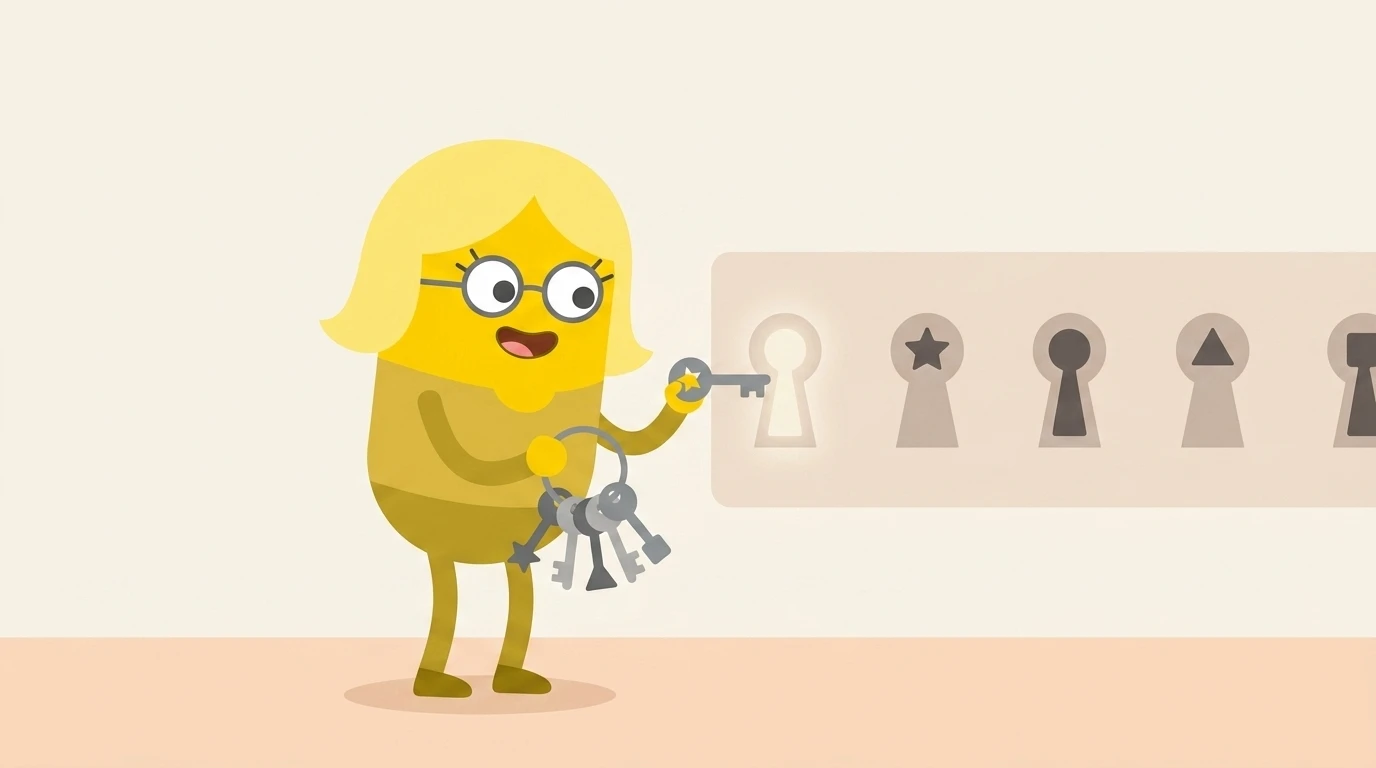
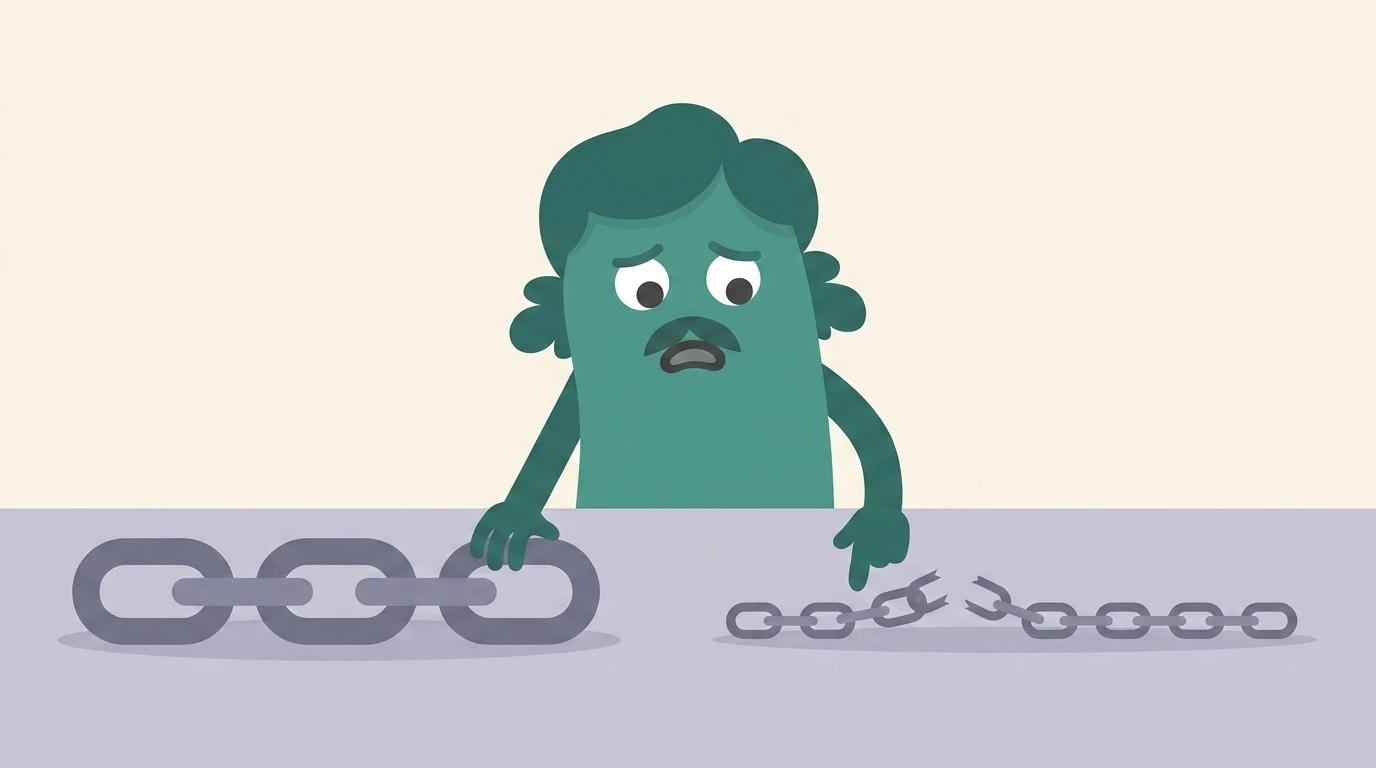
A routine built for your best day will not survive a bad one, and for ADHD, the bad day is the normal day. The fix is not more discipline. It is designing the routine around your lowest-capacity version from the start: fewer steps, external cues instead of memory, and other people built into the structure.
Why do ADHD routines keep falling apart?
Most routines fail for a boring reason: they were never tested against a bad day, because they were built on a good one. A 2026 scoping review in Behavioral Sciences looked at the existing research on routines and habits in people with ADHD and found something that reframes the whole problem. Routines and habits both depend on executive functions, so when attention, working memory, planning, or behavioral regulation are disrupted, the routine itself becomes inconsistent. That is not a motivation failure. It is the exact mechanism ADHD affects.
The review's authors, Almudayfir and colleagues, use a bedtime routine as an example: stop screens, prepare for tomorrow, brush teeth, go to bed at a consistent time. Any one of those steps can get derailed by a lapse in planning or attention, and once one step slips, the automatic quality of the whole sequence breaks with it. A routine with five sequential steps has five separate points where an ADHD brain can lose the thread. A routine with two has two.
Which parts of daily life does ADHD actually disrupt?
The scoping review mapped the existing literature and found four domains showed up again and again as the most affected: sleep hygiene, feeding, physical activity, and sedentary behavior. Sleep hygiene alone was addressed in more than half of the studies included. That is worth sitting with if you have been trying to fix your whole day at once. The research keeps landing on the same handful of domains, not because they are the only things that matter, but because they are where the breakdown is most visible and most measured.
The review also found something else worth knowing before you build anything: out of 31 included studies, only six involved an actual intervention, and no validated tool exists specifically to measure routines or habits in people with ADHD. Most of what is known comes from children, with adults left thin on evidence. If a system you tried came from a general productivity book, it was very likely never tested on an ADHD brain at all, let alone an adult one.