GetMotivated.ai Logo
How It WorksBlogLog in
  1. Home
  2. /
  3. Blog
  4. /
  5. Dry January Science: How 31 Days Without Alcohol Rewires Your Brain
June 18, 20269 min read

Dry January Science: How 31 Days Without Alcohol Rewires Your Brain

One month without alcohol sounds simple, but the biological changes that follow are anything but small. From dopamine recalibration to improved sleep architecture, Dry January reshapes the brain in measurable ways. Here is what the science actually shows.

GetMotivated.ai Team

Last reviewed: August 2026

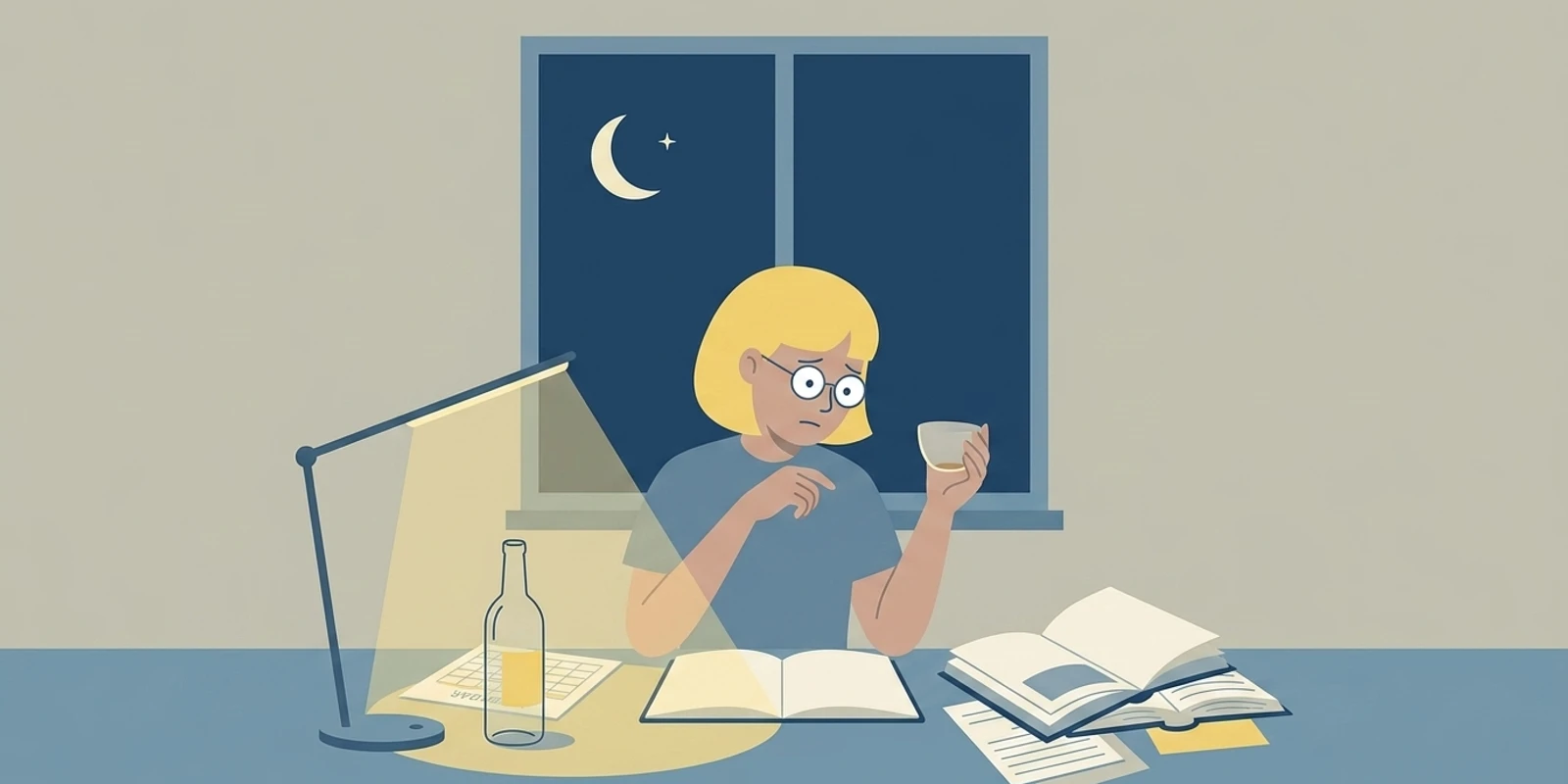
Illustration for the article: Dry January Science: How 31 Days Without Alcohol Rewires Your Brain

More than 15 percent of American adults tried some version of Dry January last year, yet most of them could not explain what was actually happening inside their bodies during those 31 days. The challenge is usually framed as a "detox" or a "reset," which suggests something passive, like waiting for a system reboot. The science tells a more active story.

Thirty-one days of alcohol abstinence is long enough to shift brain chemistry, rebuild sleep cycles, interrupt years of behavioral conditioning, and reduce measurable markers of liver stress. These are not small or temporary effects. Understanding what is happening biologically makes the challenge harder to quit mid-month and far easier to carry forward into February and beyond.

The First 72 Hours — What Happens Right Away

Alcohol is a central nervous system depressant that works primarily by amplifying the activity of GABA, the brain's main inhibitory neurotransmitter, while suppressing glutamate, the primary excitatory one. The net effect is sedation and reduced anxiety in the short term. Regular drinking trains the brain to compensate by producing less GABA and more glutamate on its own to keep the system in balance.

When you stop drinking, the brain's own compensatory system is suddenly unmasked. There is too much excitatory activity and not enough natural inhibition. This is why the first two to four days without alcohol often feel worse than expected. Mild anxiety, restlessness, poor sleep, and irritability are not signs that your body needs alcohol. They are signs that your nervous system is recalibrating toward its baseline.

For most moderate drinkers, this rebound phase passes within 72 hours. For people who have been drinking heavily every day, the rebound can be more serious. The National Institute on Drug Abuse notes that addiction-related changes to brain circuits are not reversed overnight and that recovery is best understood as a process of gradual adjustment rather than a single event. The same principle applies to the lower end of the spectrum: patience with the first few days pays off considerably by week two.

Alcohol Use Disorders Identification Test - Consumption (AUDIT-C)

Think about your drinking over the past year.

How often do you have a drink containing alcohol?

1 of 3
Pick one to begin

How Alcohol Hijacks Your Brain's Reward System

To understand why 31 days matters, it helps to know what regular drinking does to the dopamine system over time. Alcohol causes a surge in dopamine release in the nucleus accumbens, the brain region most associated with reward and motivation. A glass of wine at dinner feels pleasant partly because of this surge.

The problem is that the brain adapts to repeated dopamine spikes by reducing the sensitivity of dopamine receptors. Fewer and fewer receptors are available, so the same amount of alcohol produces less reward over time. This is one of the mechanisms behind tolerance. It also means that ordinary pleasures, things that do not spike dopamine as dramatically as alcohol, start to feel flat by comparison.

Research on neurological recovery from substance-related patterns, including work discussed in the rebooting literature from communities like NoFap, has found that abstinence periods allow dopamine receptor density to recover. The 90-day period is sometimes cited as a benchmark for more complete recovery, but meaningful change in receptor sensitivity can begin as early as three to four weeks. Dry January sits right at the threshold where this process starts to become noticeable.

By the end of the month, many people report that food tastes better, exercise feels more rewarding, and social interactions feel more satisfying. This is not placebo. It is the dopamine system beginning to respond normally to lower-intensity rewards again.

Sleep, Memory, and Cognitive Recovery

This is the area where most Dry January participants notice the clearest change: sleep. Alcohol is sedating, and many people use it to fall asleep faster. What it actually does to sleep architecture, though, is destructive.

Alcohol suppresses REM sleep in the first half of the night. REM is the stage associated with memory consolidation, emotional processing, and creative problem-solving. Heavy REM suppression over weeks and months accumulates as a cognitive deficit that most people mistake for normal tiredness or stress.

Within two weeks of stopping, sleep architecture begins to normalize. REM cycles return to their proper timing and duration. Most people find that they dream more vividly, which is a reliable indicator that REM sleep is recovering. Alongside that comes clearer thinking in the morning, faster recall, and, for many people, a noticeable reduction in baseline anxiety.

The cognitive gains compound across the month. By week four, most participants report feeling sharper at work, more patient in difficult conversations, and less reactive emotionally. These are not personality changes. They are what the brain looks like when it is adequately rested and not chronically suppressed.

Related Challenges & Plans

Lifechallenge

Reclaim Focus: Quit Porn

Reclaim your mental focus, energy, and self-control by quitting porn in this 30-day challenge with daily science-backed accountability.

Gabriele Oettingen
Based on Gabriele Oettingen · by GetMotivatedBuddies
10 min3×/week30dL2
Lifechallenge

30 Days Alcohol-Free

Reclaim your sleep, boost your daily energy, and clear the brain fog with this science-backed 30-day alcohol-free challenge.

Annie Grace
Inspired by Annie Grace · by GetMotivated.ai
10 min3×/week30dL2
Lifechallenge

Clean Any Room in 5 Steps with Ann Russell

Clean any room with Ann Russell’s 5-step method. A direct, realistic 14-day plan for building cleaning habits that actually stick.

Ann Russell
In partnership with Ann Russell · by GetMotivatedBuddies
10 min3×/week14dL1
Health & Fitnesschallenge

Health & Fitness Daily Check-In

Intro challenge with 5-min daily check-ins. Build consistency with diet or exercise—alongside peers.

GetMotivatedBuddies
Created by GetMotivatedBuddies
10 min3×/week21dL1

Physical Changes — Liver, Metabolism, and Skin

The liver takes alcohol personally. Every drink runs through the liver for processing, and chronic drinking, even at moderate levels, leads to fat accumulation in liver cells. This condition, called alcohol-associated fatty liver, is largely reversible if caught early.

Studies measuring liver fat before and after Dry January have found significant reductions in just four weeks. The liver is one of the most regenerative organs in the body, and 31 days of giving it a break makes a measurable difference. Blood pressure tends to drop modestly as well, and cholesterol profiles often improve.

Skin changes are among the most visible outcomes. Alcohol is a diuretic and depletes the body of hydration over time. It also disrupts sleep-dependent collagen repair. Within two to three weeks of abstinence, many people notice less puffiness around the face, smaller pores, and a more even skin tone. Weight loss of three to five pounds is also common for people who were consuming alcohol daily, simply from eliminating empty calories.

None of these benefits require a spa or a supplement stack. They are the default outputs of a body that is no longer being asked to process a toxin around the clock.

The Psychology of a Reset — Habit Loops and Identity

The neuroscience of habit tells us that behaviors encoded in the brain's basal ganglia become automatic over time. A habit loop has three components: a cue, a routine, and a reward. For regular drinkers, the cues are everywhere: the end of the workday, a particular chair, a friend's text, Friday evening. The routine is pouring a drink. The reward is the dopamine response and the relief from the day's stress.

Dry January works psychologically because it forces a break in the routine long enough to make the habit loop visible. You start noticing the cues without acting on them, and in that gap you have a chance to insert a different behavior. The NIDA frames addiction recovery as a long-term management process where people develop new coping skills and rewire reinforcement pathways gradually. The same architecture applies to habitual drinking that falls short of dependency. Thirty-one days is not enough to erase a habit loop, but it is enough to loosen it considerably and to establish enough distance to examine it.

The identity shift is the part that tends to surprise people. Many participants start Dry January as drinkers taking a break and end it having genuinely reconsidered their relationship with alcohol. Research consistently shows that one-third to one-half of participants are still drinking less six months later. The people who sustain the change tend to have made some version of the identity shift: from "I'm not drinking this month" to "I'm the kind of person who is thoughtful about alcohol."

This shift is easier to make when there is community support, accountability, and a framework for behavior change. Solo willpower is the hardest path. Structured challenges, peer accountability, and progress tracking all increase the probability that the gains outlast February.

How to Make the Benefits Stick After January

The most common failure mode of Dry January is treating February 1st as a finish line. The brain has done real work to get you to that point, and it would be a waste to erase that progress in the first weekend back.

A few strategies help:

Carry one behavioral anchor forward. Pick one new habit that filled the drinking window during January, whether exercise, reading, a phone call with a friend, or a non-alcoholic ritual at dinner, and protect it after the challenge ends.

Establish a floor, not just a ceiling. Many people find that "I'll drink on weekends only" or "I won't drink alone" is more sustainable than "I'll have fewer drinks" as an open-ended rule. A specific boundary is easier to maintain than a vague intention.

Plan for the first cue. The biggest relapse risk is the first familiar drinking cue after the challenge ends. Identify the most automatic trigger in your routine, Friday nights, work events, stress at the end of the day, and plan explicitly for what you will do when it appears.

Use the clarity window. The end of Dry January is one of the clearest moments you will have to assess your real relationship with alcohol. It is worth taking 15 minutes to write down what you noticed during the month before the habits start to rebuild.

---

Frequently Asked Questions

Does one month off alcohol really make a difference?

Yes, and the changes are measurable rather than just subjective. Research documents reductions in liver fat, improved sleep architecture, lower blood pressure, and improved dopamine receptor sensitivity within 30 days. Most participants also report reduced anxiety and higher energy within two weeks.

What happens to your brain in the first week of Dry January?

The brain recalibrates GABA and glutamate activity, which alcohol had been suppressing and amplifying respectively. Days two through four are often the hardest: mild anxiety, disrupted sleep, and irritability are common as excitatory activity temporarily outpaces inhibitory signaling. By day five or six, most moderate drinkers start to feel better.

Can Dry January help if I think I have a problem with alcohol?

For mild to moderate habitual drinkers, yes. The month interrupts automatic habit loops and gives you data about your patterns. For people with significant physical dependence, stopping abruptly can trigger dangerous withdrawal, including seizures. If you drink heavily every day and are not sure where you fall on that spectrum, talk to a doctor before your start date.

Do the benefits last after the challenge ends?

They can. About one-third of participants are still drinking less six months after Dry January. The people who maintain the gains tend to have used the month to reflect and set specific behavioral anchors, not just to white-knuckle 31 days and return to baseline. The biology is ready to sustain the change; the behavior has to meet it halfway.

Is it normal to feel worse in the first few days?

Very normal. The early discomfort is the nervous system correcting for the excitatory-inhibitory imbalance that alcohol had created. It is not a sign that you need a drink. It is a sign that the rebalancing is underway. For most moderate drinkers it resolves within 72 hours. Staying hydrated, prioritizing sleep, and having something to do with the evening hours makes those first days significantly easier.

---

The science of Dry January is more interesting and more encouraging than the "detox" framing suggests. The brain is genuinely changing. The liver is recovering. The habit loop is loosening. And all of it is happening because you decided to run a 31-day experiment on yourself.

If you want to extend that experiment past January, or if you want community and structure to make the next round more likely to stick, GetMotivated.AI's sobriety support challenges are designed for exactly this. You'll find accountability partners who are doing the same work, daily prompts built around behavioral science, and a framework that helps you carry what you learned into your everyday life — not just February.

Next time you search, our newest guide shows up.

Sources

Dopamine Nation: Finding Balance in the Age of IndulgenceBook
Anna Lembke
A compelling look at the neuroscience of addiction and the "pleasure-pain balance," offering strategies to reclaim focus and moderation in a world of instant gratification.
The Important Role of Executive Functioning and Self-Regulation in ADHDArticle
russellbarkley.org · Russell A. Barkley, Ph.D.
ADHD is characterized by deficits in self-regulation and executive functioning, which are closely related. Effective management involves externalizing internal information and motivation, providing immediate rewards, and using medication to address underlying neurological issues, as traditional appr
Relapse Prevention and the Five Rules of Recovery - PubMedArticle
pubmed.ncbi.nlm.nih.gov · Steven M. Melemis
This review defines relapse as a gradual process with specific stages and outlines five fundamental rules for successful long-term recovery, including self-care and lifestyle changes.
Controlling Your Dopamine For Motivation, Focus & SatisfactionVideo
Andrew Huberman
Stanford professor Andrew Huberman explains the neurobiology of dopamine and its role in driving motivation, desire, and addiction. This episode offers practical protocols like cold water therapy to sustain energy and focus while avoiding the pitfalls of dopamine depletion.
Mindfulness-Based Relapse Prevention for Addictive BehaviorsBook
S. Bowen
A comprehensive guide to a structured program that integrates mindfulness meditation with cognitive-behavioral strategies to help individuals manage cravings and prevent relapse.
Self-Compassion: The Proven Power of Being Kind to YourselfBook
Kristin Neff
Kristin Neff explores self-compassion as a transformative tool for mental health, offering a practical framework based on self-kindness, mindfulness, and our shared human experience.
Relapse PreventionBook
G. A. Marlatt & D. M. Donovan
A seminal guide to the cognitive-behavioral model of relapse prevention, focusing on coping skills, trigger identification, and strategies to manage lapses in addictive behaviors.
Understanding Drug Use and Addiction DrugFacts | National Institute on Drug AbuseArticle
nida.nih.gov · National Institute on Drug Abuse
This guide explores the biological and environmental nature of drug addiction, explaining how drugs change the brain's reward system and why recovery often requires long-term management and support.

Topics

addiction recoveryrecoverysubstance abusebehavioral changeAlcohol

AI-ready summary

This post explains the neuroscience of Dry January, covering dopamine system recovery, sleep architecture improvement, liver fat reduction, and behavioral habit rewiring that occurs during 31 days of alcohol abstinence. It cites addiction recovery research from NIDA and discusses how principles of neurological rebooting apply to alcohol-free challenges. The post targets sober-curious adults and those exploring harm reduction, ending with a CTA for GetMotivated.AI's sobriety support challenge.

Key takeaways

  • Alcohol suppresses inhibitory brain circuits and floods the dopamine system; abstinence begins reversing both within days
  • Sleep quality improves measurably within two weeks as REM cycles normalize
  • Thirty-one days is long enough to interrupt entrenched drinking habit loops and begin identity-level change

FAQs

Does one month off alcohol really make a difference?

Yes. Research shows measurable changes in liver fat, sleep quality, and dopamine sensitivity within 30 days. Most people also report reduced anxiety and improved energy within two weeks.

What happens to your brain in the first week of Dry January?

The brain begins recalibrating GABA and glutamate activity, which alcohol had been suppressing and exciting respectively. Some people experience mild anxiety or poor sleep in days 2 through 4 as these systems rebalance.

Can Dry January help with alcohol dependency?

For moderate drinkers, yes — it interrupts habit loops and provides data about your relationship with alcohol. For people with significant physical dependence, stopping suddenly can cause withdrawal symptoms. Anyone who drinks heavily daily should consult a doctor before stopping.

Do the benefits of Dry January last after February?

They can, but only if behavioral patterns change. About one-third of participants report drinking less six months after Dry January. The people who keep the gains tend to reflect on what they learned during the month rather than just resuming old habits on February 1st.

Is Dry January safe for heavy drinkers?

Not always. People who drink large amounts daily may experience serious withdrawal symptoms including seizures. The challenge is designed for moderate to heavy social drinkers. Anyone with a physical dependence on alcohol should work with a medical provider before stopping abruptly.

Related Challenges & Plans

Lifechallenge

Reclaim Focus: Quit Porn

Reclaim your mental focus, energy, and self-control by quitting porn in this 30-day challenge with daily science-backed accountability.

Gabriele Oettingen
Based on Gabriele Oettingen · by GetMotivatedBuddies
10 min3×/week30dL2
Lifechallenge

30 Days Alcohol-Free

Reclaim your sleep, boost your daily energy, and clear the brain fog with this science-backed 30-day alcohol-free challenge.

Annie Grace
Inspired by Annie Grace · by GetMotivated.ai
10 min3×/week30dL2
Lifechallenge

Clean Any Room in 5 Steps with Ann Russell

Clean any room with Ann Russell’s 5-step method. A direct, realistic 14-day plan for building cleaning habits that actually stick.

Ann Russell
In partnership with Ann Russell · by GetMotivatedBuddies
10 min3×/week14dL1
Health & Fitnesschallenge

Health & Fitness Daily Check-In

Intro challenge with 5-min daily check-ins. Build consistency with diet or exercise—alongside peers.

GetMotivatedBuddies
Created by GetMotivatedBuddies
10 min3×/week21dL1

Keep reading

How to Get Motivated When You Have No Energy
September 16, 20265 min readAddiction Recovery

How to Get Motivated When You Have No Energy

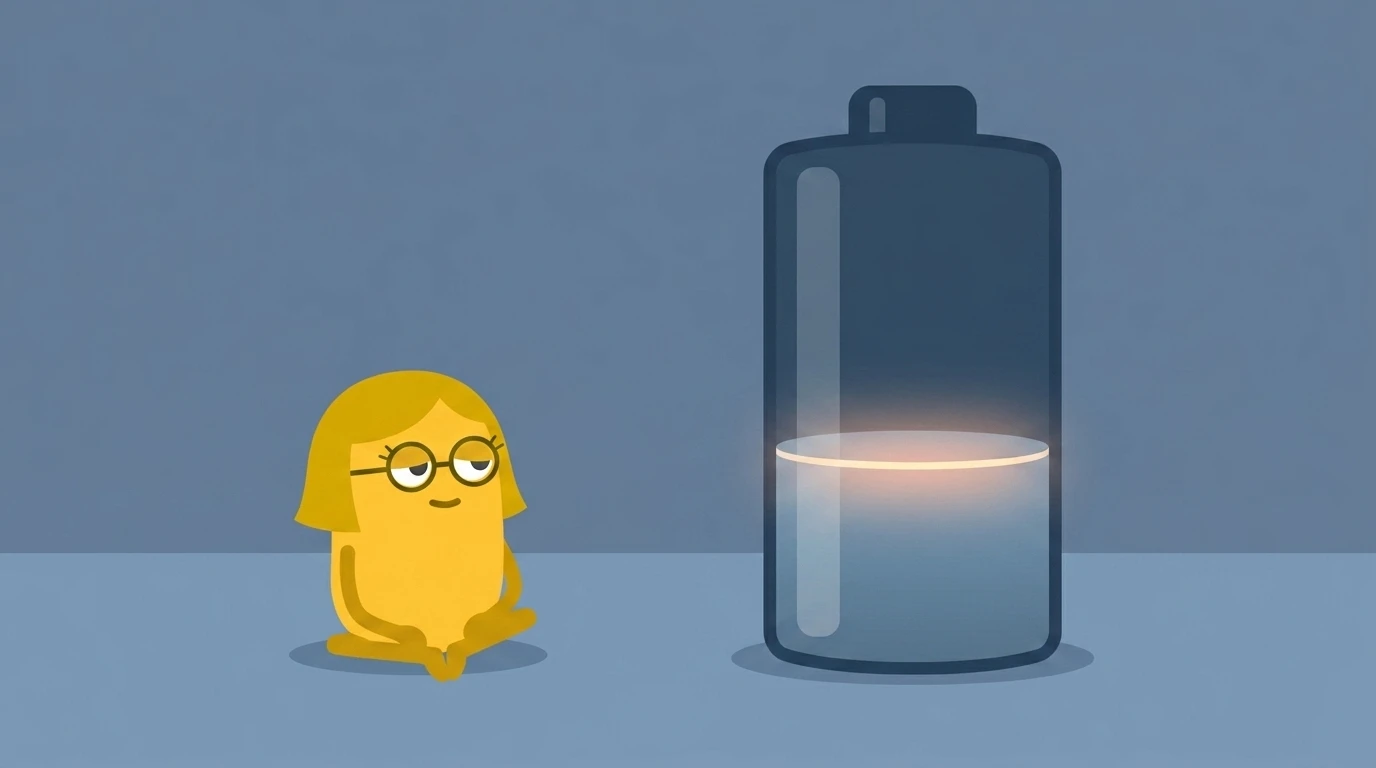
The exhaustion in early recovery isn't a motivation problem, it's a measurable dip in attention and reward response that fades as sleep and the brain's reward system stabilize.

recoveryaddiction recoveryfatiguesleep
Dana KimRead →
Illustration for the article: Whole Person Health vs Traditional Care: What's Different
August 6, 20269 min readHabits & Behavioral Change

Whole Person Health vs Traditional Care: What's Different

Traditional care asks what's wrong and treats it. Whole person health asks what matters to you and builds around it. They aren't rivals — but the differences in question, team, and goal change how care actually feels and works.

whole healthWell-beingchronic painbehavioral change
The GetMotivated.ai TeamRead →
Illustration for the article: The Celebration Technique: Why Emotion Creates Habits
August 5, 20269 min readHabits & Behavioral Change

The Celebration Technique: Why Emotion Creates Habits

BJ Fogg's celebration technique says the fastest way to wire in a habit is to feel a genuine flash of positive emotion the instant you finish it. Emotions create habits — not repetition, not willpower.

habit formationneurosciencebehavioral changedopamine
The GetMotivated.ai TeamRead →
GetMotivated.ai

Behavioral health. Built with intention.

Structured support for ADHD, chronic health, recovery, focus, and long-term change.

Stay in the loop

Research, program launches, and behavioral health insights. Only useful updates.

By joining, you agree to receive emails from GetMotivated.ai. Unsubscribe anytime. See our Privacy Policy.

Explore

  • Browse Plans & Challenges
  • Challenges
  • ADHD Support
  • Health Support
  • Recovery Support
  • Blog
  • Creators
  • Sources
  • Tools
  • How It Works
  • Pricing

Topics

  • Focus
  • Habits
  • Work
  • Learn
  • Health
  • Life

Company

  • About
  • Contact
  • How We Research
  • Our Guarantee
  • Privacy
  • Terms

Work With Us

  • For Organizations
  • For Behavioral Health
  • For Education
  • Careers
  • Affiliates
  • Partners
  • Sponsors
Explore+
  • Browse Plans & Challenges
  • Challenges
  • ADHD Support
  • Health Support
  • Recovery Support
  • Blog
  • Creators
  • Sources
  • Tools
  • How It Works
  • Pricing
Topics+
  • Focus
  • Habits
  • Work
  • Learn
  • Health
  • Life
Company+
  • About
  • Contact
  • How We Research
  • Our Guarantee
  • Privacy
  • Terms
Work With Us+
  • For Organizations
  • For Behavioral Health
  • For Education
  • Careers
  • Affiliates
  • Partners
  • Sponsors

© 2026 GetMotivated.ai. All rights reserved.

PrivacyTerms

Calm structure. Clear next steps. Human accountability.