Why do I have no energy and no motivation right now
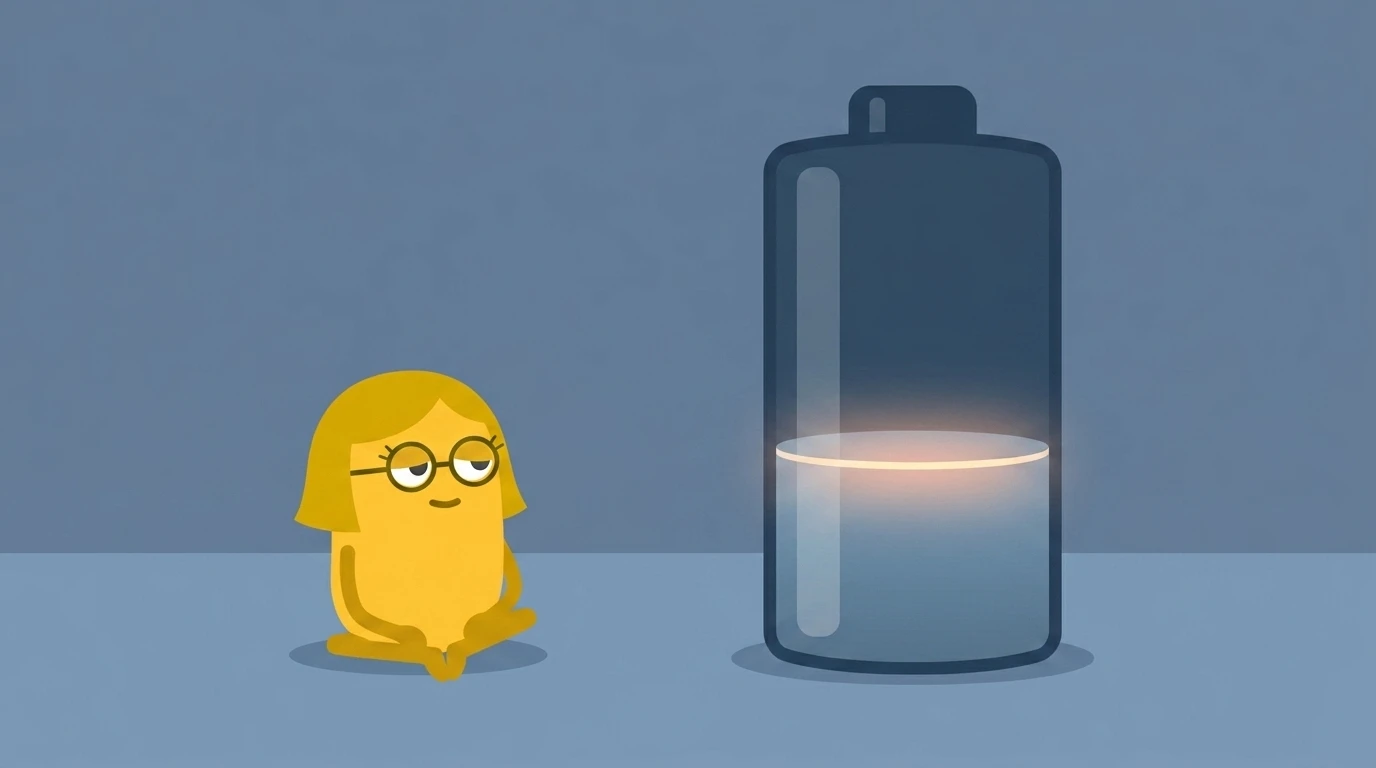
Three things are likely stacking on top of each other: the withdrawal-stage negative affect described above, disrupted sleep (extremely common in early recovery), and everyday mental fatigue from managing cravings all day, which is itself cognitively expensive. Each one alone reduces attention and follow-through. Together, they can make a normal day feel like wading through wet sand. Naming which of the three is loudest on a given day (poor sleep versus craving-management fatigue versus low mood) helps you pick the right fix instead of treating all low-energy days the same way.
Does sleep loss really affect motivation this much
Yes, and the effect is measurable within a single night. In a controlled study, 12 undergraduates were kept awake for 24 hours while 11 others slept normally; both groups completed the same attention and executive-function tasks over three days. After 24 hours without sleep, correct responses on a sustained-attention task dropped from about 99% to roughly 96%, and cognitive inhibition, the ability to hold back an automatic but wrong response, weakened as well. Selective attention showed the largest decline of all the components tested. Early recovery frequently comes with disrupted sleep: racing thoughts, withdrawal-related restlessness, or a schedule thrown off by removing a habit that used to fill certain hours. Even one rough night measurably raises the odds that tomorrow will feel like this.
What mental fatigue actually does to your brain
Mental fatigue does not always show up as visibly clumsy behavior. In one study, thirty healthy adults completed a demanding one-hour arithmetic task, then took an attention test while researchers recorded brain activity. Reaction times only sped up in the well-rested comparison group; the fatigued group showed no such improvement. Accuracy dropped specifically in the networks responsible for alerting and resolving conflict between competing responses, and the brain's electrical signals tied to attention (N1, N2, and P3 amplitudes) weakened measurably. The researchers noted that fatigued participants could still perform tasks at a surface level, propped up by compensatory effort, while the underlying attentional cost was already there. Translated to recovery: you can look functional on a hard day while your actual capacity for follow-through is quietly reduced. That's not failure. That's a measurable, temporary cost.
How long does the no-energy phase of recovery last
There's no fixed clock, because it depends on how much of the fatigue is sleep debt (which resolves in days once sleep stabilizes) versus reward-system recalibration (which resolves on its own slower timeline as the brain relearns how to respond to smaller, healthier rewards). What does shorten the phase is treating both causes directly: protecting sleep and giving the reward system frequent small wins instead of holding out for motivation to return in one piece.
Can exercise help when I have zero motivation to move
Movement is one of the more reliable inputs for a taxed attention and reward system, but the same rule from above applies: start below your normal bar. A five-minute walk counts. The goal on a depleted day isn't a full workout, it's giving the body a signal that low energy doesn't mean stopped, and building a small completed action the reward system can register as a win.
What actually rebuilds motivation during recovery fatigue
Two things do more than any pep talk: consistent sleep and structure that doesn't depend on how you feel that day. A fixed, small daily action, at a set time, removes the decision-making load that a fatigued brain struggles with. Layering in another person, someone else also rebuilding their own routine, adds a second mechanism: checking in with a buddy creates a small external prompt that doesn't rely on your own depleted motivation to fire. Structure plus accountability carries the days your reward system can't carry alone.