ADHD medication for motivation: what it changes and what it does not
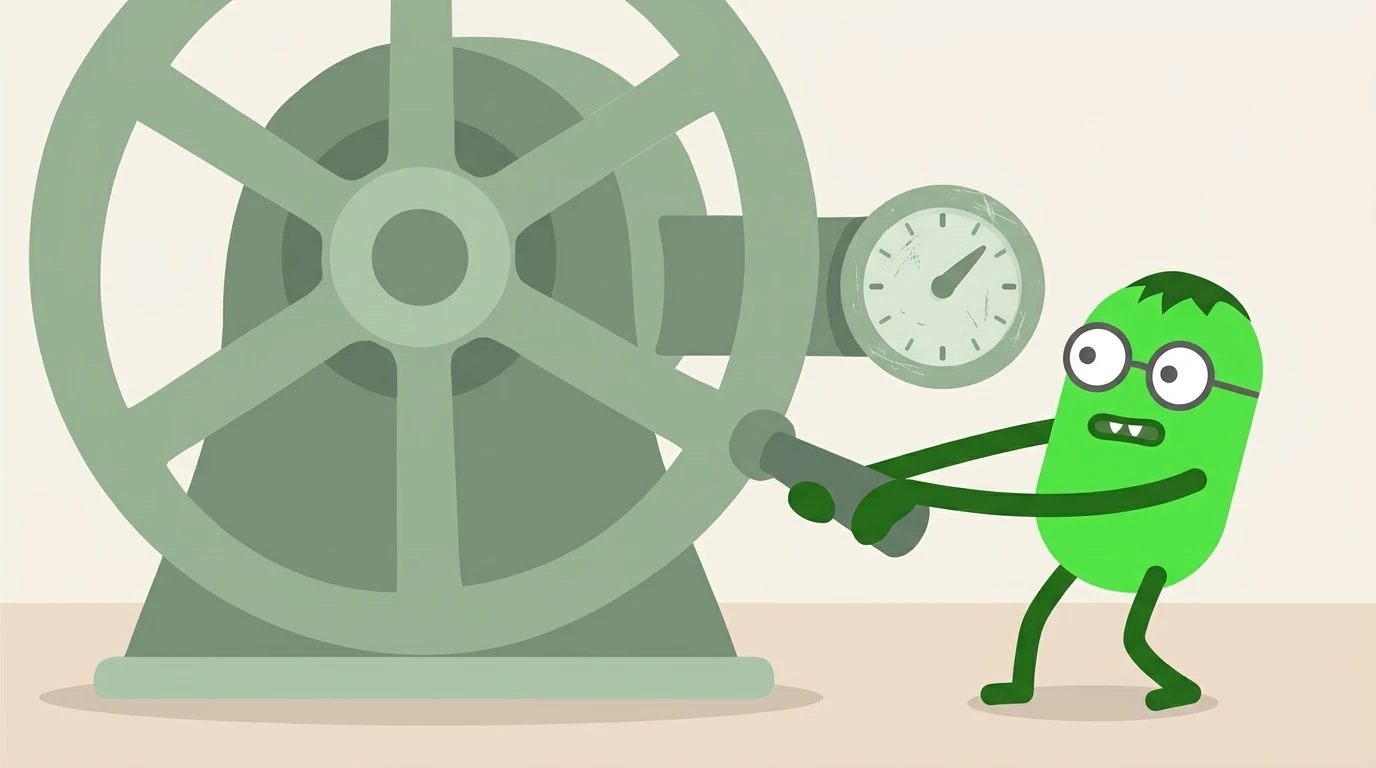
Stimulant medication improves the ability to sustain attention on a task once it is started, and for many adults it narrows the gap between "important" and "interesting" enough to make starting less costly. It does not resolve years of internalized belief that low motivation equals low character, and it does not restructure a job that was never designed around ADHD-friendly demands. Medication changes capacity. It does not automatically change the environment or the self-story built around years of struggling in it.
Why lack of motivation at work is chronic, not occasional
A 2026 qualitative study by Tiffany Payton Jameson and colleagues analyzed 277 workplace-related discussion threads from a large ADHD online community, using reflexive thematic analysis grounded in the Job Demands-Resources framework. The same workplace conditions, meetings, deadlines, disclosure, were described as either draining or workable depending entirely on how they were implemented, not on whether ADHD symptoms were "under control." One theme stood out: employees with ADHD described investing extra, often invisible effort that neurotypical coworkers never had to spend, just to reach the same baseline output. That gap, paid daily and rarely seen, is a major reason the motivation drought feels chronic instead of situational.
The hidden cost of masking, and why it drains motivation further
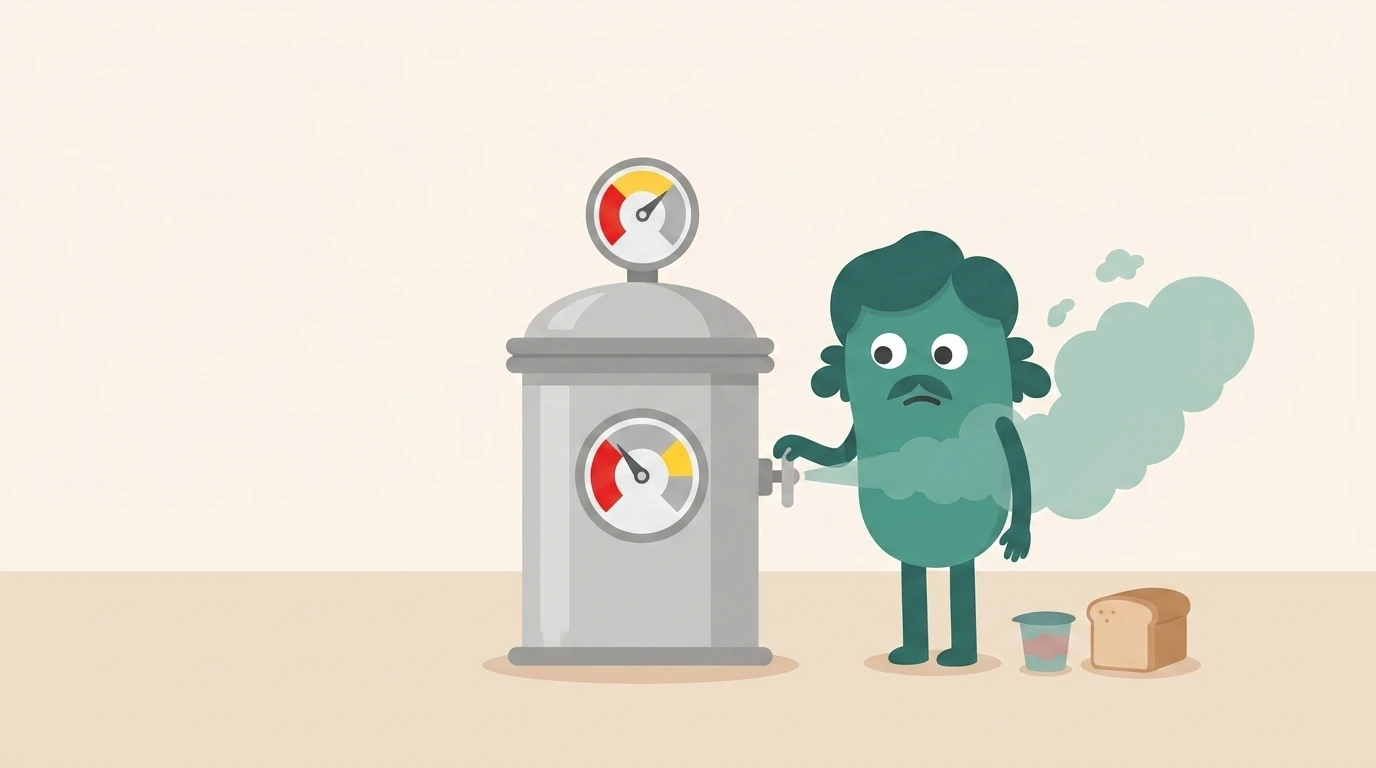
Participants in the Jameson study described maintaining a "worksona," a managed professional persona built to hide ADHD traits from managers and coworkers. One contributor described it directly: masking had become "like my full time job is making other people comfortable." Another described working ten to twelve hours a day just to keep pace, with nothing left over once the workday ended. This kind of sustained overcompensation is exhausting in a way that shows up nowhere on a performance review, and it is a direct drain on the energy that would otherwise go toward starting the next task.
Self-stigma: the part of ADHD lack of motivation nobody names
A systematic review by Thilaanee Krishnamoorthy, Soumitra Das, and Naveen Thomas, covering 17 peer-reviewed studies on stigma in adults with ADHD, found that greater ADHD symptom severity correlated with more internalized stigma, self-directed shame that in turn predicted worse self-esteem and lower quality of life. Self-stigma showed up as self-deprecating labels and outright devaluation of one's own effort. This matters for motivation specifically: a person who has spent years being told, or telling themselves, that low output means laziness starts every task carrying that belief. The extra emotional weight makes starting harder before the task itself even begins.
Why adhd kids lack motivation differently than adults
In children, low motivation usually shows up as visible resistance: refusing homework, needing constant redirection, appearing checked out in class. Adults with ADHD have had years to build coping systems around the same underlying pattern, so the resistance goes underground. It becomes procrastination that looks like distraction, or perfectionism that delays starting indefinitely, or quiet burnout that gets mistaken for disengagement. The mechanism, interest-based attention meeting demands that require sustained importance-based effort, is the same across ages. What changes is how well it is hidden.
What actually offsets a chronic motivation gap
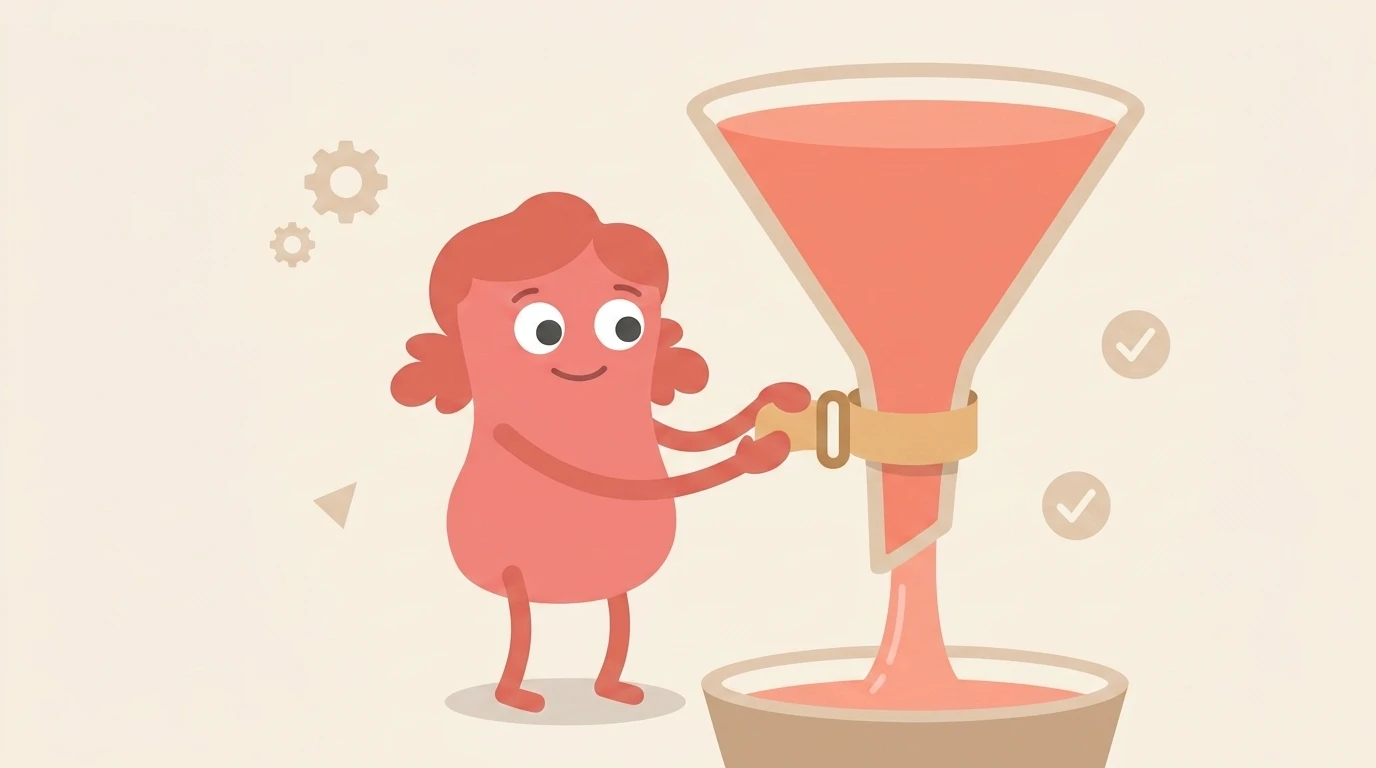
Internal motivation is not reliably available on demand for an ADHD brain, so the most consistent fix is external: structure that removes the decision of when to start, and another person whose presence adds the urgency an internal deadline cannot supply. A structured plan with scheduled check-ins does this by design, replacing "I should feel motivated enough to start" with "it is 6pm, this is what happens now." An accountability buddy adds the social layer SDT identifies as a basic need, relatedness, turning a solitary task into a shared one. Neither requires waiting for motivation to show up first.