Why People Call It Laziness (And Why That's Wrong)
The "lazy" label persists because ADHD paralysis is invisible, inconsistent, and contextual.
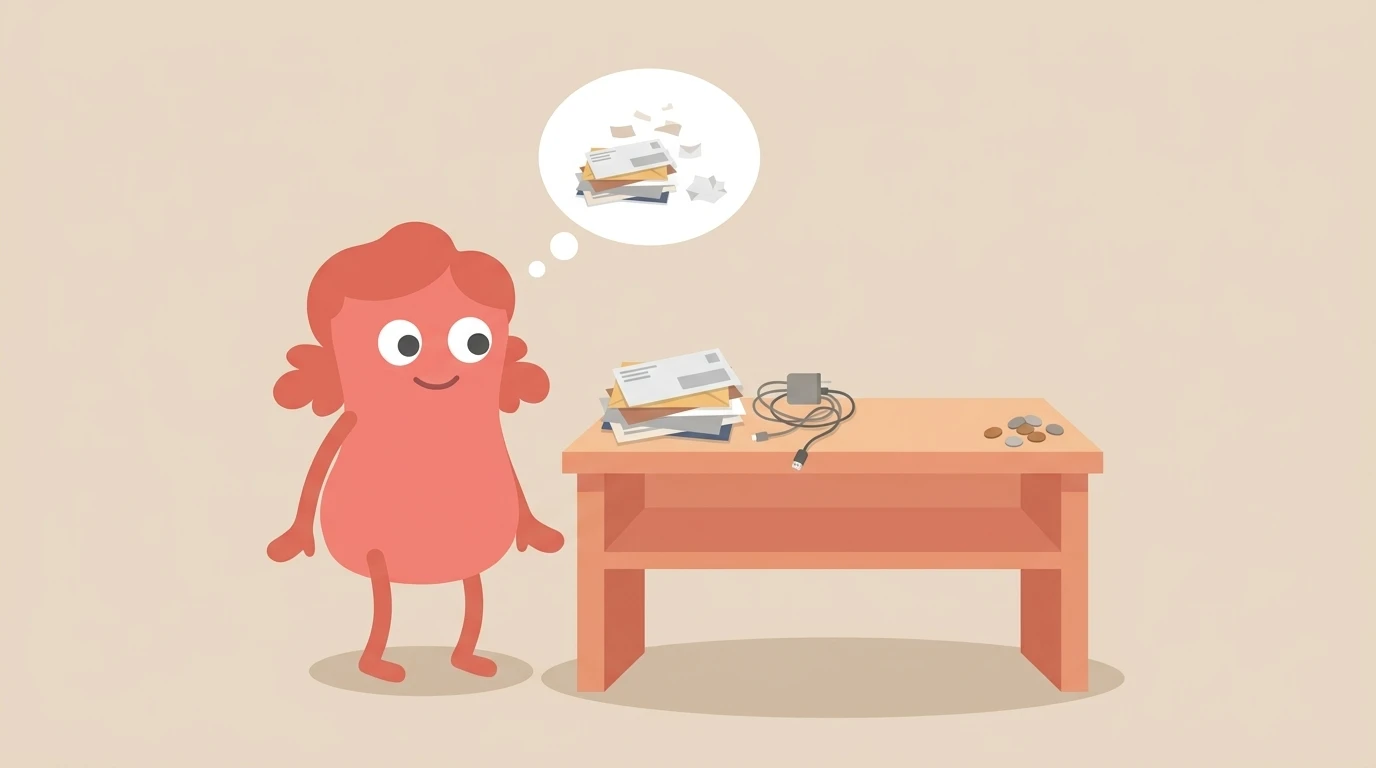
ADHD paralysis does not apply equally across all tasks. The same person who cannot force themselves to send a routine email may spend four consecutive hours in a state of hyperfocus on something that genuinely interests them. This inconsistency gets interpreted as selective effort — proof that the person could do the hard thing if they cared enough.
This interpretation is incorrect.
The factor that determines whether an ADHD brain can activate is not importance, but neurological engagement. Tasks that are novel, high-stakes, intrinsically interesting, or attached to an immediate consequence generate enough dopamine signal to override executive function deficits. Tasks that are routine, ambiguous, overwhelming, or distant in their reward do not — regardless of how much the person wants or needs to complete them.
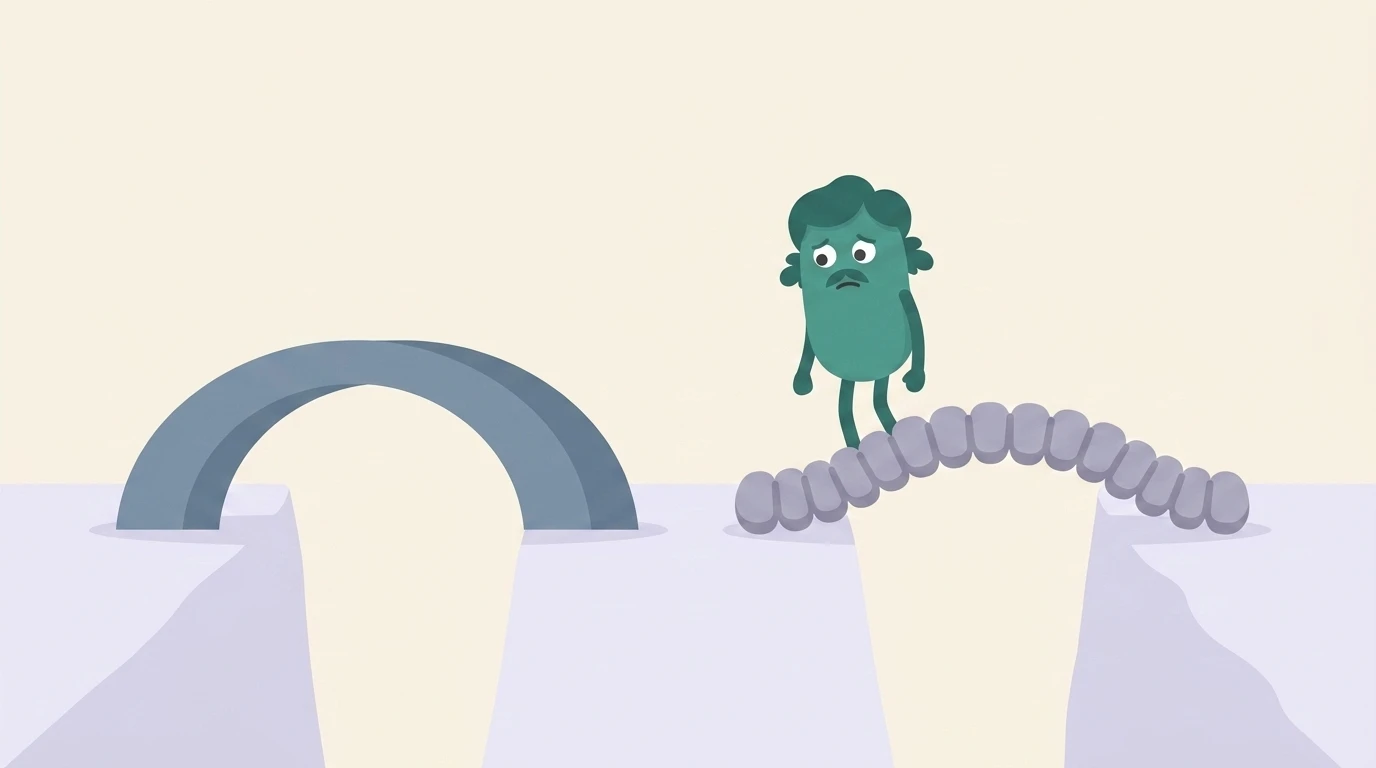
The person who hyperfocuses on a game for four hours but can't write one paragraph isn't lazy. Their brain generates the activation signal for one and not the other. The mechanism is involuntary.
Brown's research identifies shame and self-blame as significant barriers to effective treatment in adults with ADHD. When a person has spent years internalizing the narrative that they are lazy or broken, every episode of paralysis becomes confirmation of a personal character flaw rather than a signal to use a different strategy.
ADHD Paralysis vs Executive Dysfunction: What's the Difference?
This is one of the most searched comparisons on this topic — and the answer is straightforward.
Executive dysfunction is the broad category. It describes the full range of difficulties that arise when the brain's executive control systems — the prefrontal cortex and its connections — don't function as expected. This includes problems with planning, working memory, time perception, emotional regulation, and task initiation.
ADHD paralysis is one specific expression of executive dysfunction: the inability to initiate tasks. It's the moment when the task is clear, the intention is present, and the brain still won't start.
All ADHD paralysis is executive dysfunction. But executive dysfunction encompasses much more — difficulty estimating how long things will take, losing track of tasks mid-stream, emotional dysregulation, difficulty transitioning between activities.
Apps like Talkspace offer therapy for ADHD, which addresses executive dysfunction broadly. Tools like neurolist and similar ADHD planners attempt to build external structure to work around planning deficits. Both are targeting the same underlying problem from different angles.
ADHD Paralysis vs Depression: How to Tell the Difference
These two conditions can look similar from the outside — both involve not doing things. The internal experience and the pattern of impairment differ significantly.
Important: ADHD and depression co-occur frequently. Chronic ADHD paralysis and the shame it produces can trigger depressive episodes. An accurate evaluation requires a clinician experienced with both conditions.
How to Overcome ADHD Paralysis: What the Research Supports
Given the neurological basis of ADHD paralysis, the interventions that work are ones that generate activation signal artificially or reduce the threshold required to begin.
Lower the entry point radically. The standard advice to "just start" fails because the initiation deficit is the problem. What works instead is making the first action so small it barely registers as a task. Not "write the report" — "open the document and type one sentence." Not "clean the kitchen" — "put one thing in the dishwasher." Once in motion, the executive function deficit is less likely to stall continuation than initiation.
Use body doubling. Working in the presence of another person — physically or virtually — is one of the most consistently reported effective tools for ADHD paralysis. The social context provides external activation signal that compensates for low internal signal. It doesn't require the other person to do anything except be present.
Name the task, not the outcome. Decision paralysis often happens because the brain is trying to solve the entire problem before starting. Breaking work into specific, named actions ("send the email to David asking for the spreadsheet") rather than goals ("get organized") removes the cognitive load of figuring out what to do while also trying to do it.
Timebox with an external timer. The ADHD brain responds to immediacy. A 25-minute Pomodoro block with a clear end point generates more activation than an open-ended work session. The built-in endpoint makes the task feel bounded and survivable.
Use physical movement to prime the brain. Brief physical movement before a difficult task can increase dopamine and norepinephrine levels, temporarily improving prefrontal cortex function. Even a 5-minute walk before sitting down to work can measurably shift the activation state.
Address the emotional weight directly. Barkley's research on emotional self-regulation in ADHD shows that strong negative emotion associated with a task — shame, fear, past failure — directly impairs prefrontal cortex function further. Strategies that lower the emotional temperature before attempting a task (talking through it, writing down the fear, reminding yourself that starting doesn't commit you to finishing) reduce the activation barrier.
Key stat: CBT adapted specifically for adult ADHD significantly improves executive function outcomes including task initiation — with effects maintained at 12-month follow-up. — Source: Safren et al., JAMA (2010)
How GetMotivated.ai Is Built for the ADHD Brain
The strategies above are evidence-based. The problem is that they require consistency — and consistency under executive function deficits is the core challenge.
The platform is designed around the structural supports that the ADHD brain actually needs:
Task breakdown by default. Every plan on GMAI is broken into specific, small actions — not goals, not vague intentions. The decision load at any given moment is low. You don't have to figure out what to do; you just have to do the next named step.
Accountability check-ins. Scheduled touchpoints create the mild urgency and social consequence that replace missing internal activation signal. It's the same mechanism as body doubling — an external cue that tells the brain "someone expects something from you right now."
Buddy matching. Paired with a consistent partner who checks in with you, not a forum where your post may or may not get a reply. For people with ADHD, knowing someone expects to hear from you creates a reliable external activation trigger.
AI coaching. Available when you're stuck at 11 PM and need help talking through the next small step without judgment. The AI coaching on GMAI functions as a low-barrier problem-solving partner — specifically useful for the decision paralysis and overwhelm states where ADHD brains most need a concrete prompt to start.
The platform is designed for low-bar entry points. You do not need to have your plan figured out to start. You need a task small enough to do right now, and something to check in with tomorrow.