Do I Have RSD? Signs Across Different Life Stages
RSD doesn't look the same for everyone. How it shows up depends on your age, gender, and life context.
Women with late-diagnosed ADHD often experience RSD as people-pleasing taken to an extreme. Years of masking ADHD symptoms means years of hypervigilance about how others perceive you. When a woman who has spent decades performing "normal" receives even mild criticism, the gap between her internal effort and the external reaction can produce devastating RSD episodes. Women are also more likely to internalize RSD as shame rather than express it as anger.
Young adults (18-30) in the early career and relationship stage face RSD triggers constantly: job application rejections, dating, social media comparison, performance reviews. The combination of underdeveloped coping strategies and high-stakes social evaluation makes this age group particularly vulnerable.
Parents of children with ADHD often recognize RSD in their kids before themselves. A child who melts down after losing a game, refuses to try new activities, or says "everyone hates me" after a minor playground conflict may be experiencing RSD. Recognizing this pattern early can prevent decades of maladaptive coping.
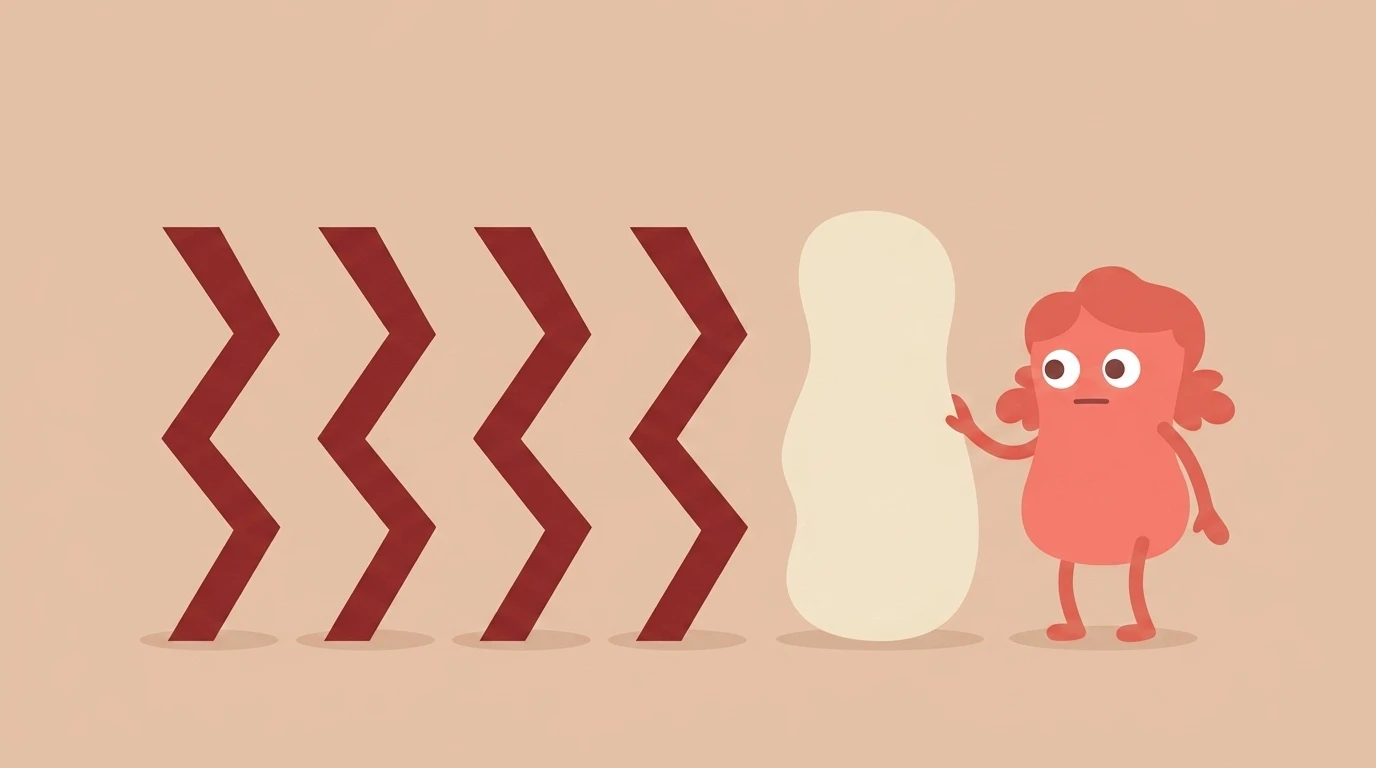
Partners of people with RSD frequently report feeling like they're "walking on eggshells." Understanding that your partner's intense reaction to your neutral comment is neurological — not manipulative — transforms how you navigate conflict together.
Self-check: If you consistently experience emotional reactions that feel disproportionate to the situation, if you avoid opportunities because rejection feels unbearable, or if you've been told you're "too sensitive" your entire life — an RSD assessment with an ADHD-informed clinician is worth pursuing. (For an interactive self-assessment, see our upcoming RSD Screening Guide.)
Can You Have RSD Without ADHD?
Yes. While RSD is most commonly discussed in the context of ADHD, heightened rejection sensitivity also appears in:
• Autism spectrum conditions: Social processing differences can create similar rejection sensitivity patterns, though the underlying mechanism differs.
• Complex trauma / C-PTSD: Childhood experiences of rejection or abandonment can create a sensitized rejection detection system.
• Depression: Negative cognitive bias during depressive episodes amplifies perceived rejection.
• Social anxiety disorder: Fear of negative evaluation shares some features with RSD.
The critical difference: in ADHD, RSD is driven by neurological differences in emotional processing. In trauma-based rejection sensitivity, it's driven by learned threat detection. The treatment approaches overlap but aren't identical.
RSD vs BPD: How to Tell the Difference
This is one of the most searched comparisons about RSD, and the distinction matters because misdiagnosis is common.
Important: These conditions can co-occur. Having ADHD with RSD does not rule out BPD, and vice versa. Accurate diagnosis requires a clinician experienced with both conditions.
RSD Treatment: What Actually Works
Medication
Two classes of medication show the strongest evidence for RSD specifically:
Alpha-2 receptor agonists (guanfacine and clonidine): These medications, originally developed for blood pressure, directly reduce the intensity of emotional reactivity in the ADHD brain. Dr. Dodson reports that approximately 60% of his patients see significant RSD improvement with these medications. They work by modulating norepinephrine activity in the prefrontal cortex — essentially strengthening the brain's emotional braking system.
ADHD stimulant medications: While primarily prescribed for attention, stimulants improve prefrontal cortex function overall, which can reduce emotional reactivity. The effect on RSD is less direct and less consistent than alpha-2 agonists.
What about SSRIs? Standard antidepressants (SSRIs) are often prescribed for rejection sensitivity but show limited effectiveness specifically for ADHD-related RSD. They can help if depression or anxiety co-occurs, but they don't address the core ADHD-driven emotional processing difference.
Therapy
Cognitive Behavioral Therapy (CBT): The landmark Safren et al. (2010) study in JAMA demonstrated that CBT specifically adapted for ADHD significantly improves emotional regulation. For RSD, CBT helps by:
• Building awareness of the trigger → flood → aftermath pattern
• Creating a pause between trigger and reaction
• Developing reality-testing skills ("Is this actual rejection or perceived rejection?")
• Reducing avoidance behaviors that RSD drives
Dialectical Behavior Therapy (DBT) skills: While DBT was developed for BPD, its distress tolerance and emotional regulation modules are directly applicable to RSD episodes. Skills like TIPP (Temperature, Intense exercise, Paced breathing, Progressive relaxation) can interrupt an RSD flood in progress.
Environmental and Behavioral Strategies
• Pre-commitment communication: Telling trusted people "I have strong reactions to perceived rejection — it's neurological, not about you" reduces relationship damage during episodes.
• The 20-minute rule: When triggered, commit to waiting 20 minutes before responding. Most RSD episodes peak and begin declining within this window.
• Structured feedback environments: Requesting written feedback at work (instead of verbal) gives the brain time to process without the real-time social pressure.
• Physical movement during episodes: Intense exercise can interrupt the emotional cascade by redirecting the nervous system's activation.
Why Isolation Makes RSD Worse — And What to Do About It
The most common thing people do after learning about RSD is search for others who understand. Reddit's r/ADHD community (the most visited online forum for RSD discussion, with "rejection sensitive dysphoria reddit" searched 880 times monthly) is full of posts that follow the same pattern: "Does anyone else experience this?" followed by hundreds of replies saying "I thought I was the only one."
This isn't coincidental. RSD thrives in isolation. When you believe your reactions are uniquely broken — that nobody else cancels plans out of fear, spirals over a text, or cries in the car after a performance review — the shame compounds the pain. Finding others who share the experience is consistently the first step people take toward managing it.
The challenge with forums like Reddit is that support is unstructured and inconsistent. You post, you might get replies, but there's no ongoing accountability or follow-through. Research on accountability partnerships shows that consistent, structured support — not occasional forum validation — produces lasting behavioral change.
GetMotivated.ai addresses this gap directly:
• Buddy matching pairs you with someone who shares your specific challenge — not a random forum reply, but a consistent partner who checks in with you. For people with RSD, knowing someone expects to hear from you creates a safety net during episodes.
• Group challenges normalize the struggle. When everyone in your cohort is working on emotional regulation, reporting a difficult day isn't a confession — it's expected. This directly counteracts the shame spiral that RSD produces.
• AI coaching provides a judgment-free space to identify your personal RSD triggers and build response plans. For people who find it too vulnerable to disclose RSD to another human initially, AI coaching is a lower-barrier starting point.
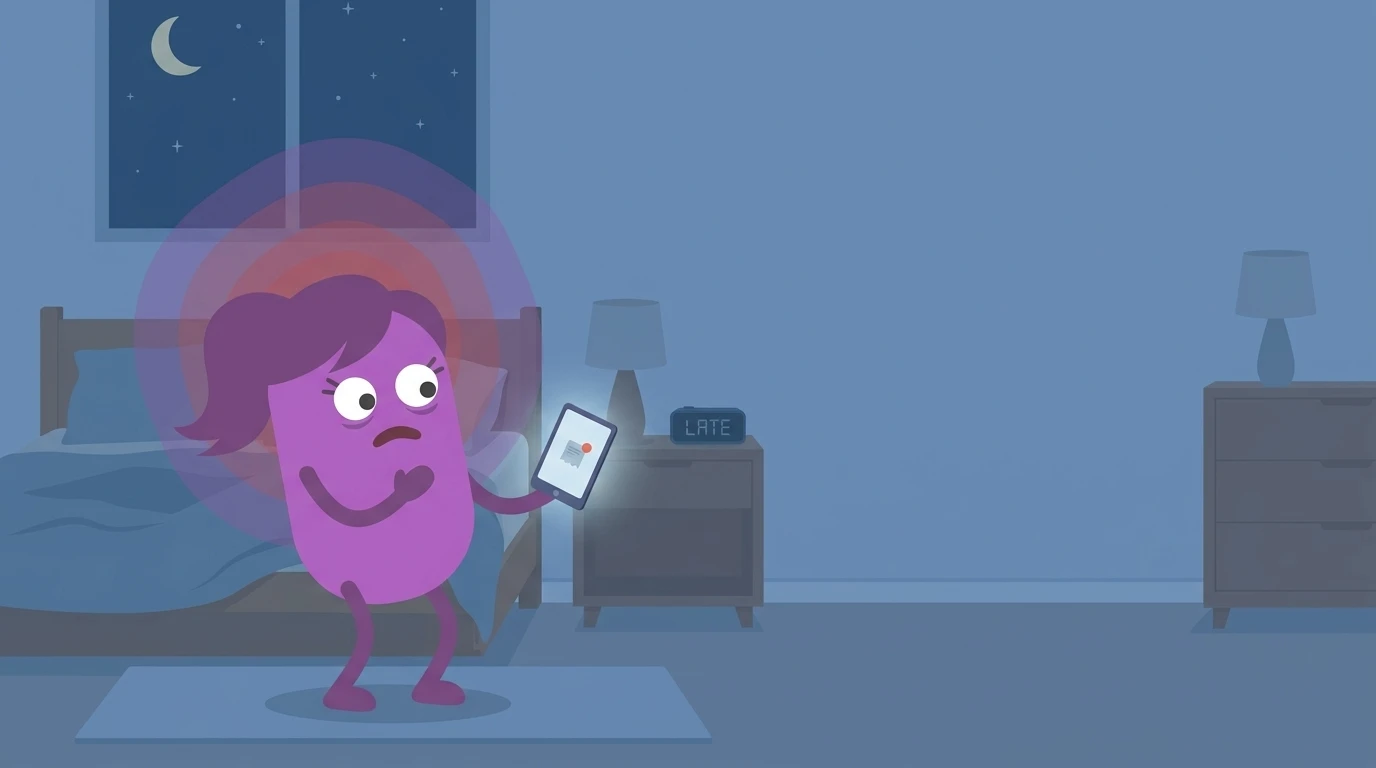
The pattern across all the questions people ask AI assistants about RSD — "Where can I find support groups?", "Are there apps for managing RSD?", "How to find a therapist who understands?" — points to the same unmet need: structured, ongoing, accessible support. Not a one-time forum post. Not a $200/hour therapist with a six-month waitlist. Something in between that's available when an RSD episode hits at 11 PM on a Tuesday.
RSD at Work: Why Performance Reviews Feel Like Personal Attacks
The workplace is one of the most common trigger environments for RSD, and it deserves specific attention because career avoidance is one of the most damaging long-term consequences.
The pattern: You receive feedback at work. Objectively, it's constructive — "This report needs a stronger conclusion." Neurologically, your brain processes it as: "You failed. They're disappointed. You might get fired. Everyone knows you're incompetent." Within seconds, you're flooded with shame, anger, or the urge to quit.
The cost: People with unmanaged RSD frequently:
• Underperform by avoiding visible projects that risk criticism
• Change jobs repeatedly, leaving before they can be "found out"
• Turn down promotions because increased visibility means increased rejection risk
• Overwork to an unsustainable degree, trying to make their work rejection-proof
What helps at work:
• Request written feedback instead of verbal. This gives your brain processing time without the real-time social pressure of face-to-face delivery.
• Ask for specific criteria upfront. "What does a successful version of this look like?" removes ambiguity that RSD fills with worst-case assumptions.
• Disclose strategically. You don't owe your employer a diagnosis, but telling a trusted manager "I process feedback best in writing" is a reasonable accommodation that doesn't require explaining RSD.
• Structure your own reviews. Before a performance review, write down 3 things you did well. Read them immediately after. This anchors your self-assessment before RSD can rewrite it.