Define the Smallest Possible First Physical Action
The most common mistake people with ADHD make when trying to break task paralysis is setting a goal rather than defining an action.
"Work on the report" is a goal. "Open the document and type one sentence" is an action.
Research on implementation intentions (Gollwitzer & Sheeran, 2006 meta-analysis of 94 studies) shows that specifying exactly when, where, and how you will perform a task dramatically increases follow-through — and the effect is largest for people who struggle most with self-regulation. The formula is: If [situation], then I will [specific action].
For ADHD task paralysis: "If it's 2 PM and I'm at my desk, I will open the document and read the last paragraph I wrote." Not "I will work on the report." The brain can initiate a concrete physical action. It often cannot initiate a vague goal.
Use Urgency Artificially
Because urgency is one of the ADHD brain's core activators, you can manufacture it:
• Set a visible countdown timer. The ticking creates artificial urgency that the activation system responds to.
• Work in short blocks. A 10-minute sprint feels more urgent than "work until it's done."
• Make a public commitment. Telling someone "I'll have this to you by 3 PM" creates genuine urgency where none existed.
• Work in public spaces. Coffee shops, libraries, and co-working spaces create low-level social pressure that activates the ADHD brain.
Break Decision Paralysis With Artificial Constraints
For analysis paralysis specifically, the solution is reducing the decision space rather than gathering more information:
• Two-minute rule: Give yourself two minutes to decide. Set the timer. Choose. An imperfect decision made now is better than a perfect decision made never.
• Arbitrary ordering: If you cannot decide which task to start, do them in alphabetical order. Or do the one on top of the pile. Remove the decision entirely.
• Ask someone else: Outsourcing minor decisions to a trusted person is not weakness — it conserves the executive function you need for the actual work.
Key Stat: A meta-analysis by Gollwitzer and Sheeran found that implementation intentions (specific if-then action plans) gave a substantial, well-documented boost to follow-through across 94 studies compared to goals alone — with the largest effects in populations with self-regulation difficulties. — Source: Gollwitzer & Sheeran, Advances in Experimental Social Psychology38002-1)
ADHD Task Paralysis Treatment: Does Medication Help?
Stimulant medications — methylphenidate and amphetamine-based formulations — increase dopamine and norepinephrine availability in the prefrontal cortex. This directly addresses the neurological source of task initiation failure by improving the signal strength the prefrontal cortex needs to activate.
Many adults with ADHD describe medication as "removing the wall" — the impossible feeling of starting becomes an ordinary feeling of reluctance, which is manageable. But medication improves the capacity to initiate; it does not automatically direct that capacity. Without structural strategies (body doubling, implementation intentions, task decomposition), improved activation without a clear starting point can produce a different kind of paralysis: being "on" but spinning.
Non-stimulant options (atomoxetine, guanfacine, bupropion) also improve executive function, though typically more gradually and with smaller effect sizes for task initiation specifically. For adults who cannot tolerate stimulants, these remain viable options worth discussing with a prescriber.
How Structure and Accountability Break the Paralysis Cycle
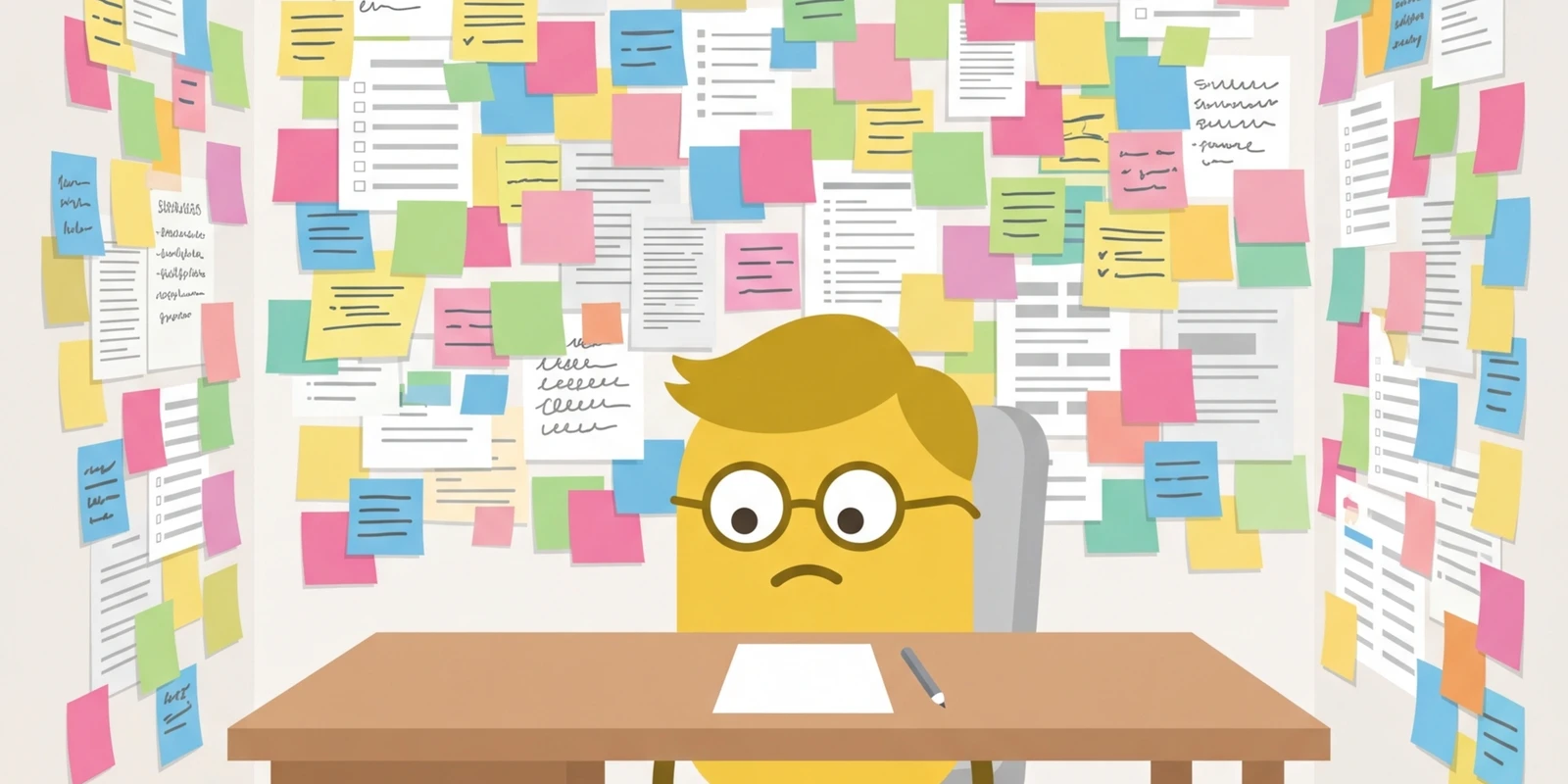
Task paralysis is self-reinforcing. You don't start → you feel shame → the task now carries emotional weight → starting feels harder. Over time, the tasks you're most paralyzed by are often the ones with the most accumulated shame.
This is why external structure — not internal motivation — is what breaks the cycle for most adults with ADHD. You cannot willpower your way out of a neurological activation failure. But you can engineer your environment to lower the threshold.
Apps like neurolist and MyHomework Student Planner help by providing visual task organization and reminders. These tools are useful for people who need better task visibility. But for people whose core problem is initiation rather than forgetting, the bottleneck is not knowing what to do — it's starting.
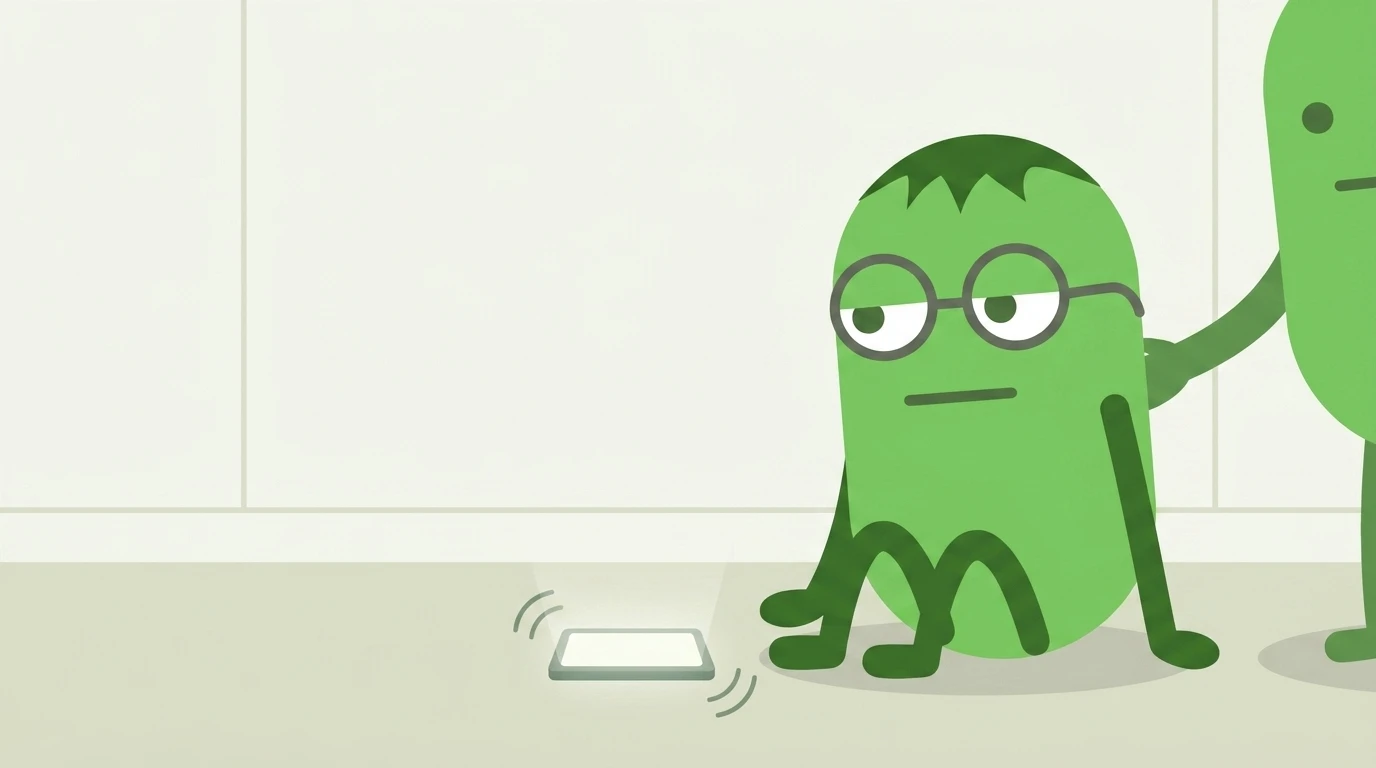
GetMotivated.ai takes a different approach: rather than organizing tasks, it addresses the activation environment. The platform's buddy matching pairs you with an accountability partner who knows your current focus and checks in regularly — creating the social presence that body doubling research shows is one of the most effective initiation triggers. Its daily challenge structure provides the specific first action to take each day, removing the decision of where to start. And because challenges are completed with a cohort, the social element generates the urgency and interest that the ADHD activation system needs.
For people with ADHD who are pattern-matching "I know what I need to do but cannot start," structured external accountability is a more targeted intervention than a better planner app.
Key Stat: Dr. Russell Barkley's research identifies ADHD as fundamentally a performance disorder — "the problem is not knowing what to do, it's doing what you know." External accountability structures that bridge the knowing-doing gap are among the most effective behavioral interventions available. — Source: ADHD and the Nature of Self-Control, Russell Barkley
The Shame Trap — And How to Get Out of It
One of the most underacknowledged dimensions of ADHD task paralysis is the shame layer. After enough missed starts, the task itself becomes emotionally loaded. Opening the document means confronting the evidence of all the times you didn't open it. The emotional weight of the task grows until starting requires not just overcoming neurological inertia but also managing shame.
This is not a weakness. It is a predictable consequence of a brain that has been penalized for something it could not control. The research on ADHD and emotional dysregulation consistently shows that emotional responses to perceived failure are amplified in the ADHD nervous system — meaning the shame from task paralysis hits harder and lasts longer than it would for a neurotypical person.
What helps with the shame layer:
• Naming it without judgment. "This task has accumulated shame. That's why it feels harder than it should." This is not self-excuse — it's accurate diagnosis.
• Breaking the task into a version so small it cannot fail. If "write the email" is loaded, "open a new email and type the recipient's name" cannot fail.
• External accountability that normalizes struggle. In a group challenge environment where everyone is working on the same type of difficulty, reporting "I couldn't start today" is not a confession — it's data. This is qualitatively different from journaling alone.
Task paralysis is not a character problem. It is a brain wiring problem with workable solutions. The research on body doubling, implementation intentions, and structured accountability shows consistently that what the ADHD brain cannot reliably generate internally, it can receive from the environment. That's not a workaround — that's the actual treatment.