June 30, 20267 min read

Dopamine Detox: Reset Your Brain Without the Hype

Dopamine detox is trending, but the science shows that total abstinence often rebounds. Instead, targeted pauses paired with replacement habits retrain reward circuits and restore natural drive.

GetMotivated.ai Team

Last reviewed: August 2026

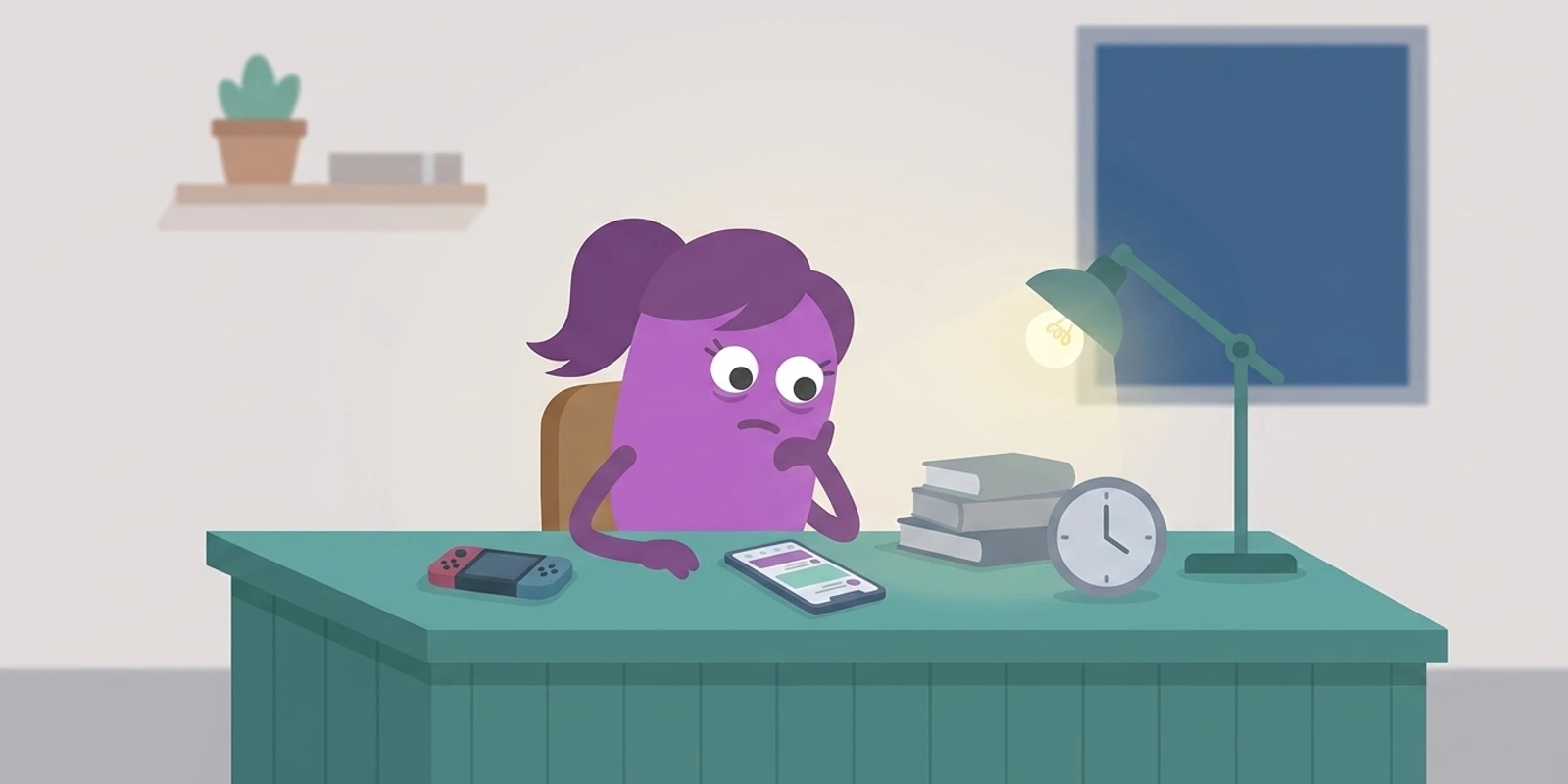
Illustration for the article: Dopamine Detox: Reset Your Brain Without the Hype

A dopamine detox sounds like locking your phone in a safe and staring at the wall for a week. Social media clips promise overnight miracles, yet most people relapse within days, feeling worse than before. The real science shows that the brain does not reward total deprivation; it rewards balanced exposure paired with meaningful effort. A short, structured pause from overstimulating inputs, followed by purposeful re-entry, is enough to normalize dopamine signaling and restore natural motivation (Lembke 2021).

The key insight is that dopamine is not a “pleasure chemical” alone. It encodes prediction error, the gap between what you expect and what you get. When every swipe, bite, or click delivers a jackpot, the baseline drifts upward and ordinary rewards feel dull. A strategic reset re-opens that gap, making everyday joys feel vivid again. Below you will learn why the reward system gets hijacked, how to run a safe 48-hour reset, what to do instead of scrolling, and how to avoid the common traps that send people back to square one.

What a Dopamine Detox Really Means

Beyond the Buzzword

The term “dopamine detox” was popularized by Silicon Valley coaches who recommended week-long fasts from anything fun. Neuroscientists cringe because dopamine never drops to zero; the molecule is essential for movement and mood. What actually changes is receptor sensitivity and baseline firing rate. A more accurate label would be “reward-system recalibration,” but that is hard to fit in a hashtag.

The Pleasure-Pain Balance

Anna Lembke (Dopamine Nation) describes a seesaw: every pleasurable stimulus tips it toward pain, and the brain auto-corrects with a rebound. Repeated tipping leads to chronic dysphoria, craving, and tolerance. A short break lets the seesaw level out, so moderate inputs feel rewarding again.

Clinical Warnings

Extreme fasting from pleasure can trigger withdrawal-like symptoms: irritability, insomnia, and intrusive thoughts. For people with ADHD or prior addiction, these swings can mimic relapse cues and should be supervised by a clinician (Melemis 2015).

Why Your Reward System Gets Hijacked

Supernormal Stimuli

Processed foods, internet porn, and algorithmic feeds are engineered to exceed ancestral reward levels by orders of magnitude. Kenny (2011) showed that high-fat, high-sugar snacks down-regulate D2 receptors in animal models, the same pattern seen in drug dependency. Gary Wilson (Your Brain on Porn) extended this concept to sexual content, noting that endless novelty keeps dopamine elevated far longer than natural mating.

Variable Ratio Reinforcement

Slot machines and social media likes both use unpredictable rewards. This schedule generates the highest rate of behavior, and the anticipation spike is larger than the payoff itself. Over time, the cue alone (notification sound) releases dopamine, driving compulsive checking (Price 2018).

ADHD Amplifies the Loop

Adults with ADHD already show blunted dopamine signaling in the prefrontal cortex (Brown 2014). When supernormal stimuli are available, the gap between baseline and peak is even wider, making ordinary tasks feel impossible. This explains why people report “I can’t read a page without TikTok.”

The 48-Hour Reset Protocol

Preparation (Day -2)

  1. Audit triggers: List your top three high-dopamine inputs (e.g., reels, sports betting, sugary snacks).
  2. Set hard stops: Use app timers or physical barriers (router off, snacks out of house).
  3. Schedule dopamine-safe activities: walking, stretching, journaling, coffee with a friend.

Related Challenges & Plans

Pause (Day 0-1)

  • Morning: 20-minute brisk walk in daylight. Light exercise raises dopamine receptor availability without overstimulation (Weir 2011).
  • Midday boredom wave: Expect it at 2-3 p.m. Sit with the discomfort for 15 minutes; label emotions aloud (“I feel restless”). This mindfulness act recruits prefrontal control circuits (Linehan 2014).
  • Evening wind-down: No screens 60 minutes before bed. Read paper fiction or take a warm shower. Sleep loss itself blunts dopamine, so protect 7-9 hours (Ilardi 2009).

Re-entry (Day 2+)

Reintroduce one previously avoided stimulus on a timer. Example: 10 minutes of social media at 7 p.m. followed immediately by an offline task. Pairing the stimulus with a “stop cue” keeps the seesaw balanced.

Replacement Habits That Rebuild Dopamine Tone

Effort-Based Rewards

The brain values what costs effort. Choose activities that require mild challenge and deliver intrinsic payoff:

  • Exercise circuits: 3×10-minute body-weight sets spaced through the day. Ratey (2008) links this pattern to BDNF release and lasting mood lift.
  • Cooking from scratch: Chopping, seasoning, and plating engage multiple senses, giving a richer reward than ultra-processed snacks (Kenny 2011).
  • Co-op gaming: Replace solo mobile games with board games or Couch-Co-op. Social interaction elevates oxytocin, which modulates dopamine release.

Micro-Breaks for ADHD Brains

Short, scheduled pauses every 90 minutes prevent hyperfocus crashes. Use a 5-minute timer to stretch, hydrate, or step outside. Brown (Smart but Stuck) notes that external time cues compensate for weak internal clocks in ADHD adults.

Self-Compassion as Maintenance

When slips happen, harsh self-talk spikes cortisol and drives further craving. Neff (2011) found that brief self-kindness exercises restore prefrontal control and reduce shame-based relapse. Try a 30-second script: “I’m struggling right now. Struggle is part of being human. May I give myself the care I need.”

Common Pitfalls and How to Avoid Them

The All-or-Nothing Trap

Declaring “I will never game again” creates a moral binary. One lapse becomes catastrophic. Instead, adopt Melemis’ Five Rules of Recovery: change your life, be completely honest, ask for help, practice self-care, and don’t bend the rules. These rules normalize lapses as data, not failure.

Substituting One Compulsion for Another

Some people quit porn and begin marathon podcast binges. The medium changes, but the neural pattern remains. Track total daily screen time for one week; if it climbs above pre-detox levels, tighten boundaries.

Ignoring Environment

Willpower is context-dependent. Store devices outside the bedroom, keep healthy snacks visible, and join a recovery group (SAA 2024). External scaffolds reduce the cognitive load on an already taxed executive system.

Overriding Medical Advice

If you have bipolar disorder, substance use history, or severe ADHD, consult a psychiatrist before drastic changes. Abrupt dopamine shifts can destabilize mood or trigger mania.

FAQ

Does a dopamine detox mean no fun at all? No. The goal is to reduce hyper-stimulating inputs long enough for baseline sensitivity to recover, then reintroduce moderate pleasures intentionally.

How long should a dopamine detox last? Most people benefit from a 48-hour pause followed by structured re-entry. Longer fasts increase rebound risk.

Can exercise speed up the reset? Yes. Moderate aerobic exercise raises dopamine receptor availability and is linked to improved mood within one week.

Will I feel worse before I feel better? Days 1-3 often include irritability and boredom. These signals fade as natural reward tone returns.

Is this safe for people in recovery from substance use? Consult a clinician first. For many, the same principles apply, but medical supervision is advised when prior addiction is present.

Explore GetMotivated.AI to find behavior tools that match your situation.

Next time you search, our newest guide shows up.

Sources

Dopamine Nation: Finding Balance in the Age of IndulgenceBook
Anna Lembke
A compelling look at the neuroscience of addiction and the "pleasure-pain balance," offering strategies to reclaim focus and moderation in a world of instant gratification.
Dopamine D2 receptors in addiction-like reward dysfunction and compulsive eating in obese ratsResearch
Paul M Johnson & Paul J Kenny
Foundational research on dopamine receptor downregulation from repeated reward stimulation — the same mechanism driving porn escalation
The Exercise EffectArticle
apa.org · Kirsten Weir
This 2011 APA Monitor article examines the significant impact of physical exercise on mental health, mood, and cognitive function.
Relapse Prevention and the Five Rules of Recovery - PubMedArticle
pubmed.ncbi.nlm.nih.gov · Steven M. Melemis
This review defines relapse as a gradual process with specific stages and outlines five fundamental rules for successful long-term recovery, including self-care and lifestyle changes.
The Depression CureBook
Stephen Ilardi
Dr. Stephen Ilardi presents a comprehensive lifestyle intervention program aimed at reversing depression by realigning modern habits with ancestral biological needs.
Spark: The Revolutionary New Science of Exercise and the BrainBook
John J. Ratey & Eric Hagerman
This book explores how aerobic exercise and complex movement stimulate neuroplasticity and the production of BDNF to optimize cognitive performance and emotional health.
Controlling Your Dopamine For Motivation, Focus & SatisfactionVideo
Andrew Huberman
Stanford professor Andrew Huberman explains the neurobiology of dopamine and its role in driving motivation, desire, and addiction. This episode offers practical protocols like cold water therapy to sustain energy and focus while avoiding the pitfalls of dopamine depletion.

Topics

AI-ready summary

A dopamine detox is not total abstinence from pleasure. Instead, brief, planned pauses from overstimulating inputs combined with purposeful, moderate rewards restore natural motivation circuits. Evidence shows that 48-hour resets, exercise, and social connection renormalize dopamine tone without rebound.

Key takeaways

  • Extreme deprivation spikes craving; short, structured pauses are safer and more effective.
  • Replace high-dopamine inputs with moderate, effort-based rewards to restore baseline sensitivity.
  • Track mood and focus for two weeks; improvements usually appear between days 4-7.

FAQs

Does a dopamine detox mean no fun at all?

No. The goal is to reduce hyper-stimulating inputs long enough for baseline sensitivity to recover, then reintroduce moderate pleasures intentionally.

How long should a dopamine detox last?

Most people benefit from a 48-hour pause followed by structured re-entry. Longer fasts increase rebound risk.

Can exercise speed up the reset?

Yes. Moderate aerobic exercise raises dopamine receptor availability and is linked to improved mood within one week.

Will I feel worse before I feel better?

Days 1-3 often include irritability and boredom. These signals fade as natural reward tone returns.

Is this safe for people in recovery from substance use?

Consult a clinician first. For many, the same principles apply, but medical supervision is advised when prior addiction is present.

Related Challenges & Plans

Keep reading